
Paper as a Quietly Radical Invention

Paper is so familiar that we sometimes forget how radical it is. It is thin, quiet, inexpensive, portable, foldable, printable, writable, cuttable, burnable, recyclable, and beautiful. It can carry a love letter, a law, a prayer, a protest, a painting, a map, a receipt, a photograph, a book, a package, a pattern, a seed packet, or a secret. Long before screens became our daily interface, paper was the great human interface: a technology for memory, imagination, trade, art, and connection.
Related Article: What is a Snail Mail Club and Why is it So Popular Now
Before Paper: The Search for a Better Surface

Before true paper, people recorded information on clay tablets, papyrus, parchment, bamboo, silk, stone, and wood. Each material had strengths, but many were heavy, costly, fragile, or difficult to produce at scale. Paper changed that. The origins of papermaking are traced to China, with ancient fragments dating as far back as the second century BCE, while the court official Cai Lun is traditionally credited with formalizing a papermaking process around 105 CE. Early paper was made from humble materials such as bark, hemp waste, old rags, and fishing nets — a transformation of scraps into civilization’s most important surface.
Turning Fiber Into Thought

That is one of paper’s first miracles: it turns fiber into thought. Plant matter is broken down, suspended, lifted, pressed, dried, and made into a sheet. From that sheet, almost anything can begin. Paper made knowledge lighter. It allowed records to travel farther, letters to become more common, books to multiply, and ideas to leave the body and survive beyond a single voice.
Paper as a Technology of Civilization

As a technology, paper did not merely preserve culture; it accelerated it. It gave governments a way to administer, merchants a way to account, scientists a way to sketch discoveries, artists a way to study form, and ordinary people a way to correspond. A sheet of paper could become a contract, a currency note, a newspaper, a passport, a recipe, a schoolbook, a birth certificate, or a poem. It made the invisible visible: a debt, a dream, a border, a melody, a memory.

The Creative Power of Paper

Creatively, paper may be the most democratic material ever invented. It asks for very little before becoming something else. Fold it, and it becomes origami. Cut it, and it becomes lace, stencil, silhouette, collage, or sculpture. Layer it, and it becomes papier-mâché, relief, shadow box, or installation. Print on it, and it becomes poster, invitation, zine, magazine, label, wrapping, or artwork. Bind it, and it becomes a book. Mail it, and it becomes a gesture.
Why Paper Feels Personal

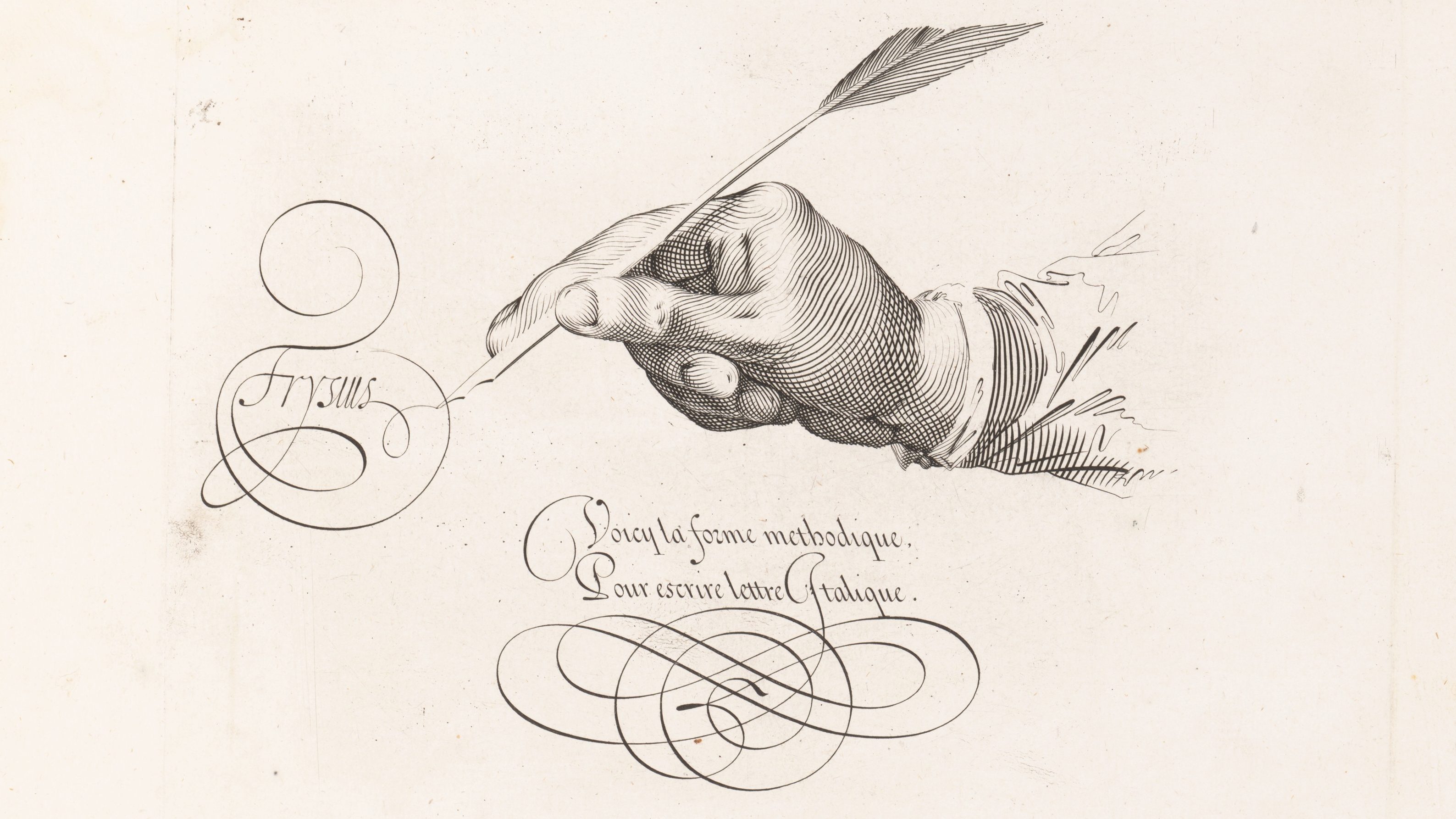
Paper is also powerful because it slows us down. A handwritten note feels different from a text because the body is present in it: the pressure of the pen, the angle of the letters, the small imperfections of speed and mood. Printed paper can make an idea feel ceremonial. A letter can turn ordinary words into an object worth keeping. A postcard can make distance feel intimate. A paper envelope can make anticipation part of the experience.
The Design Language of Paper

In design, paper is never neutral. Its weight, texture, color, opacity, deckled edge, coating, grain, and fold all communicate before a single word is read. Thick cotton paper suggests permanence. Newsprint suggests immediacy. Gloss suggests polish. Kraft paper suggests utility and earthiness. Translucent vellum suggests delicacy. Handmade paper suggests care. Paper gives brands, artists, and writers a physical vocabulary.
Paper in the Digital Age
Even in the digital age, paper continues to evolve as a technology. Engineers study origami because folding can solve real spatial problems, including compact structures for science, medicine, architecture, and space exploration. Scientists also use paper in low-cost diagnostic and testing devices because it is inexpensive, portable, absorbent, and capable of guiding small amounts of liquid through patterned channels. In other words, paper is not obsolete. It is still being reinvented.
What Paper Can Still Do That Screens Cannot

Paper’s future may lie not in replacing screens, but in doing what screens cannot. Paper has presence. It can be touched, scented, folded, torn, saved, framed, tucked into a book, pinned to a wall, or discovered years later in a drawer. It can become part of a ritual: morning pages, a thank-you note, a monthly letter, a sketchbook, a recipe card, a child’s drawing, a pressed flower, a place card at dinner.

A Blank Page as an Invitation

Paper’s power is that it is both practical and poetic. It belongs to bureaucracy and beauty, commerce and confession, history and play. It is one of humanity’s oldest creative technologies, and still one of the most intimate. A blank page remains a small, quiet invitation: make something, remember something, send something, become something.