
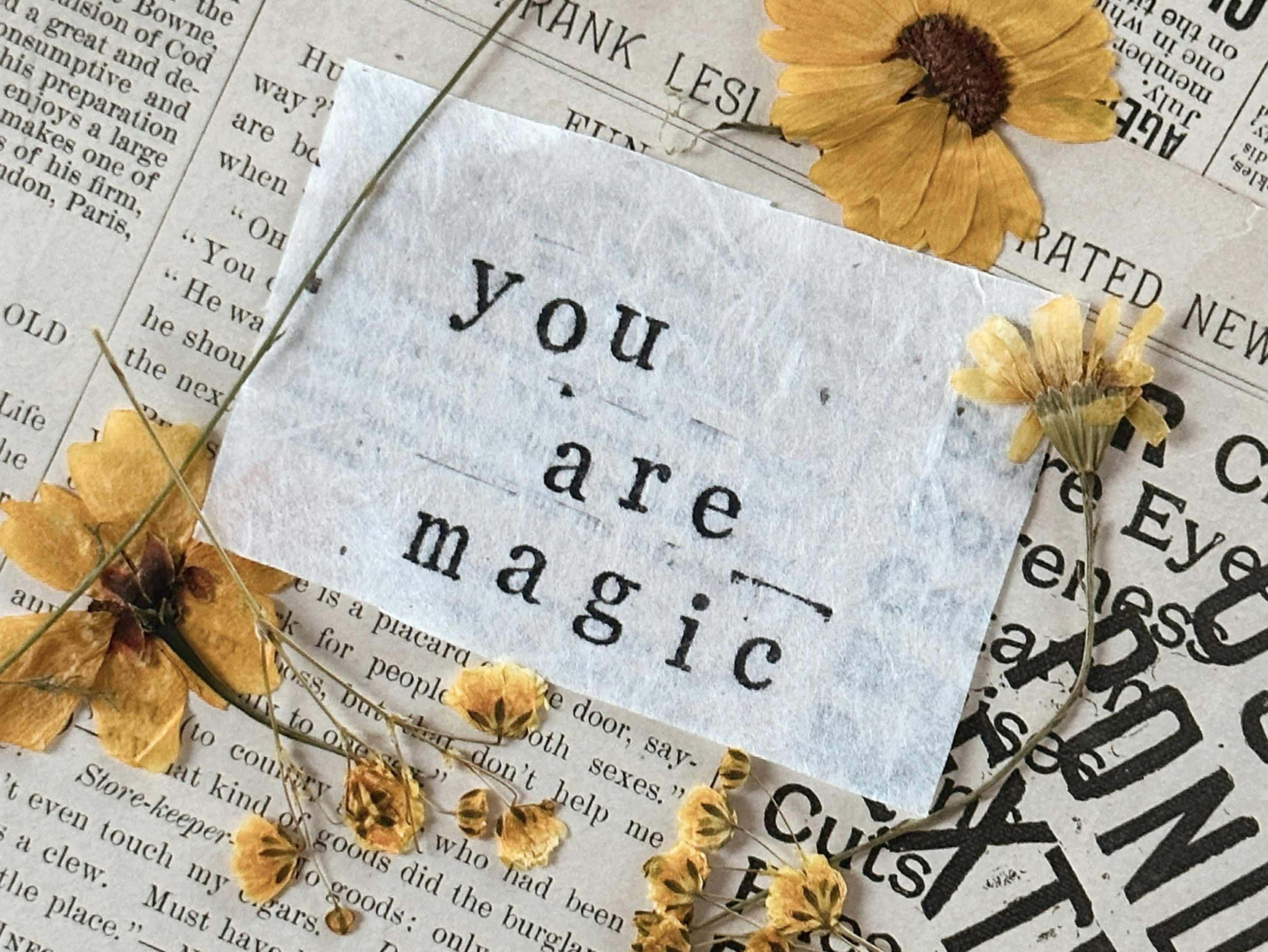
A junk journal is a handmade journal created from repurposed or found materials. Instead of starting with pristine paper and matching supplies, junk journaling invites you to use everyday pieces like old receipts, ticket stubs, book pages, postcards, maps, photos, fabric scraps, notes, wrappers, and other bits of ephemera. The result is part journal, part scrapbook, part collage, and part personal archive.
What makes a junk journal special is its freedom. Unlike traditional scrapbooks, which are often organized around events and polished layouts, junk journals are usually more informal, layered, and expressive. They can hold memories, thoughts, sketches, decorations, lists, and tiny objects from daily life. Imperfection is part of the appeal.
A brief history of junk journals
Junk journaling does not have one single official starting point, but it clearly grows out of older traditions of scrapbook-making, collage, and handmade memory books. Scrapbooking itself has deep roots, and by the 19th century it was already popular enough that Mark Twain patented a “self-pasting” scrapbook in 1872. Smithsonian notes that scrapbooking was widespread enough to shape how newspapers presented content for readers to clip and save.
Junk journaling is best understood as a modern, more relaxed offshoot of that tradition. It keeps the memory-preserving instinct of scrapbooking, but replaces polished uniformity with found materials, mixed textures, and a more personal, artistic approach. More recently, the hobby has expanded through online communities; People reports that Reddit communities helped formalize the interest and that junk journaling surged on TikTok in 2024.
What is used in a junk journal?

Almost any flat or lightweight item can go into a junk journal. Common materials include old book pages, vintage paper, photos, postcards, receipts, maps, tickets, stickers, wrappers, pressed flowers, notes, fabric scraps, and other saved paper objects from everyday life. Many people also add handwriting, sketches, captions, quotes, and decorative layers.
RELATED ARTICLE: Spring Cleaning: Refresh Your Space and Revitalize Your Life
That mix of materials is part of the charm. One page might include a café receipt, a movie ticket, a handwritten thought, and a torn magazine image. Another might hold a dried flower, a ribbon, a travel brochure, or an old letter. Better Homes & Gardens also points to embellishments like stickers, ribbons, buttons, and other ephemera as common additions once your base is set.
Who is a junk journal for?

Junk journaling is for almost anyone, but it especially suits people who like to save little mementos, enjoy paper crafts, want a low-pressure creative practice, or feel intimidated by “perfect” scrapbooking. Martha Stewart describes it as a quicker, more in-the-moment form of self-expression, while Vogue frames it as a way to give purpose to the small souvenirs that collect in drawers, purses, and cabinets.
It can appeal to:
- People who save small objects from daily life
- Crafters who enjoy collage, paper goods, and texture
- Writers who want journaling to feel more visual
- Travelers who want to keep maps, tickets, and hotel pieces
- Beginners who want a creative hobby without strict rules or expensive supplies
“Journal writing is a voyage to the interior.”
Christina Baldwin
What you need
The easiest way to start is to keep it simple. Begin with any notebook, old book, or blank journal you do not mind making messy. Then gather a small pile of paper scraps and mementos from your life: receipts, packaging, postcards, tags, notes, and clippings are enough for your first pages. People notes that you really only need “junk” and a journal to begin.
From there, pick a loose starting point. You could make pages about a single day, a recent trip, your favourite restaurant, a season, a playlist, or even just whatever is currently in your bag. Glue things in, overlap layers, add notes in the margins, and leave blank spaces if you want. Better Homes & Gardens advises beginners not to save stickers for a special occasion and to remember that there are no rules.
A good beginner process looks like this:
- Choose your base journal.
- Collect a few scraps and keepsakes.
- Arrange them loosely before gluing.
- Add writing, dates, captions, or drawings.
- Keep going without worrying about perfection.
What you need

- A journal, notebook, or old book
- Paper scraps or saved ephemera
- Glue or glue tape
- Scissors
- A pen or pencil
Nice to have
- Washi tape
- Stickers
- Magazines for cutting images
- Coloured pens or markers
- Ribbon, buttons, or fabric scraps
- Photos or printables
- Folders or boxes to organize supplies
The nice thing about junk journaling is that it can stay very inexpensive. Because the practice centers on repurposed materials, you can start with what you already have at home and add decorative extras only if you enjoy them.
RELATED ARTICLE: Grounding Techniques: Earth’s Antidote to Modern Stress?
Why people love it
Many people are drawn to junk journals because they turn overlooked objects into something meaningful. A receipt becomes proof of a lovely afternoon. A ticket stub becomes a memory. A sticky note becomes part of a story. The hobby also removes some of the pressure that comes with traditional journaling or highly polished scrapbooking, making it feel playful, forgiving, and personal.
In the end, a junk journal is less about rules and more about noticing your life. It is a place for scraps, memories, textures, thoughts, and small beautiful things that might otherwise be thrown away.
RELATED ARTICLE: 10 Surprising Daily Gratitude Practices
One response to “Junk Journal for Visual People: A Beautiful Way to Start Creating”
Bravo! Excellent way you explained junk journal using travel souvenirs, movie or opera or sports tickets to remember the memories of activities we experience. Thanks!