

In recent years, the importance of gut health has come to the forefront of wellness discussions. With its implications stretching far beyond digestion, a healthy gut can influence everything from mental well-being to immune function. But how do we ensure our gut remains in tip-top shape? Let’s dive into the practices and foods that promote optimal gut health.
Understanding the Gut Microbiome
Before embarking on the journey to better gut health, it’s essential to understand the players involved. Our gut houses a diverse community of microorganisms, predominantly bacteria, known as the microbiome. This community works in tandem to digest food, produce vitamins, and ward off harmful pathogens. Maintaining a balanced microbiome is the foundation of gut health.
Importance of Maintaining a Health Gut Micobiome
Maintaining a healthy gut microbiome is crucial for several reasons. The gut microbiome refers to the trillions of bacteria, viruses, fungi, and other microorganisms that live in our digestive tracts. Here’s why it’s vital for health:
- Digestion and Nutrient Absorption: Some gut bacteria help digest certain foods that the stomach and small intestine have not been able to digest. They can also produce certain vitamins, like vitamin K and some B vitamins.
- Immune System Regulation: A significant portion of the immune system is located in the gut. A healthy gut microbiome can boost the immune system and ensure that it functions correctly. Imbalances in the gut can lead to immune system overactivity (resulting in autoimmune diseases) or underactivity (making one susceptible to infections).
- Protection Against Pathogens: A well-balanced gut microbiome can prevent colonization by harmful pathogens by competing for nutrients and attachment sites and producing antimicrobial compounds.
- Mental Health and Brain Function: The gut-brain axis is a bidirectional communication system between the gut and the brain. Research has shown that the gut microbiome can influence brain function and behavior, potentially impacting conditions like anxiety, depression, and even autism.
- Metabolic Regulation: The gut microbiome plays a role in regulating metabolism. Research suggests that changes in gut bacteria can influence body weight, fat storage, and hunger-regulating hormones.
- Maintaining Gut Barrier Integrity: A healthy microbiome supports the gut barrier, preventing harmful substances from leaking into the bloodstream (often referred to as “leaky gut”). This barrier function is crucial in preventing inflammation and associated diseases.
- Production of Bioactive Compounds: Gut bacteria produce various compounds that can impact health. Short-chain fatty acids (SCFAs), for instance, are produced when bacteria ferment fiber in the colon. SCFAs have several beneficial effects, including nourishing colon cells and reducing inflammation.
- Drug Metabolism: Some drugs, including several commonly used medications, can be metabolized or modified by gut bacteria, which can influence drug efficacy and toxicity.
- Bone Health: A healthy gut microbiome can improve bone health by influencing the rate of bone mineralization and bone mass accrual.
- Regulation of Inflammation: A balanced gut microbiome is associated with reduced systemic inflammation, which is linked to numerous chronic diseases, from cardiovascular disease to cancer.
Given these diverse roles, it’s clear that maintaining a healthy gut microbiome is beneficial for overall health. Factors that can negatively impact the gut microbiome include antibiotics, poor diet, stress, and certain illnesses. Thus, practices like eating a fiber-rich diet, limiting unnecessary antibiotic use, managing stress, and potentially taking probiotics or prebiotics can help support a healthy gut biome.
RELATED ARTICLE: Ayurvedic Diet: Mindful Eating, Vitality, and Balance
Balancing Your Gut Flora: Probiotics and Prebiotics

Probiotics: These are live beneficial bacteria that can enhance and replenish the gut microbiota.
- Examples of Probiotic Foods:
- Yogurt (unsweetened varieties with live cultures)
- Sauerkraut
- Kimchi
- Kefir
- Miso
- Tempeh
- Pickles (fermented in brine)
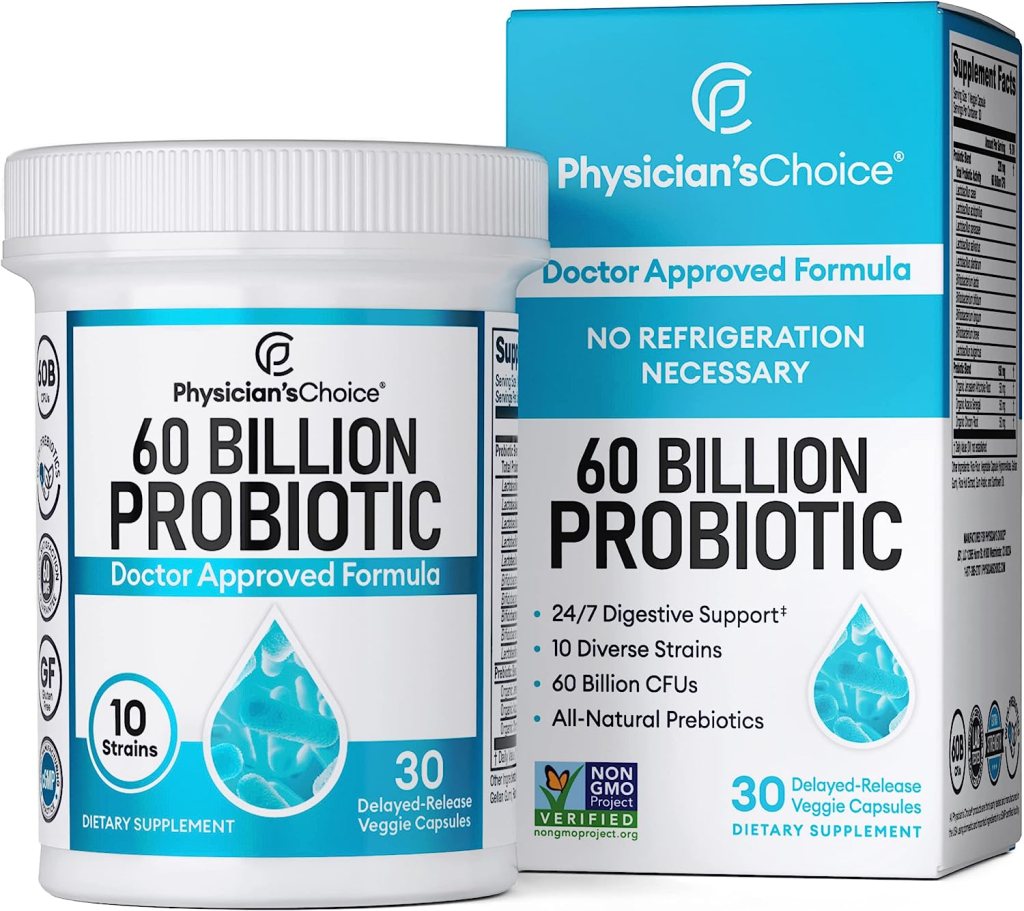
Prebiotics: These are non-digestible fibers that fuel the beneficial bacteria, aiding their growth and activity.
- Examples of Prebiotic Foods:
- Garlic
- Onions
- Leeks
- Asparagus
- Bananas
- Oats
- Apples
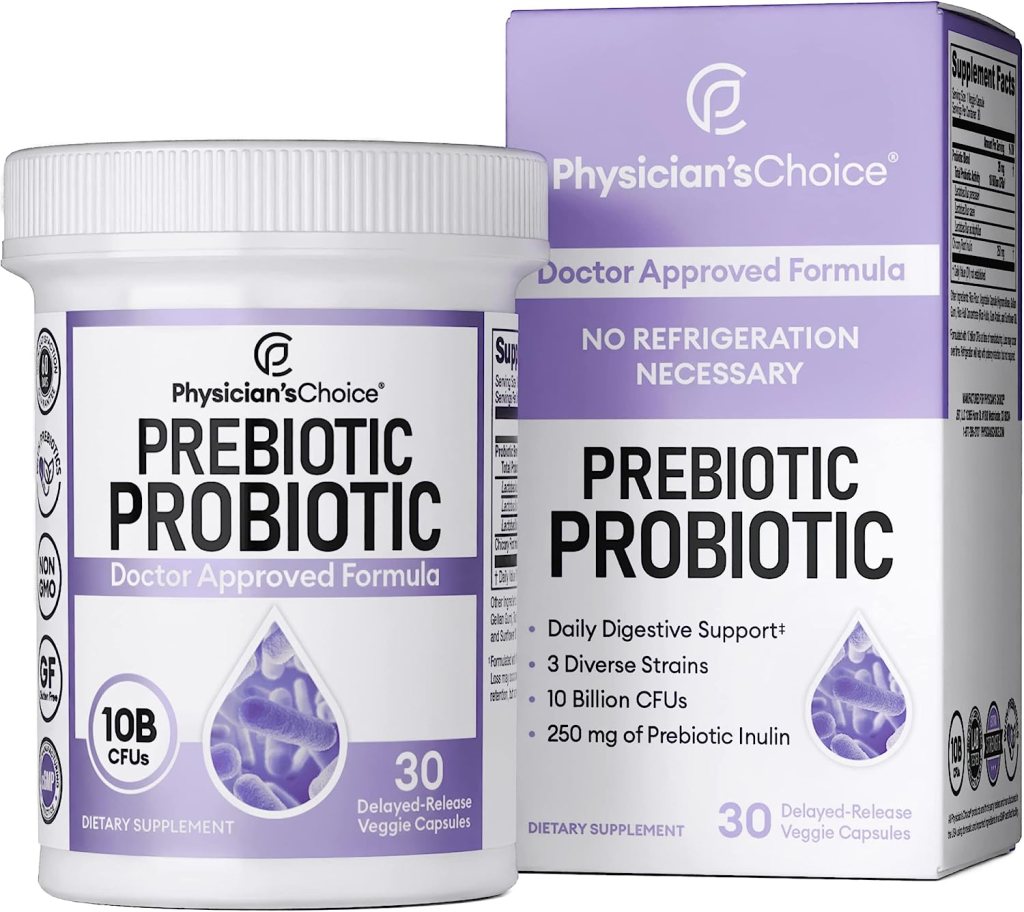
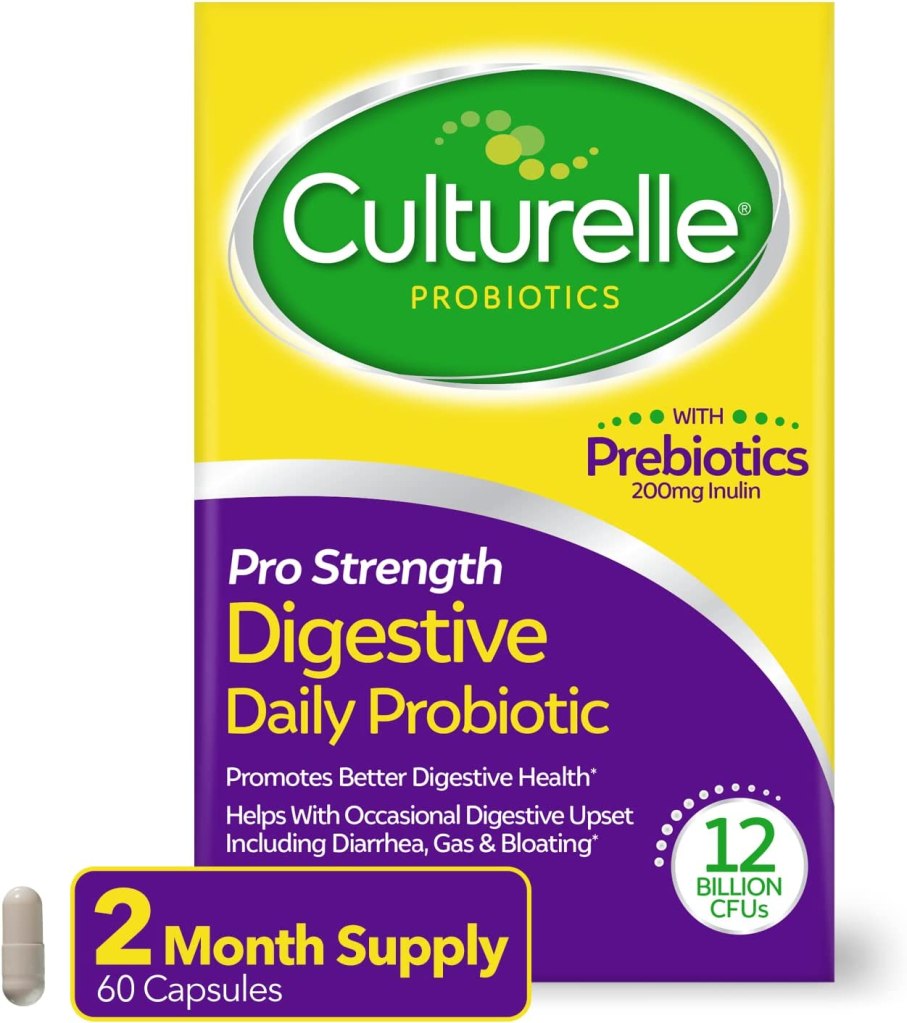
Synbiotics: A synbiotic is a combination of probiotics and prebiotics.
- In a synbiotic, the prebiotic component provides a source of nourishment for the probiotic component, enhancing its viability and activity. The idea is that by combining the two, the beneficial effects on the gut microbiota are synergistic, meaning they work better together than each would alone.

Dietary Fiber: The Unsung Hero
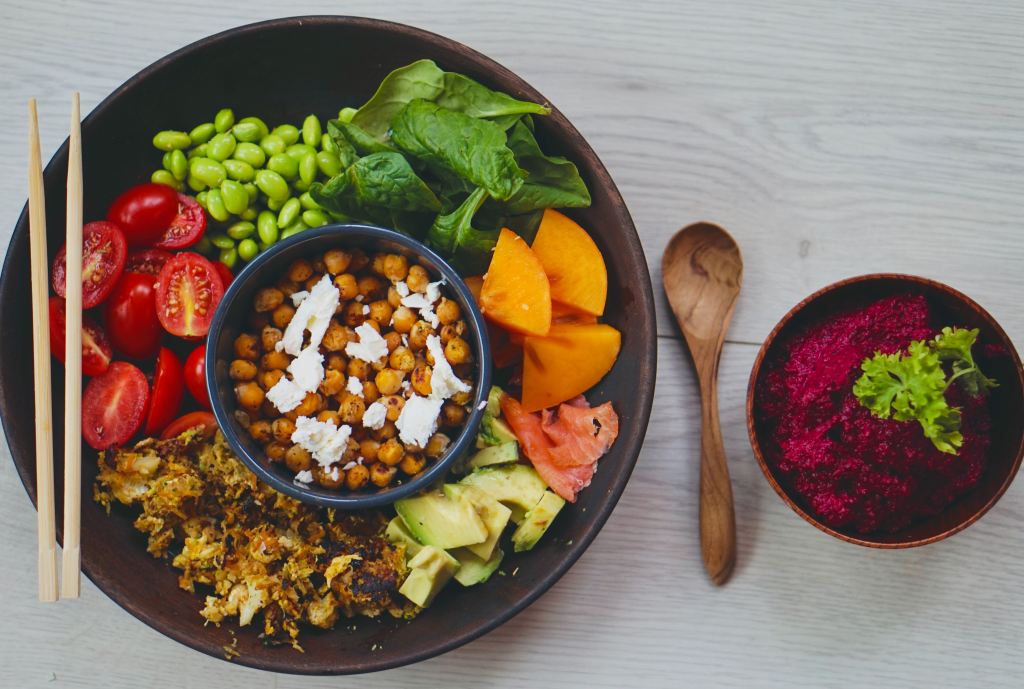
A high-fiber diet is paramount for gut health. Fiber not only aids in digestion but also serves as fuel for beneficial bacteria, resulting in the production of short-chain fatty acids that nourish the gut lining.
Examples of Fiber-rich Foods:
- Whole grains: Quinoa, barley, and whole wheat
- Legumes: Lentils, chickpeas, and black beans
- Vegetables: Broccoli, Brussels sprouts, and carrots
- Fruits: Berries, pears, and avocados
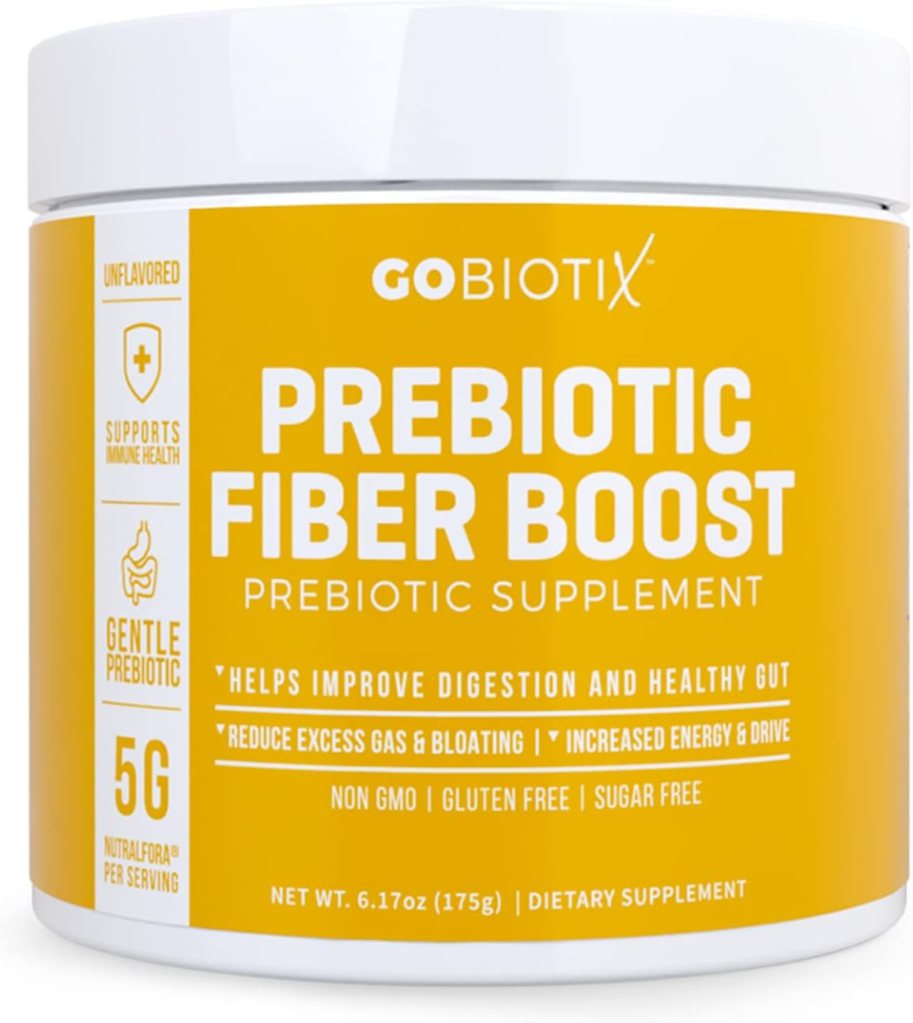
Prebiotic Fiber Supplement – Supports Gut Health and Digestive Regularity – Soluble Powder Fiber Supplement for Women + Men – Gummies Alternative – Gluten Free, Sugar Free, Keto, Vegan (1 Pack)
Limiting Gut Offenders
Certain foods and substances can adversely impact gut health by promoting harmful bacteria or irritating the gut lining.
- Processed Foods and Sugars: These can disrupt the balance of the gut microbiome.
- Overuse of Antibiotics: While they’re sometimes necessary, antibiotics can wipe out beneficial bacteria alongside harmful ones.
- Excessive Alcohol: High alcohol consumption can cause bacterial overgrowth and harm the gut lining.
- Frequent NSAID Use: Medications like ibuprofen can damage the gut lining when overused.
The Importance of Hydration

Water plays a crucial role in maintaining the mucosal lining of the intestines and aiding digestion. A well-hydrated body supports a healthier gut. Aim for at least 8 glasses a day, and consider water-rich foods like cucumbers, melons, and oranges to boost hydration levels.
Regular Movement: Exercise and Gut Health
Physical activity isn’t just good for the muscles and heart; it’s also beneficial for the gut. Regular exercise can increase the diversity of the microbiome, which is often linked to better gut health.
Reducing Stress for a Happy Gut
The gut and brain share a profound connection, often referred to as the gut-brain axis. Chronic stress can impact the gut in multiple ways, from altering its microbiome to promoting inflammation. Techniques to manage stress include:
- Meditation and deep breathing exercises
- Physical activity
- Adequate sleep
- Engaging in hobbies and activities you enjoy
Sleep: The Restoration Period

Quality sleep allows the body to repair and restore, including the gut. Aim for 7-9 hours of uninterrupted sleep to give your digestive system the rest it deserves.
Conclusion
Achieving optimal gut health is a multifaceted endeavor. By emphasizing a balanced diet rich in fiber, probiotics, and prebiotics, staying hydrated, and addressing lifestyle factors like exercise, stress, and sleep, we can create an environment where our gut can thrive. Remember, a happy gut translates to a happier, healthier you!
 GOODIE LIVING
One response to “Gut Health: The Link Between Digestion, Mind, and Immunity”
good read
Stay Blessed – Mel
Over 50 Delicious Keto Recipes – http://www.ketodietrecipes.co.uk
LikeLike