
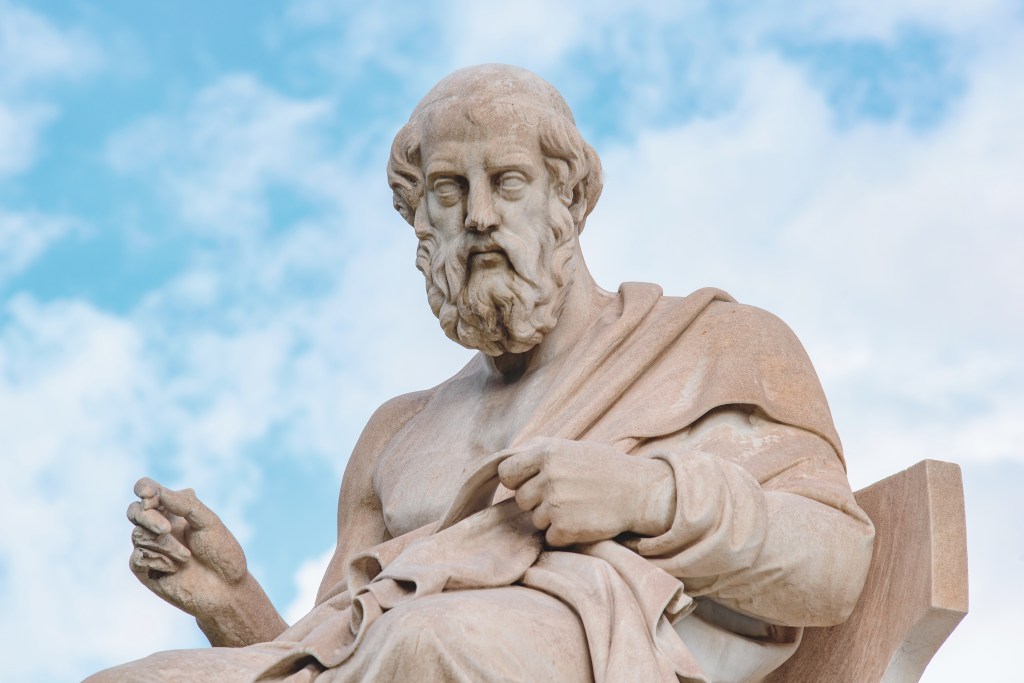
Plato’s Republic, a philosophical masterpiece written over two thousand years ago, continues to captivate readers with its profound insights into human nature, governance, justice, and the ideal society. In this review, we explore the enduring relevance of Plato’s Republic and how its ideas and principles continue to resonate in contemporary society.
The Nature of Justice:
Plato’s Republic presents a comprehensive exploration of justice and its implications. It delves into the relationship between individual justice and the broader concept of societal justice. The book raises fundamental questions about ethics, morality, and the nature of a just society, provoking readers to ponder these timeless philosophical quandaries.
The Ideal State:
Plato’s Republic outlines the concept of an ideal state governed by philosopher-kings who possess wisdom and knowledge. While the practical implementation of such a system may be challenging, the underlying idea of having virtuous leaders and governance based on reason continues to inspire discussions on effective leadership and the pursuit of a just society.
Education and Virtue:
Plato emphasizes the importance of education in cultivating virtuous individuals. He asserts that a well-rounded education should focus not only on acquiring knowledge but also on nurturing moral character and virtue. This perspective on education and its role in shaping individuals’ ethical values remains relevant in contemporary debates on education reform and the development of holistic learning.
The Allegory of the Cave:
One of the most famous allegories in philosophical literature, Plato’s Allegory of the Cave, offers profound insights into the nature of reality and human perception. Its message about the importance of seeking truth and breaking free from the limitations of ignorance holds relevance in today’s era of misinformation and the critical need for critical thinking and discernment.
The Role of Women:
Plato’s Republic challenges traditional gender roles by advocating for the inclusion of women in various societal roles, including governance and education. While his ideas may have been radical for his time, they still spark discussions on gender equality and the empowerment of women in contemporary society.
Individual Happiness and the Good Life:
Plato’s exploration of individual happiness and the quest for the good life transcends time. His emphasis on the pursuit of wisdom, virtue, and the attainment of true knowledge as the path to personal fulfillment resonates with the ongoing quest for purpose and fulfillment in modern society.
Social Justice and Equality:
Plato’s Republic raises questions about social inequality and the role of justice in fostering a harmonious society. The book’s exploration of the dangers of unchecked power, the corruption of wealth, and the need for fair distribution of resources continues to inform discussions on social justice, inequality, and the pursuit of a more equitable society.
Conclusion:
Plato’s Republic remains an influential work that continues to inspire and provoke thought. Its exploration of justice, governance, education, and the nature of reality resonates with contemporary society, inviting readers to reflect on fundamental philosophical questions. As we navigate the complexities of the modern world, the enduring relevance of Plato’s Republic serves as a timeless guide, challenging us to strive for justice, wisdom, and the pursuit of the good life.
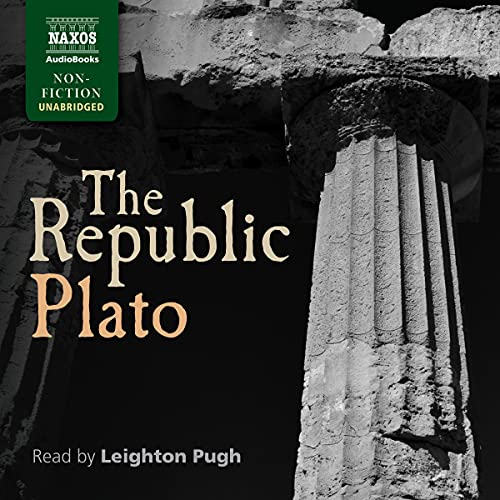
The Republic  Audible Audiobook – Unabridged
In The Republic, Socrates is asked the question: “What is justice?” And in order to answer it, he draws a long and detailed analogy between the individual and the city. Plato’s work forms the foundation of Western philosophy and covers a wide range of topics including political theory and ethics, with extended digressions into artistic and literary criticism, the theory and practice of education as well as epistemology and metaphysics. Deploying straightforward language and metaphors drawn from everyday life, The Republic contains many key ideas including the theory of forms and the concept of the philosopher-king.
 GOODIE LIVING