
Category: Wellness
-

Neem Oil: Nature’s Solution for Healthier Houseplants
Neem oil effectively combats a variety of pests without harming beneficial insects, ensuring a balanced ecosystem. Its antifungal properties protect plants against common fungal diseases, promoting healthier growth. Additionally, it’s an environmentally friendly alternative, leaving no harmful residues and supporting sustainable gardening practices.
-

A Brief History of Wine: A Journey Through Time and Terroir
Wine, the nectar of the gods, has been a beloved beverage for thousands of years. Its origin traces back to the dawn of civilization, serving not just as a drink but as a cultural cornerstone in societies across continents. This article will take a sip from the chalice of history to uncover the fascinating evolution…
-

Savor, Relish, Reflect: The Ayurvedic Path to Mindful Eating
Mindful eating, central to Ayurvedic philosophy, champions a profound awareness of the eating process — from acknowledging the food’s source, selecting ingredients thoughtfully, to cherishing the environment of consumption. It transcends merely satiating hunger or choosing nutritious foods; it’s about relishing flavors, expressing gratitude for meals, and tuning into our body’s reactions. This enriched connection…
-
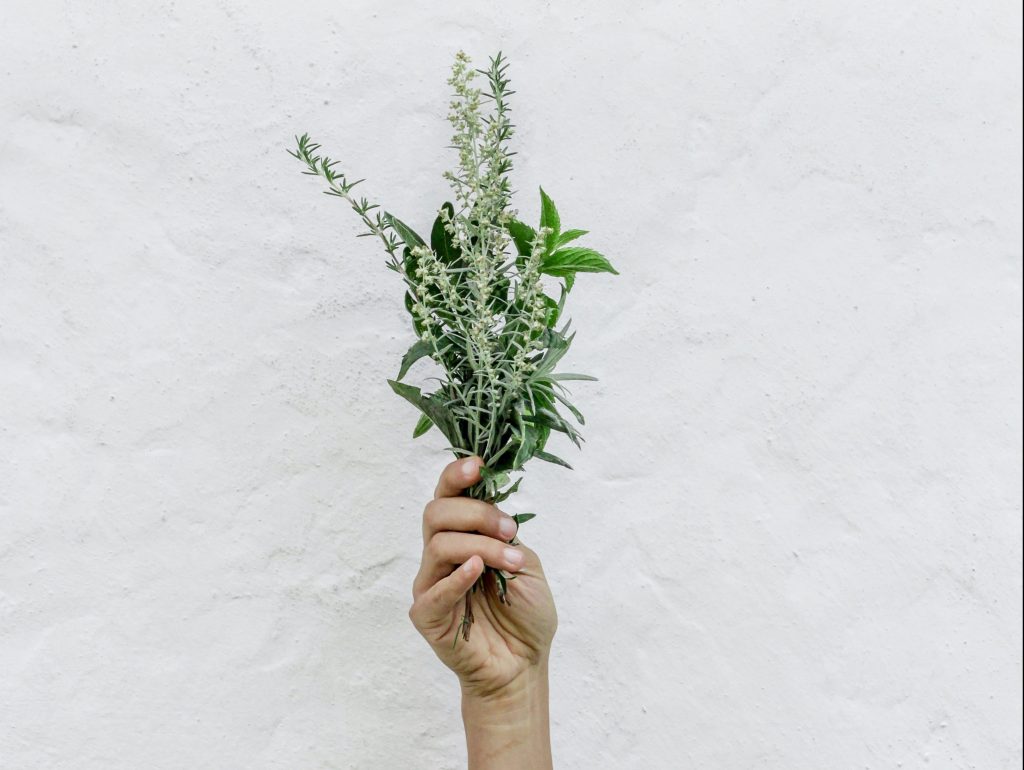
From Ghee to Ashwagandha: Ayurveda’s Rasayana for Rejuvenation
A central concept in Ayurveda is that of “Rasayana.” In the age-old wisdom of Ayurveda, the revered Indian system of medicine, Rasayana encompasses therapies and practices dedicated to the rejuvenation of the body, mind, and spirit. Deriving its name from the Sanskrit words “Rasa,” meaning essence, and “Ayana,” signifying path, the term “Rasayana” can be…
-
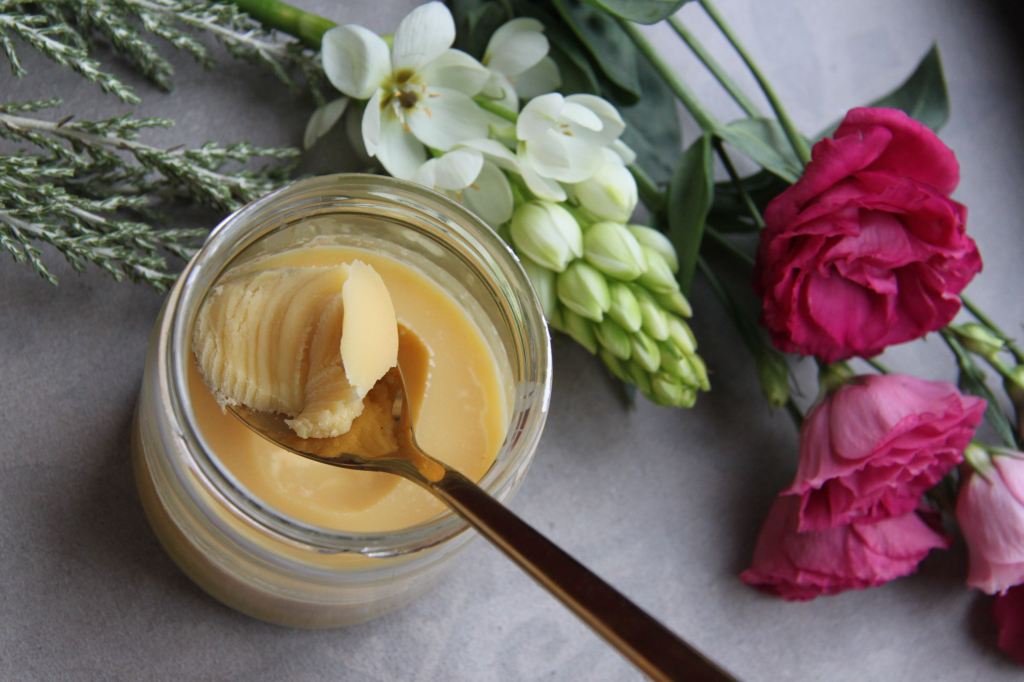
Exploring Ghee: The Clarified Butter with Timeless Benefits
Ghee, often described as the “golden elixir” of Indian culinary traditions, is a type of clarified butter. It’s not just a cooking ingredient but has been celebrated for its myriad health benefits for centuries, especially in Ayurveda. This article delves into the world of ghee, exploring its origins, how it’s made, and the potential benefits…
-
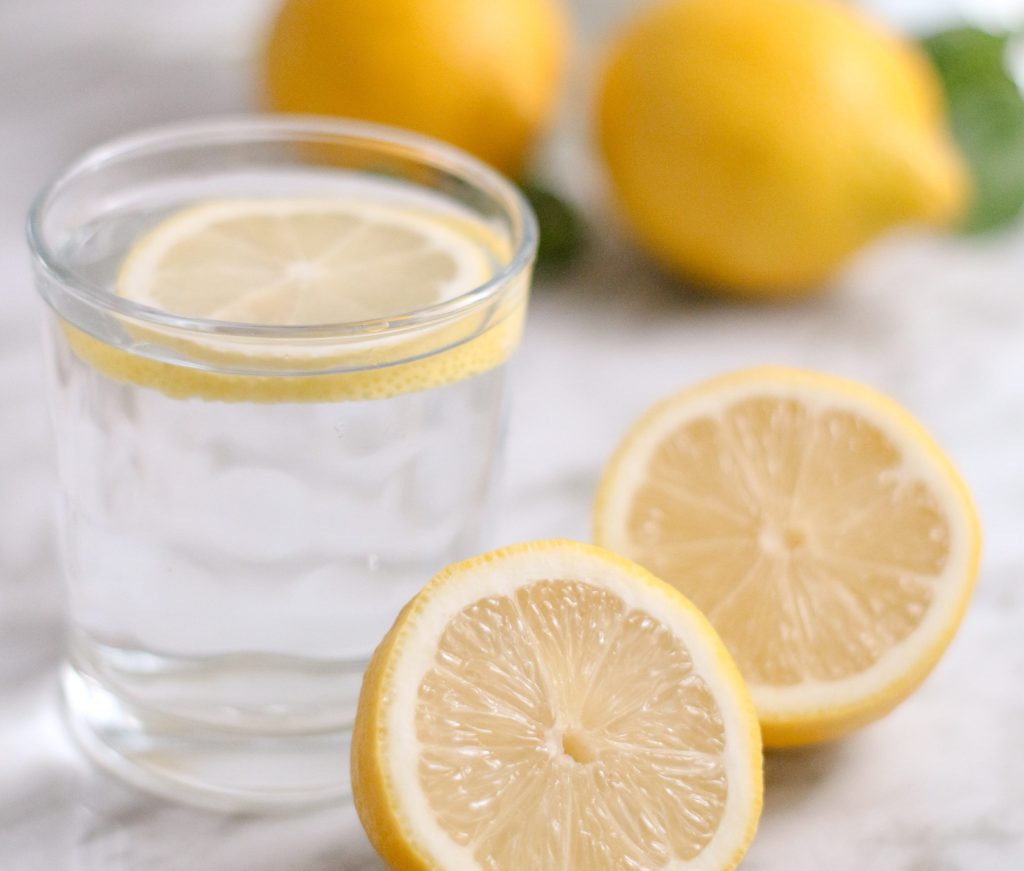
The Health Benefits of Lemon Water: A Refreshing Elixir for Wellness
Lemon water, a simple yet potent concoction of freshly squeezed lemon juice and water, has been touted as a natural remedy and health elixir for centuries. Beyond its refreshing taste, this humble beverage offers an array of health benefits that can enhance overall well-being. Packed with essential nutrients and powerful antioxidants, lemon water has become…
-

How Gratitude Rewires the Brain: The Science Behind Thankfulness
Gratitude, the simple act of expressing thanks and appreciation, has been valued across cultures and spiritual traditions for centuries. Beyond being a moral virtue, recent scientific research has unveiled the profound impact of gratitude on the brain and overall well-being. In this article, we explore the fascinating science behind thankfulness and how practicing gratitude can…
-

Ayurvedic Doshas: Ancient Forces of Body and Mind
Ayurveda, the ancient holistic healing system, recognizes three doshas – Vata, Pitta, and Kapha – as the primary forces that govern the body and mind. Each dosha represents a unique combination of the five elements (earth, water, fire, air, and space) and plays a distinct role in maintaining balance and overall well-being. Understanding the characteristics…
-

Kapha Dosha: Understanding the Nurturing Energy of Ayurveda
In Ayurveda, an ancient system of holistic healing, the three doshas – Vata, Pitta, and Kapha – are central to understanding an individual’s constitution and well-being. Kapha, the dosha composed of earth and water elements, plays a vital role in maintaining balance and harmony within the body and mind. As one of the three fundamental…
-

Fiery Pitta Dosha: Balancing Heat and Coolness
In the ancient holistic healing system of Ayurveda, Pitta is one of the three doshas, or bioenergetic forces, that govern the human body. Representing the fire and water elements, Pitta plays a vital role in various physiological and psychological processes. Understanding Pitta and maintaining its balance is crucial for overall health and well-being. In this…
 GOODIE LIVING