

The characteristics of a thoughtful parent can vary depending on cultural, personal, and contextual factors, but some widely recognized attributes include:
- Love and Affection
- Support
- Consistency and Boundaries
- Patience and Understanding
- Communication
- Role Modeling
- Respect
- Education and Learning
- Safety and Protection
- Flexibility and Adaptability
- Encouragement and Praise
- Time
- Conclusion
Love and Affection
Showing love and affection to your children through actions, words, and physical touch. This fosters a sense of security and belonging in the child.
- “I love you no matter what happens.”
- “You are very special to me.”
- “I’m so grateful to have you in my life.”
- “Your happiness means the world to me.”
- “I love you just the way you are.”
Support
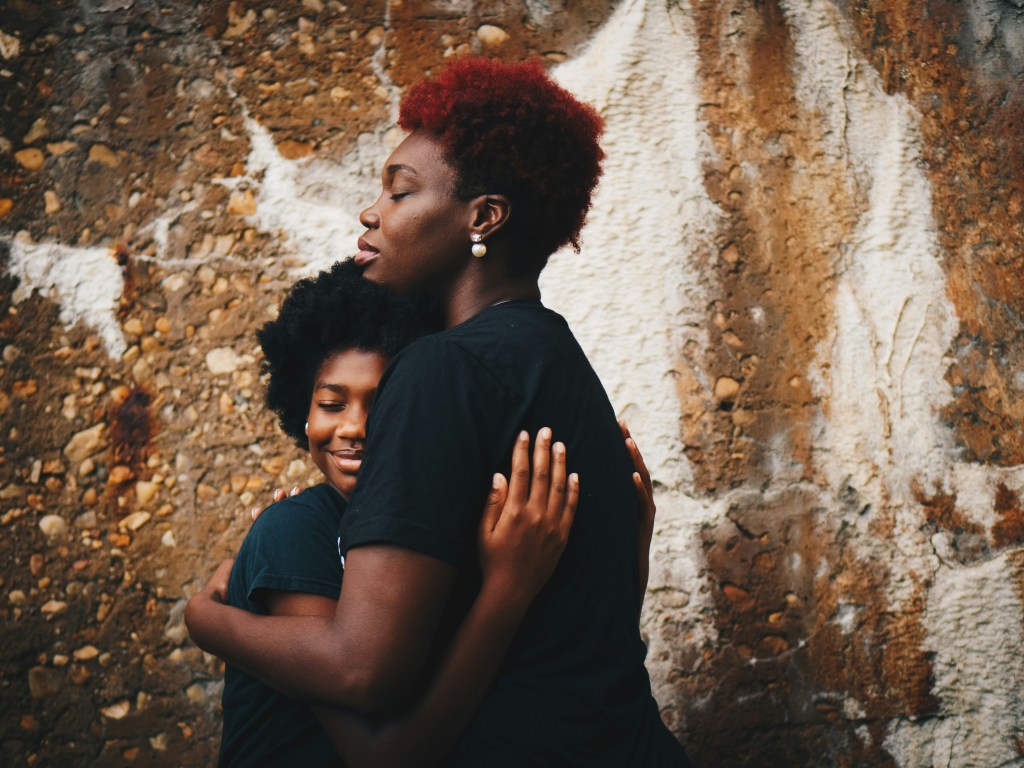
Providing emotional, social, and financial support. Encouraging your children’s interests, activities, and education.
- “I’m here for you whenever you need me.”
- “You can always count on me to help you.”
- “I believe in you and your abilities.”
- “I’m proud of the effort you put into everything you do.”
- “Let’s figure this out together.”

RELATED ARTICLE: Salt Baths: Nature’s Answer to Stress, Aches, and Skin Woes
Consistency and Boundaries
Implementing consistent rules and boundaries to help children understand expectations and develop discipline. Consistency in parental behavior also contributes to a stable environment.
- “These rules are in place to keep you safe and help you grow.”
- “I know it’s tough, but sticking to our routine is important.”
- “Consistency helps us all know what to expect.”
- “Even when it’s hard, I’ll always be consistent with you because I care.”
- “Boundaries are a way of showing respect to ourselves and others.”

Patience and Understanding
Recognizing that children are learning and will make mistakes. A good parent is patient and understands your child’s developmental stages, challenges, and emotions.
- “It’s okay to make mistakes; that’s how we learn.”
- “I understand this is difficult for you.”
- “Take your time, I’m here to help when you’re ready.”
- “I can see you’re trying hard, and that’s what matters.”
- “Let’s work on understanding this together.”
RELATED ARTICLE: Grounding Techniques: Earth’s Antidote to Modern Stress?
RELATED ARTICLE: Best Gardening Tools for Your Lawn and Garden
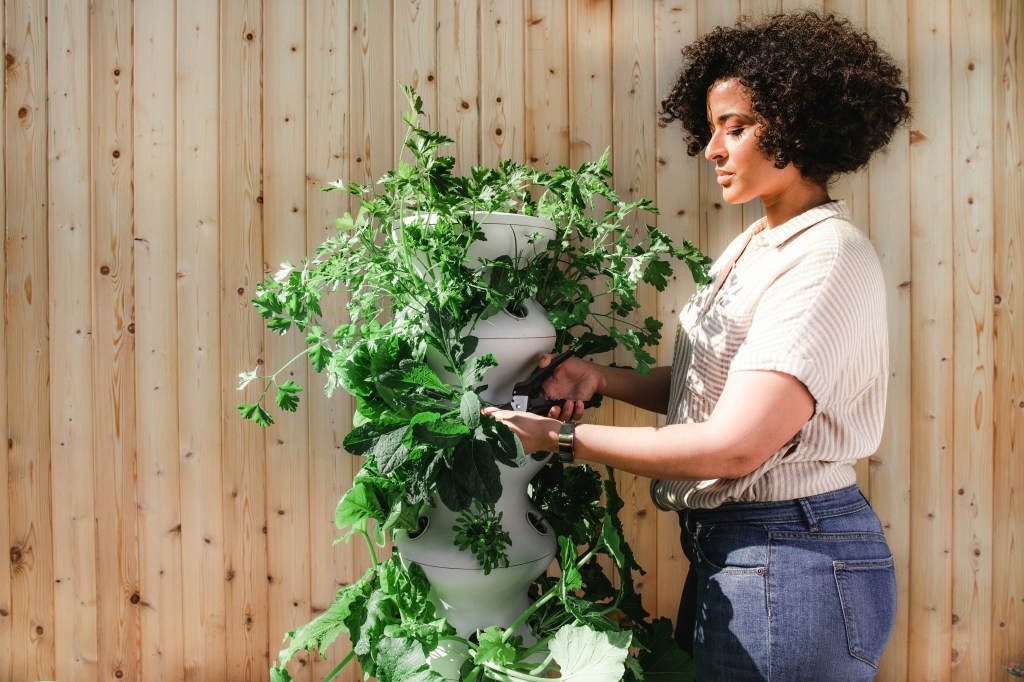
The act of planting, nurturing, and observing plants grow can be a powerful mindfulness exercise. It teaches patience, care, and the beauty of gradual progress
Communication
Engaging in open and honest communication with your children. Listening actively and encouraging your children to express themselves.
- “What you have to say is important to me.”
- “Let’s talk about it, I’m listening.”
- “Your thoughts and feelings are always valid with me.”
- “I appreciate you opening up to me.”
- “Communication is key; never hesitate to share with me.”

RELATED ARTICLE: 10 Surprising Daily Gratitude Practices
Role Modeling
Demonstrating positive behavior, values, and attitudes. Parents are role models, and your actions teach children how to navigate the world and treat others.
- “Let’s work on solving this problem together. It’s important to stay calm and think things through.”
- “I always try to treat others with kindness and respect, even when it’s difficult.”
- “I made a mistake and I’m sorry. It’s important to apologize when we’re wrong.”
- “Let’s share and take turns. It shows we care about each other’s feelings.”
- “I’m choosing to eat healthy and stay active because taking care of our bodies is important.”
Respect
Treating your children with respect and recognizing your individuality. This includes respecting your feelings, thoughts, and experiences.
- “I value your opinion. What do you think we should do?”
- “It’s okay to feel upset. Your feelings are important to me.”
- “I respect your privacy and will knock before entering your room.”
- “You have the right to choose your hobbies. I’m interested in what you enjoy.”
- “I noticed you worked hard on that project. It shows your dedication, and I respect that.”
Education and Learning
Encouraging a love for learning and valuing education. Supporting your children’s educational endeavors and promoting curiosity.
- “What did you learn today that excited you?”
- “Let’s look up the answer together. Learning new things is always fun.”
- “Education is a valuable tool that can help you achieve your dreams.”
- “I love reading because it opens the door to new worlds. Want to choose a book we can read together?”
- “Making mistakes is okay. It’s a part of learning and growing.”
RELATED ARTICLE: 23 Inspiring Quotes to Cultivate a Heart Full of Gratitude
Safety and Protection
Ensuring the child’s physical and emotional safety. This includes protecting them from harm and providing a safe home environment.
- “I’m here to keep you safe. You can always come to me if you’re feeling scared or uncomfortable.”
- “Let’s establish a safety plan for when you’re outside playing or when we’re in crowded places.”
- “Wearing helmets while biking is important to protect our heads.”
- “Remember, if anything online makes you uncomfortable, come to me right away.”
- “It’s important to know who our trusted adults are in case you ever need help.”
Flexibility and Adaptability
Being able to adjust parenting styles as children grow and your needs change. Recognizing that what works for one child may not work for another.
Encouragement and Praise
Encouraging your children and praising your efforts and accomplishments. This builds self-esteem and motivation.
- “I’m so proud of the effort you put into your work, regardless of the outcome.”
- “You showed great kindness to your friend today. That’s wonderful!”
- “Every small step is progress. Keep going, I believe in you.”
- “Your creativity amazes me! Keep exploring your ideas.”
- “You’re doing a great job. I can see how much you’ve improved.”
Time
Spending quality time with your children, showing that they are a priority. This includes playing, talking, and engaging in activities together.
- “Let’s set aside some time to do something fun together. What would you like to do?”
- “I’m here to listen. Tell me about your day.”
- “This weekend is all about us. Let’s plan an adventure.”
- “Let’s cook dinner together tonight. It’s a great way to spend time and learn something new.”
- “I cherish our bedtime stories. It’s our special time to wind down and connect.”
Conclusion
While this list is not exhaustive, these characteristics are generally considered important in fostering a healthy, supportive, and nurturing environment for children to grow and develop into well-rounded individuals.
 GOODIE LIVING