
Candles are a beloved home accessory, providing warmth, ambiance, and delightful fragrances. However, many popular candles contain hidden toxins that can negatively impact indoor air quality and health. Understanding these common toxins and how to avoid them can help you make safer, healthier choices for your home.
- Paraffin Wax: The Base of Many Candles
- Synthetic Fragrances
- Heavy Metals in Wicks
- Formaldehyde and Other Volatile Organic Compounds (VOCs)
- Dyes and Colorants
- Pesticides and Herbicides in Plant-Based Waxes
- Soot and Particulate Emissions
- Practical Tips for Choosing Safer Candles
- Safer Candle Brands to Consider
- The Environmental Perspective
- Conclusion
1. Paraffin Wax: The Base of Many Candles
Most mass-produced candles are made from paraffin wax, a byproduct of petroleum. When burned, paraffin wax releases harmful chemicals such as benzene and toluene, both of which are known carcinogens. According to the Environmental Protection Agency (EPA), inhalation of these chemicals, especially in poorly ventilated spaces, can contribute to respiratory irritation, headaches, and long-term health risks.
Safer Alternatives:
Opt for candles made from natural waxes like soy wax, beeswax, or coconut wax. These alternatives burn cleaner and produce less soot.
RELATED ARTICLE: 10 Easy Swaps for a More Eco-Friendly Home
2. Synthetic Fragrances
The alluring scents in many candles often come from synthetic fragrance oils, which can contain phthalates—chemicals used to make fragrances last longer but, according to The National Institute of Environmental Health Sciences (NIEHS), linked to hormonal disruptions and reproductive health issues. Inhaling phthalate-laden fumes from candles may contribute to indoor air pollution and exacerbate asthma or allergies in sensitive individuals.
However, not all essential oils are inherently safer. Essential oils sourced from countries with less stringent safety regulations may contain toxins like pesticides, heavy metals, or synthetic additives, potentially negating their benefits.
Safer Alternatives:
Look for candles labeled as phthalate-free and verify that any essential oils used are certified pure and sourced responsibly. These options are less likely to contain harmful additives and can provide a safer, more natural scent.
3. Heavy Metals in Wicks
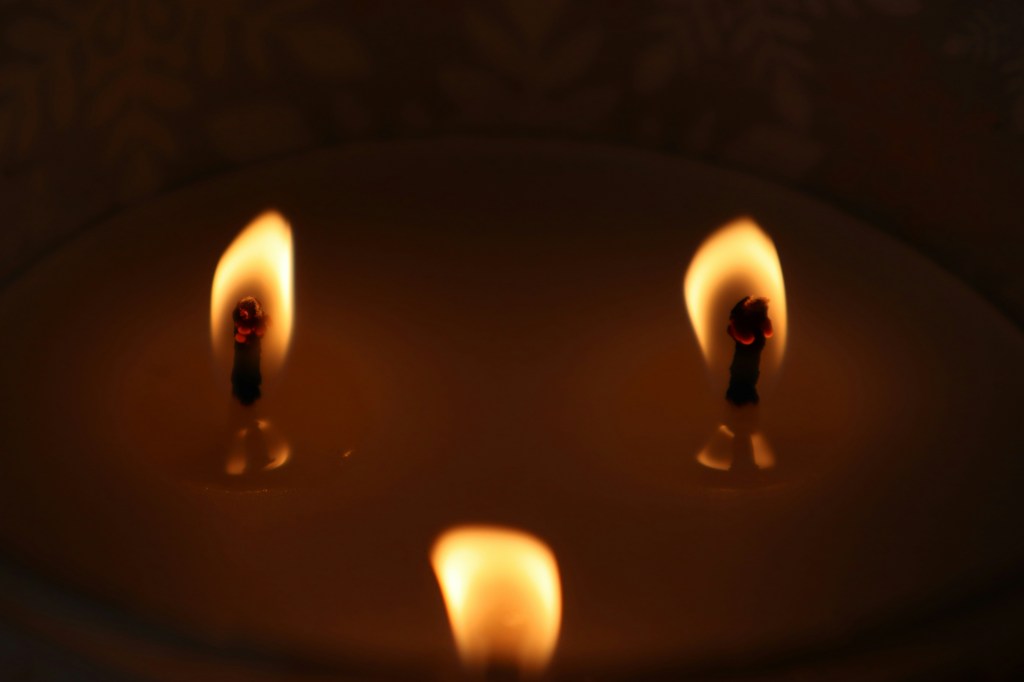
In the past, many candles used lead-core wicks, which helped them stand upright during burning. Although the U.S. Consumer Product Safety Commission (CPSC) banned lead wicks in 2003, some imported candles may still contain them. Burning candles with lead wicks releases toxic lead particles into the air, which can cause developmental issues in children and other serious health concerns in adults.
Safer Alternatives:
Choose candles with wicks made of cotton, hemp, or untreated wood, and ensure they are labeled as lead-free or metal-free. Be cautious with wood wicks, as some may be coated with chemicals like paraffin or accelerants such as potassium nitrate or borax to improve burning. These additives can release harmful toxins when burned, impacting your indoor air quality.
4. Formaldehyde and Other Volatile Organic Compounds (VOCs)
Candles made with synthetic fragrances, dyes, and other additives can release volatile organic compounds (VOCs), which are harmful to your health. Formaldehyde, a known carcinogen, is one of the most concerning VOCs found in some candles. According to the American Lung Association, burning candles that contain formaldehyde or other VOCs can lead to respiratory issues, dizziness, headaches, and long-term damage to the lungs. These substances are even more harmful when inhaled in poorly ventilated spaces.
Safer Alternatives:
Seek out candles labeled as formaldehyde-free or those made with clean-burning natural wax and essential oils. Proper ventilation is also key when burning any candle.
5. Dyes and Colorants
The vibrant colors of some candles come from synthetic dyes, which may contain harmful chemicals. When burned, these dyes can release toxic particulates into the air. Additionally, the production of synthetic dyes often involves environmentally harmful practices.
Safer Alternatives:
Choose undyed candles or those colored with natural mineral-based pigments. They are better for both health and the environment.
6. Pesticides and Herbicides in Plant-Based Waxes
While plant-based waxes like soy or palm wax are considered safer alternatives to paraffin, they may still contain traces of pesticides and herbicides if the plants were not grown organically. These residues can release toxins when the candle is burned.
Safer Alternatives:
Look for candles made from certified organic waxes to ensure they are free from harmful agricultural chemicals.
7. Soot and Particulate Emissions
All candles, regardless of their wax type, produce soot when burned. However, candles made from paraffin wax and those with synthetic additives tend to produce more soot. This soot can stain walls and furniture and contain microscopic particles that may be harmful when inhaled.
Safer Alternatives:
Ensure candles are made from clean-burning waxes like soy or beeswax and trimmed wicks before lighting to reduce soot production.
Practical Tips for Choosing Safer Candles
- Read Labels Carefully:
Look for certifications like “phthalate-free,” “lead-free,” “formaldehyde-free,” and “organic” to ensure you’re selecting healthier options. - Prioritize Natural Ingredients:
Candles made with natural waxes and scented with essential oils are generally safer, but not all essential oils are created equal. Imported oils from countries with less stringent safety standards may contain toxins like pesticides, heavy metals, or synthetic additives, potentially compromising their safety and quality. - Ventilate Your Space:
Always burn candles in a well-ventilated area to reduce the buildup of indoor air pollutants. - Trim the Wick:
Keeping wicks trimmed to about ¼ inch can minimize soot production. - Limit Burn Time:
Avoid burning candles for more than 3–4 hours at a time to reduce the concentration of indoor air pollutants.
Safer Candle Brands to Consider
Several brands are dedicated to creating clean, toxin-free candles. While we encourage independent verification of claims, here are some trusted options, including our very own Goodie Living candles:
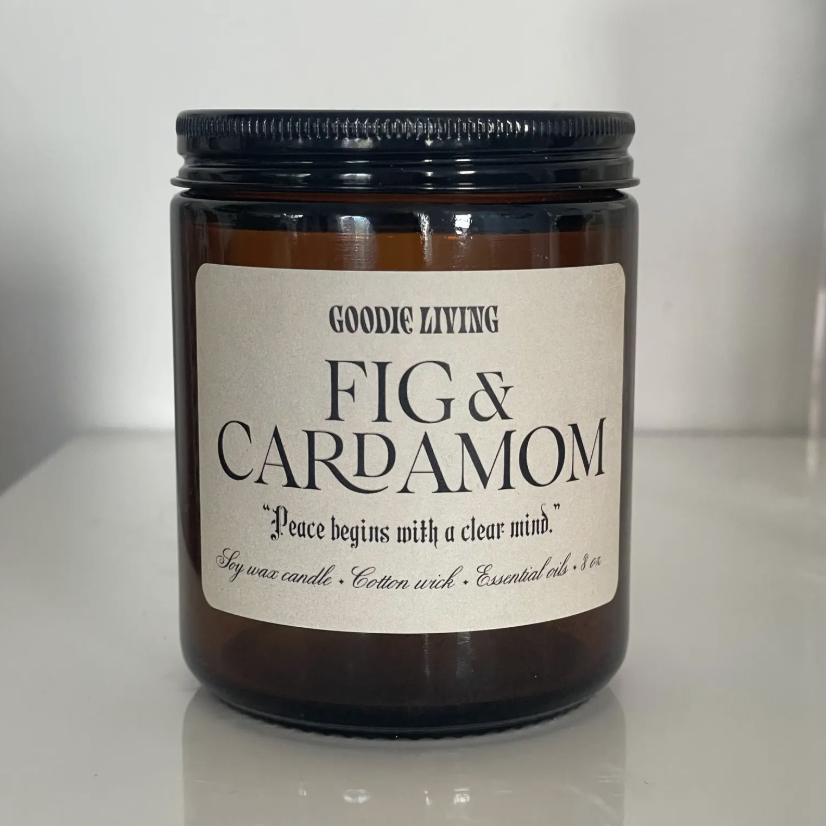
- Goodie Living: Hand-poured with organic soy wax in small batches, our candles are a reflection of our commitment to creating safe, clean, and non-toxic products. Each candle is crafted with phthalate-free fragrance oils, essential oils, and lead-free cotton wicks to ensure a clean burn. We prioritize sustainability, health, and creating luxurious candles you can trust.
- Paddywax: Known for using natural waxes and phthalate-free fragrances, their candles are designed with eco-friendly practices in mind.
- Pure Plant Home: Offers organic soy candles with essential oils, ensuring a toxin-free and sustainable experience.
- Bee’s Wrap Candles: Made with 100% beeswax and natural cotton wicks, these candles provide a clean and long-lasting burn.

The Environmental Perspective
Beyond personal health, choosing toxin-free candles has environmental benefits. Petroleum-based paraffin wax contributes to greenhouse gas emissions during production. Additionally, synthetic fragrances and dyes can leach into waterways during manufacturing, harming aquatic life. Supporting candles made from sustainable and biodegradable materials helps reduce this ecological footprint.
Conclusion
Candles are beloved for their ability to create ambiance and enhance relaxation, but it’s important to be aware of the potential hazards associated with their use. Common toxins found in candles include paraffin wax, synthetic fragrances, lead-core wicks, formaldehyde, and synthetic dyes. Exposure to these substances can lead to respiratory issues, hormone disruption, and long-term health risks.
To ensure a safer candle experience, choose candles made with natural waxes like soy or beeswax, scented with essential oils, and free from harmful additives. Always check labels for key certifications, such as “phthalate-free,” “lead-free,” and “organic,” and prioritize ventilation to reduce indoor air pollution. By making informed choices, you can enjoy the warmth and ambiance of candles while minimizing potential risks to your health.
Sources:
- Environmental Protection Agency (EPA). “Indoor Air Quality: Health Risks of Burning Candles.” EPA.gov
- National Institute of Environmental Health Sciences (NIEHS). “Phthalates.” NIEHS.nih.gov
- U.S. Consumer Product Safety Commission (CPSC). “Lead in Candle Wicks.” CPSC.gov
- American Lung Association. “Indoor Air Quality and Your Health.” Lung.org
- The Good Trade. “The Environmental Impact of Candles.” TheGoodTrade.com
 GOODIE LIVING