
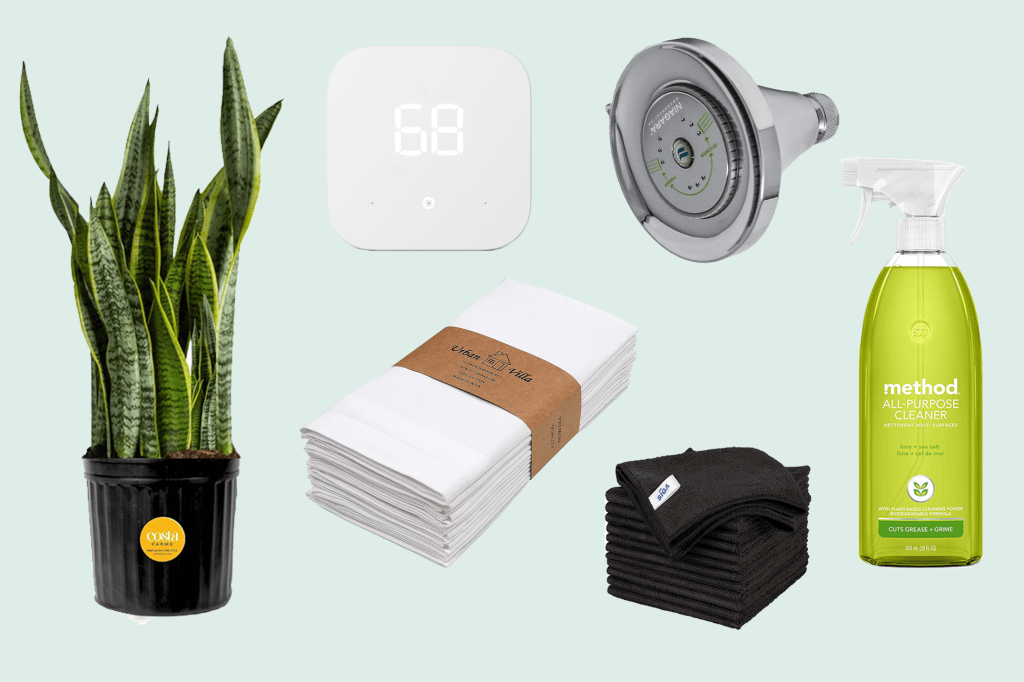
Creating an eco friendly home doesn’t have to be overwhelming. By making small, thoughtful changes, you can build a more eco-friendly household that’s better for the environment and your well-being. Here are 10 simple ways to get started.
- Swap Out Single-Use Plastics
- Opt for Energy-Efficient Lighting
- Reconsider Your Cleaning Supplies
- Reduce Food Waste
- Use Eco-Friendly Laundry Practices
- Choose Sustainable Furniture and Decor
- Reduce Your Paper Use
- Mindful Energy Use
- Bring Plants Indoors
- Conserve Water
1. Swap Out Single-Use Plastics
One of the easiest changes to make in your home is reducing single-use plastic items like bags, bottles, and cutlery. Instead, invest in reusable alternatives:
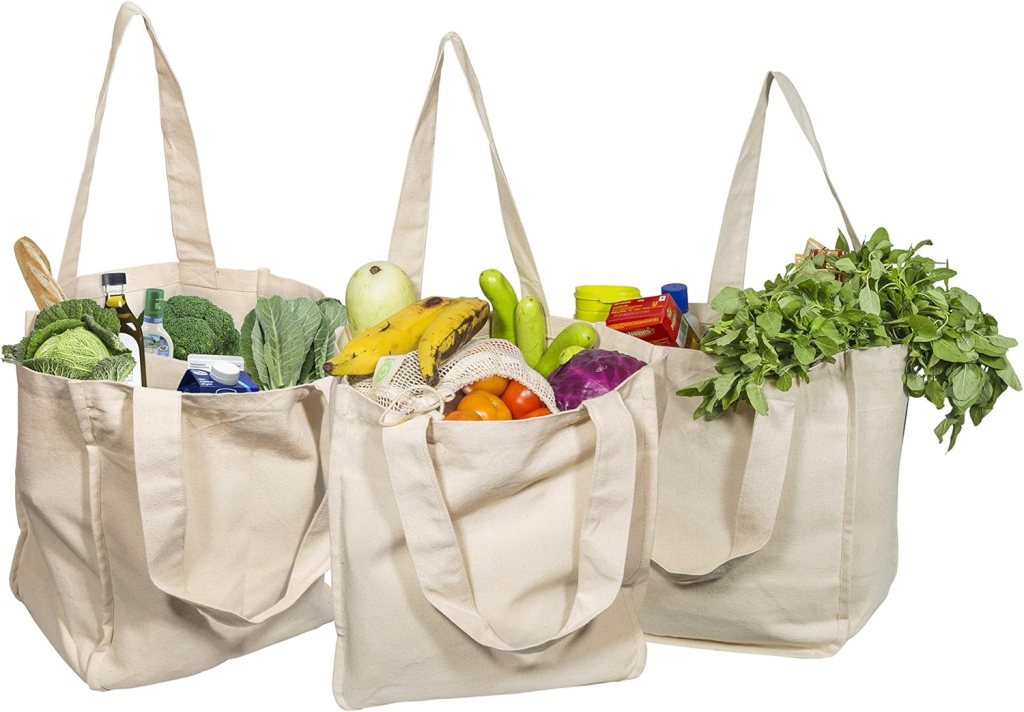
- Switch to cloth bags for groceries and produce. These simple swaps can drastically reduce the plastic waste your household generates.
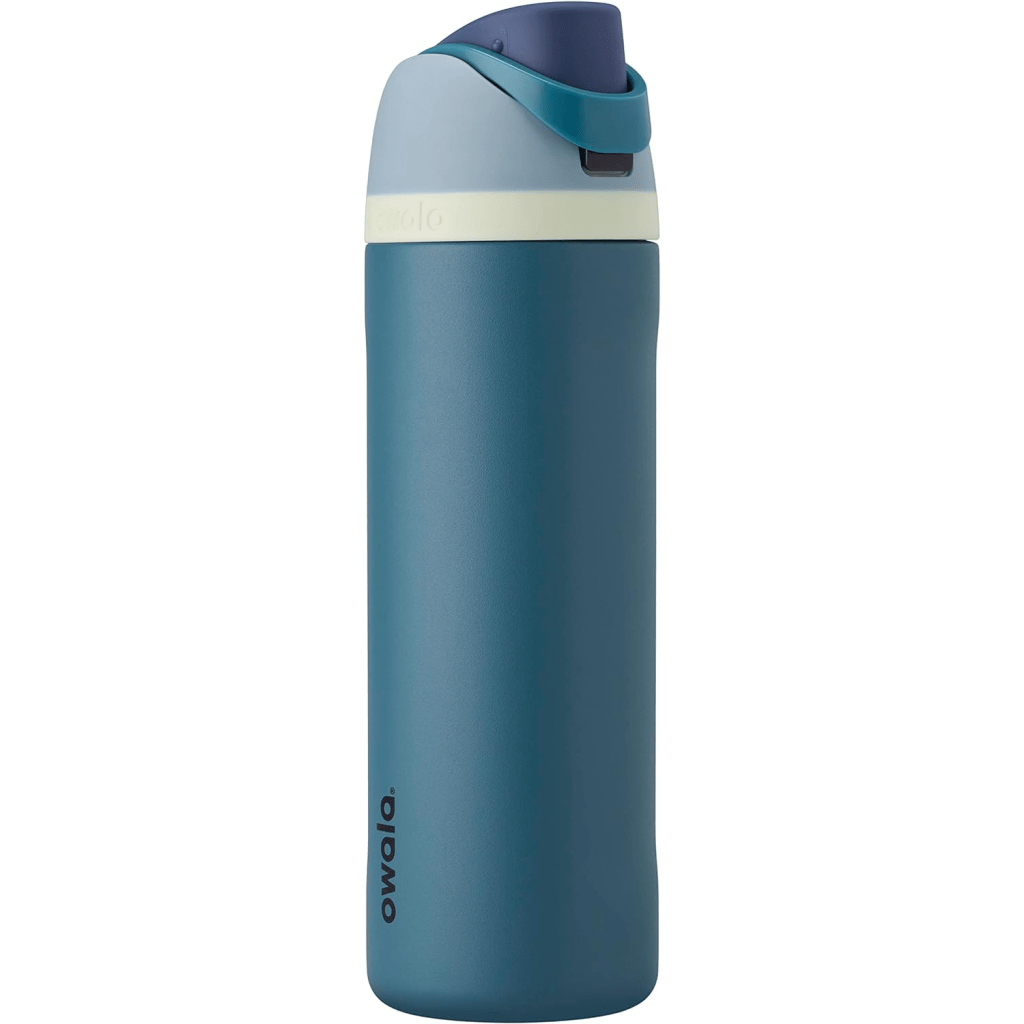
- Use glass or stainless steel water bottles instead of buying plastic bottles.
- Replace plastic wrap with beeswax wraps or silicone covers.
top sellers on amazon

RELATED ARTICLE: Clean Candles 101: What You Should Know About Hidden Toxins
2. Opt for Energy-Efficient Lighting
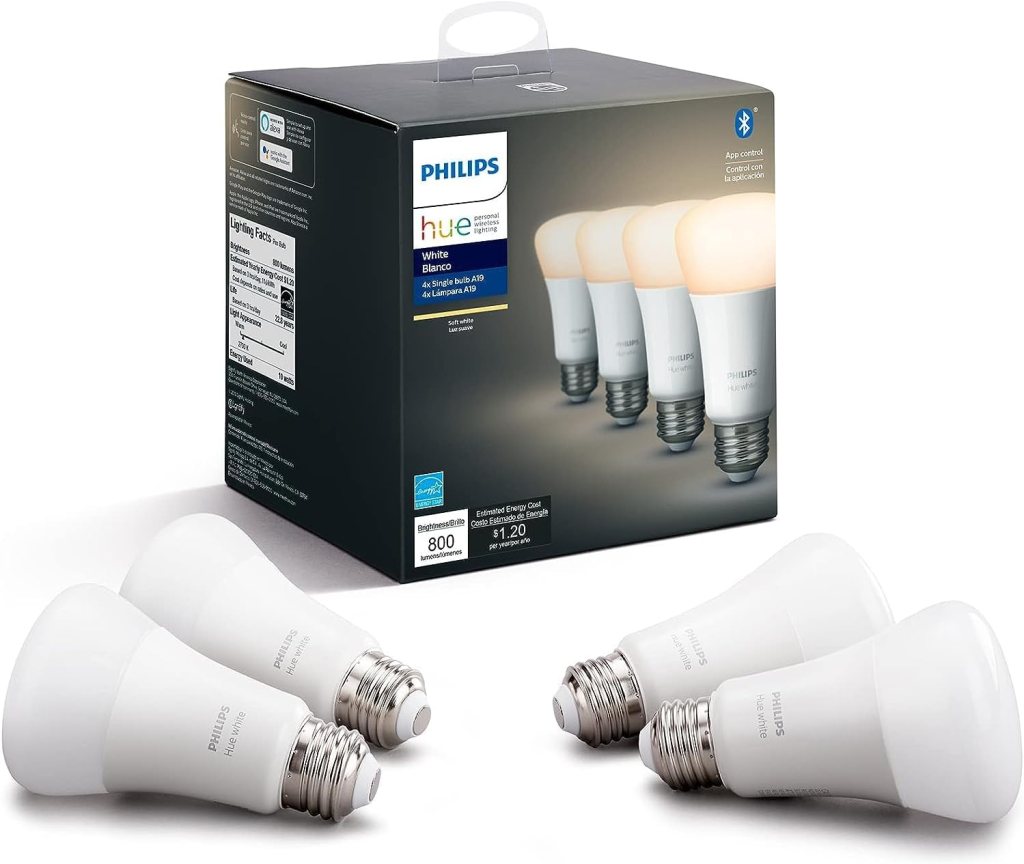
Switching to energy-efficient lighting is another small yet impactful change:
- Replace incandescent bulbs with LED lights. LEDs use up to 80% less energy and last significantly longer.
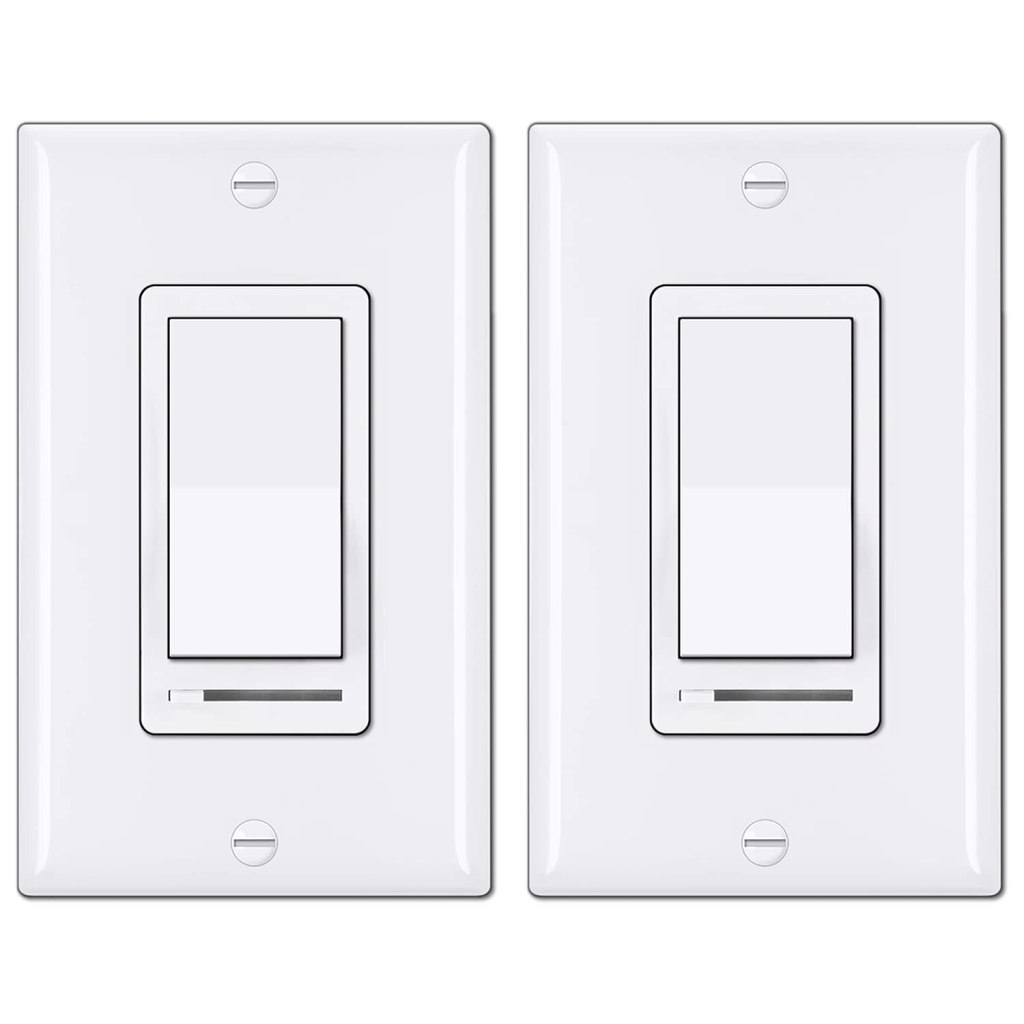
- Install dimmer switches and use lower light settings whenever possible to save more energy.
- Use natural light during the day by opening blinds and curtains, which can also boost your mood and productivity.
3. Reconsider Your Cleaning Supplies
Traditional cleaning products can be harmful to the environment and your health. Instead:
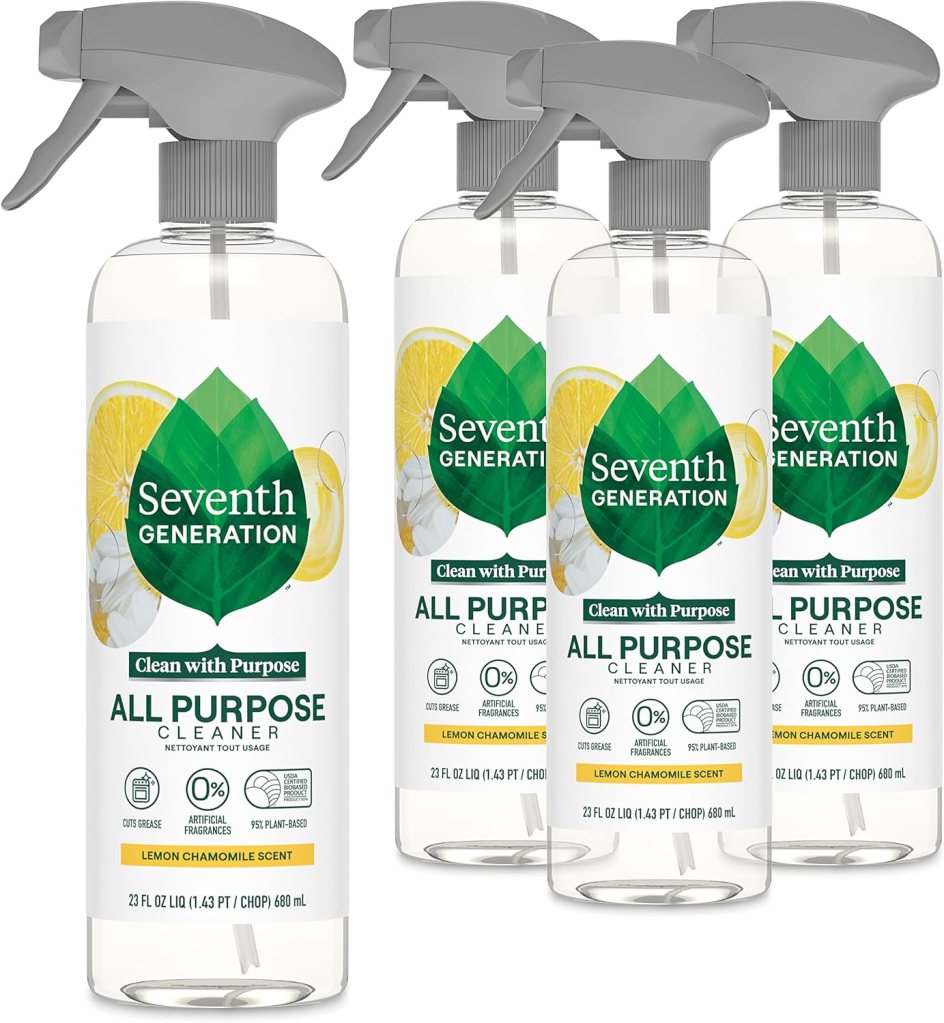
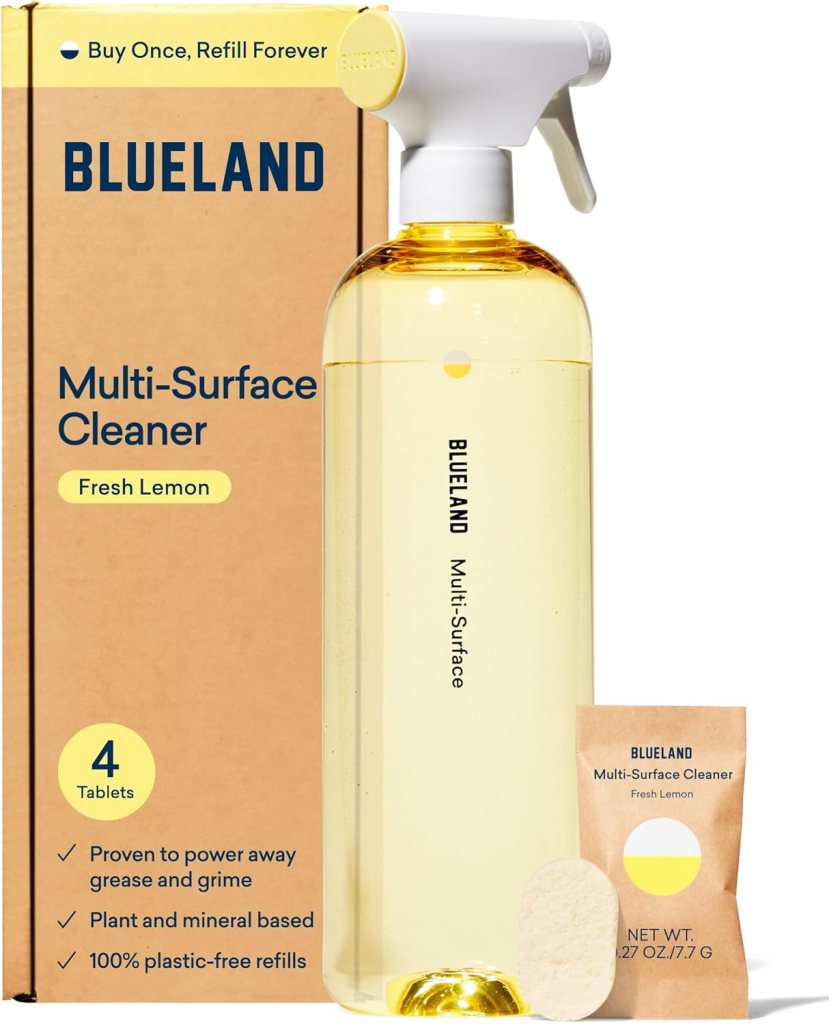
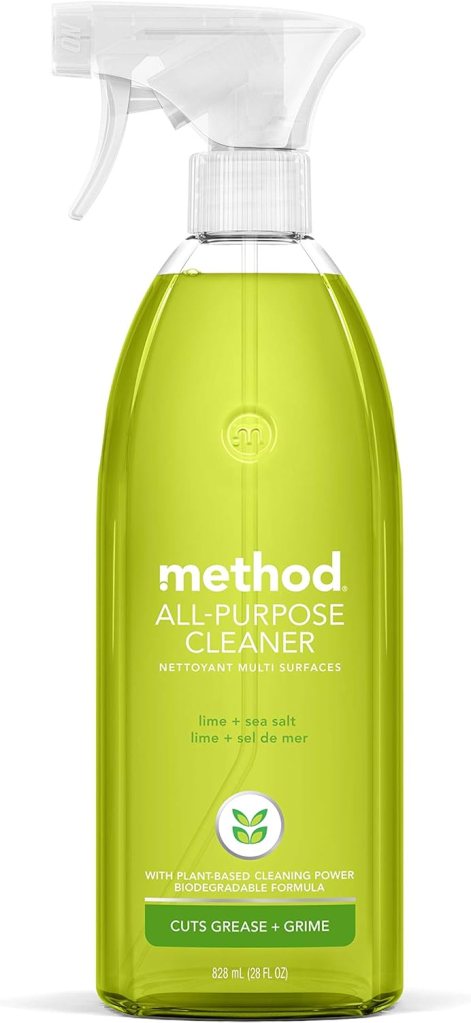
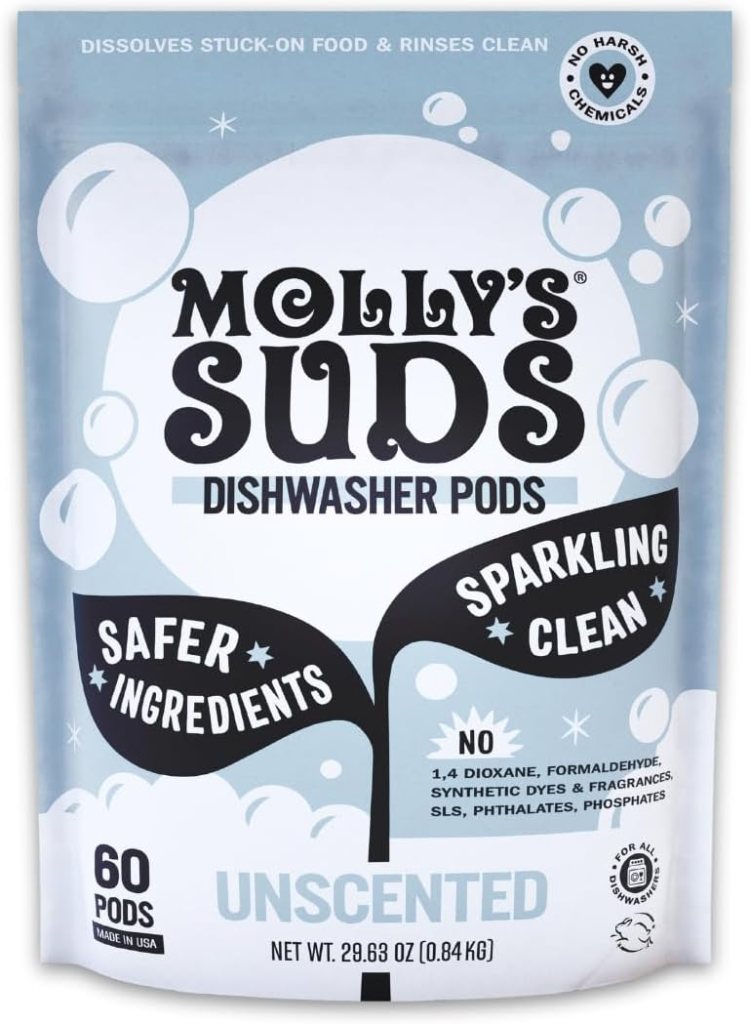
- Choose eco-friendly, non-toxic cleaning products that use plant-based ingredients.
- Make your own cleaning solutions using household staples like vinegar, baking soda, and lemon. For instance, a mixture of vinegar and water can be an excellent all-purpose cleaner.
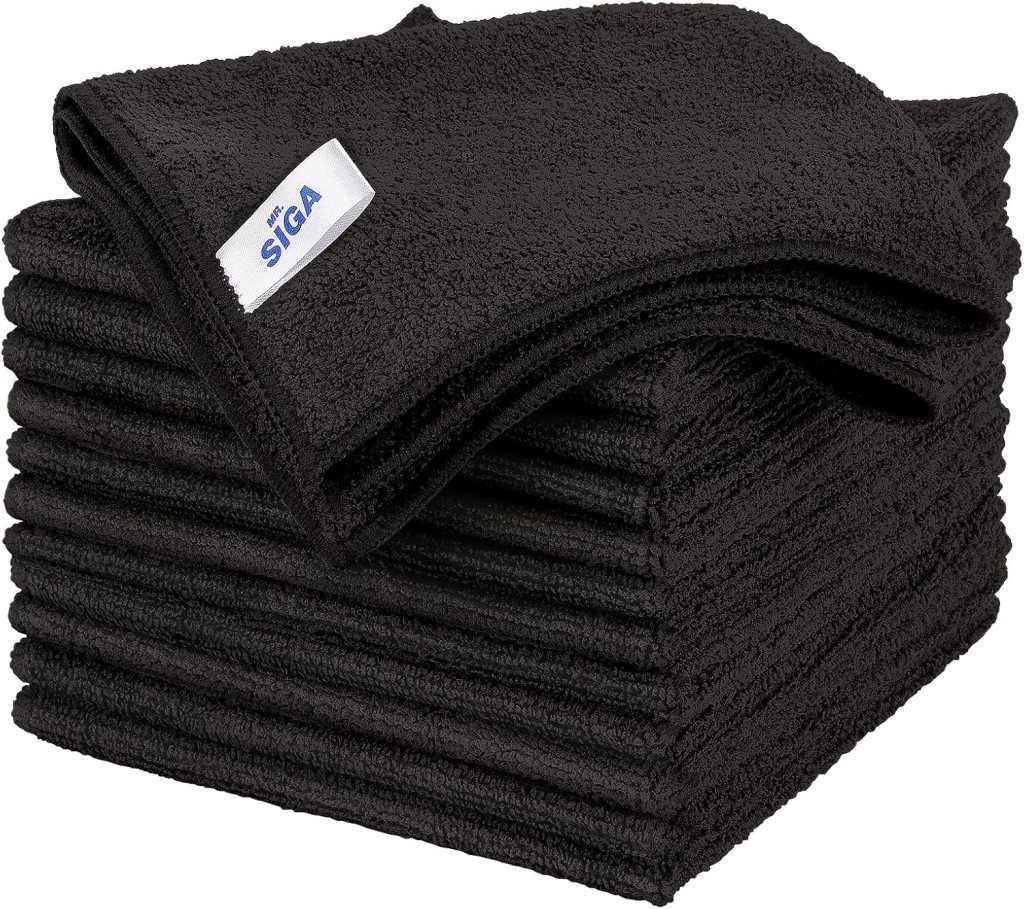
- Avoid single-use wipes and paper towels, and opt for reusable cloths and sponges instead.
4. Reduce Food Waste
Food waste contributes to greenhouse gas emissions. A few strategies to combat this:
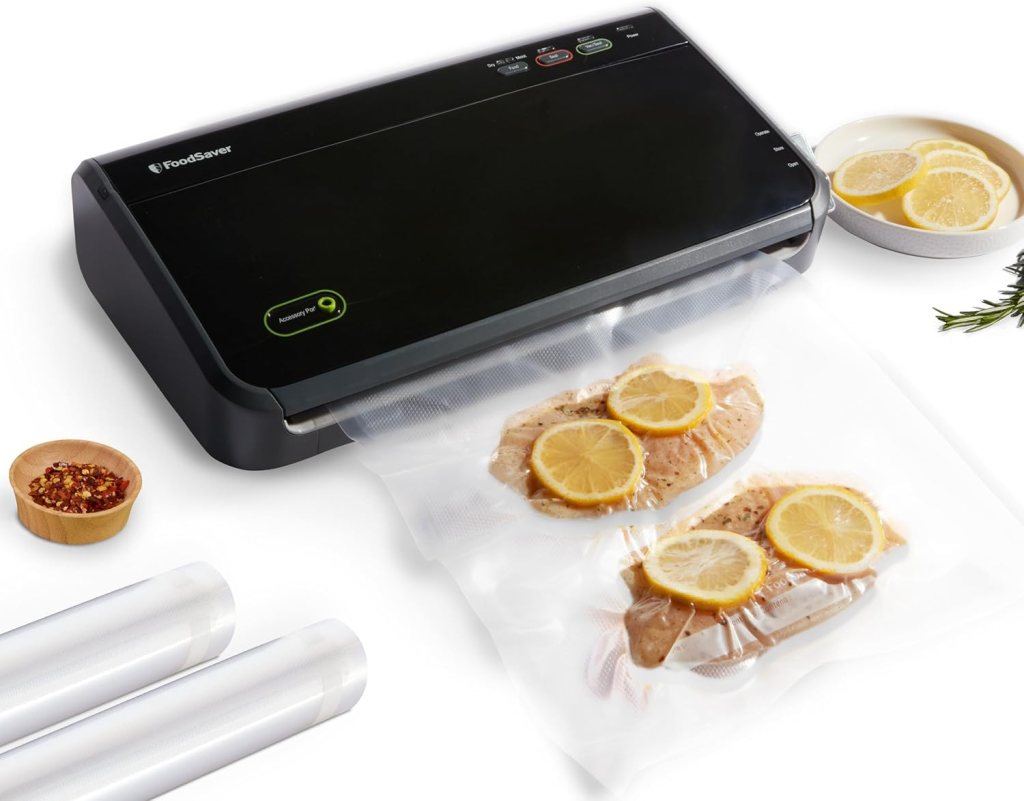
- Plan your meals and make a shopping list to buy only what you need.
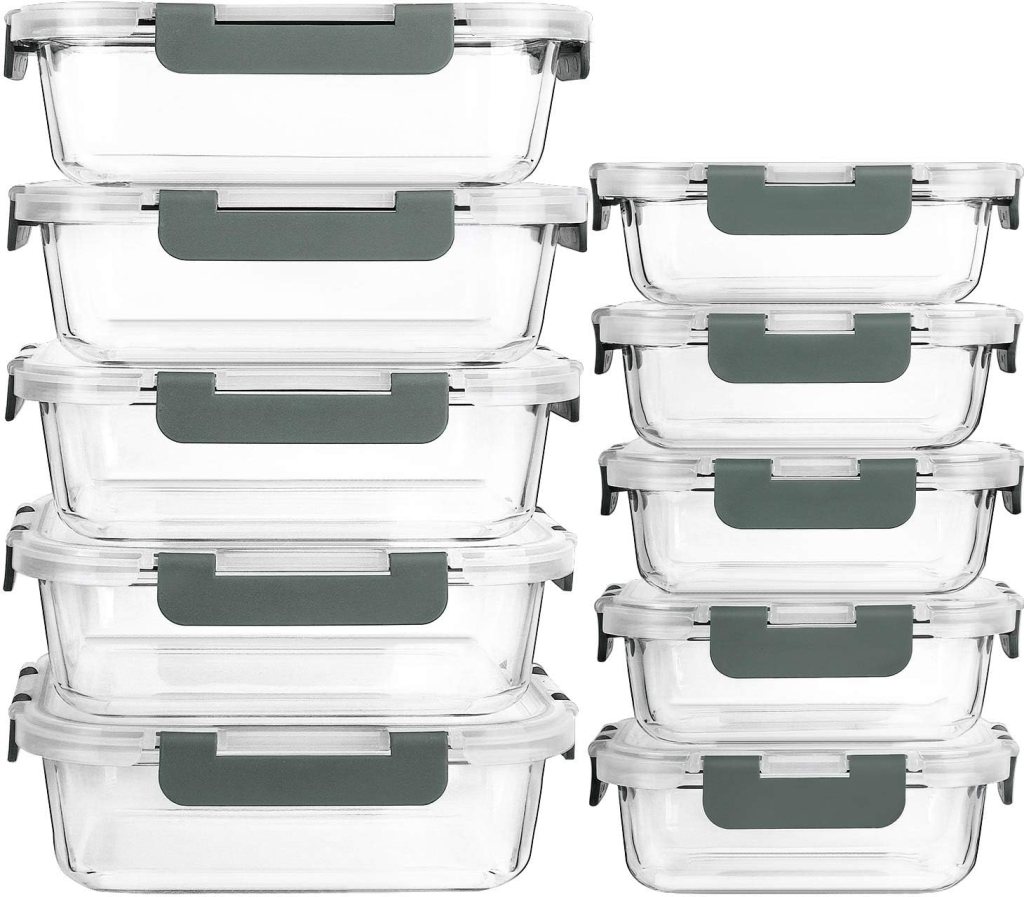
- Store food properly to maximize its shelf life. For example, keep herbs fresh by wrapping them in damp paper towels.
- Compost food scraps instead of tossing them in the trash. This enriches your garden soil while reducing landfill waste.

5. Use Eco-Friendly Laundry Practices
Laundry is a major energy and water consumer in any household. Here’s how to make it greener:
- Wash clothes in cold water when possible to save on heating costs.
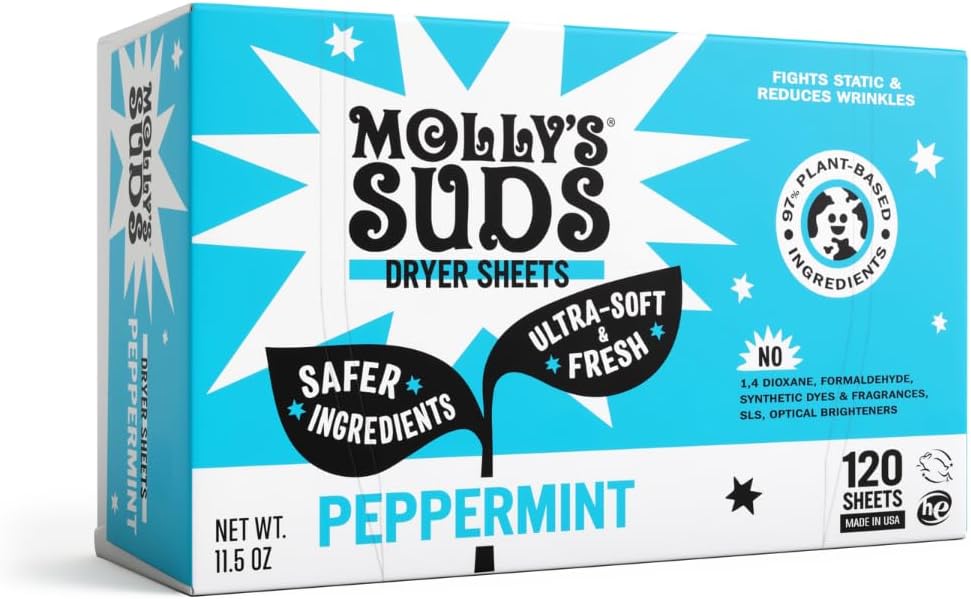
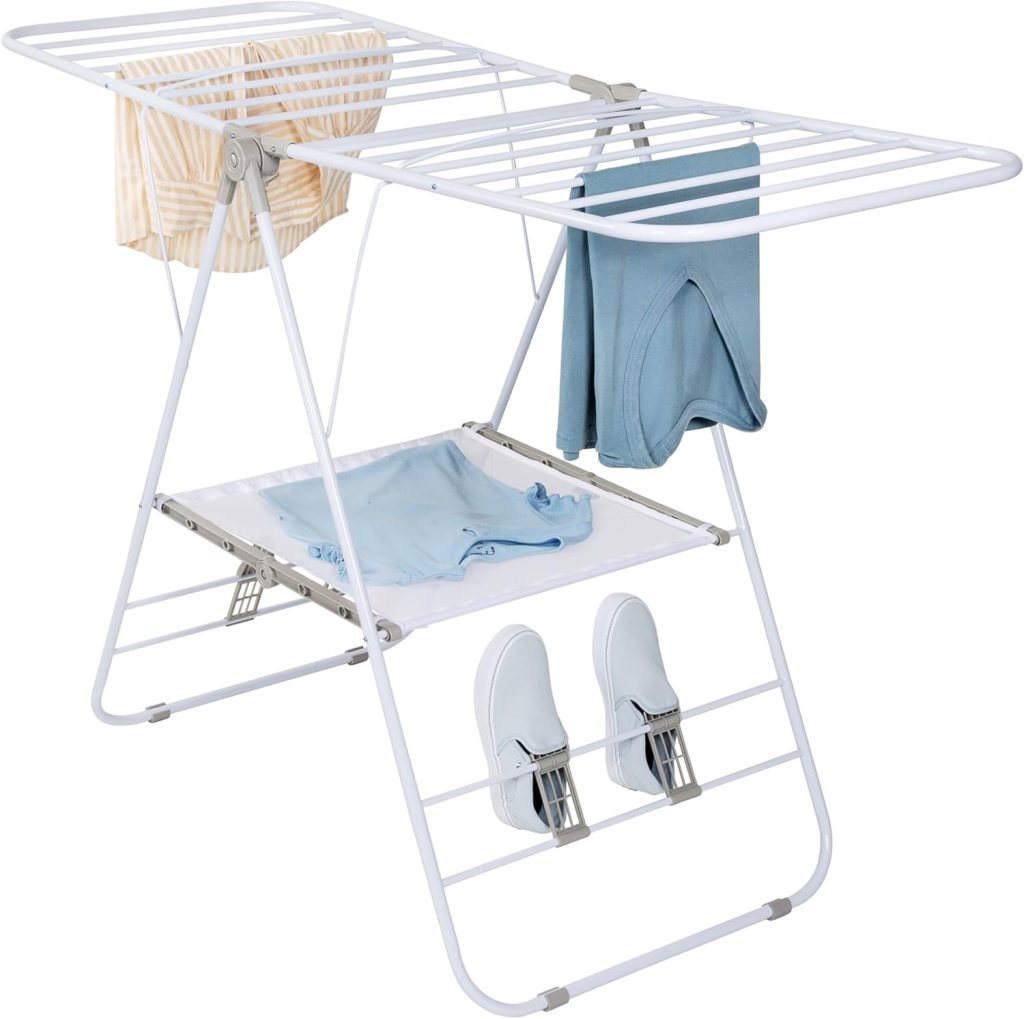
- Use a drying rack or clothesline instead of a dryer to reduce electricity use.
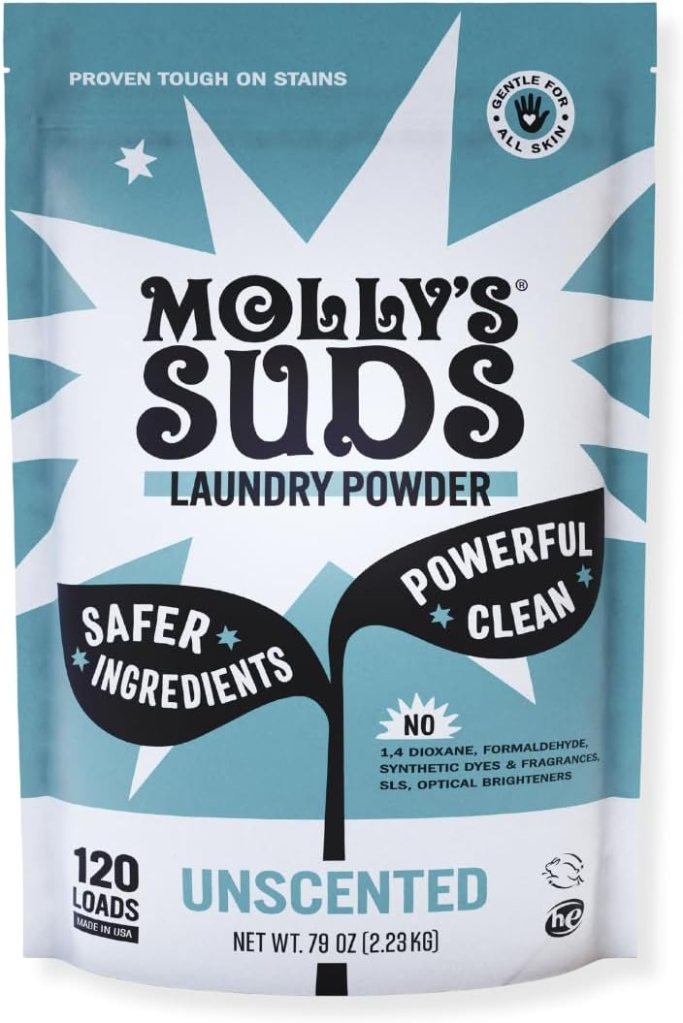
- Switch to biodegradable, natural laundry detergents that are free from harsh chemicals, making them gentler on both your clothes and the planet.
6. Choose Sustainable Furniture and Decor
When it’s time to furnish or redecorate, consider eco-friendly materials and practices:
- Look for furniture made from reclaimed or responsibly sourced wood.
- Buy secondhand furniture or repurpose what you already have to minimize waste.
- Choose natural fiber textiles like organic cotton, wool, or jute for rugs, curtains, and upholstery.
7. Reduce Your Paper Use
Paper waste is a significant contributor to deforestation. Here are some ways to cut down:
- Opt for digital bills, statements, and documents to reduce paper use.
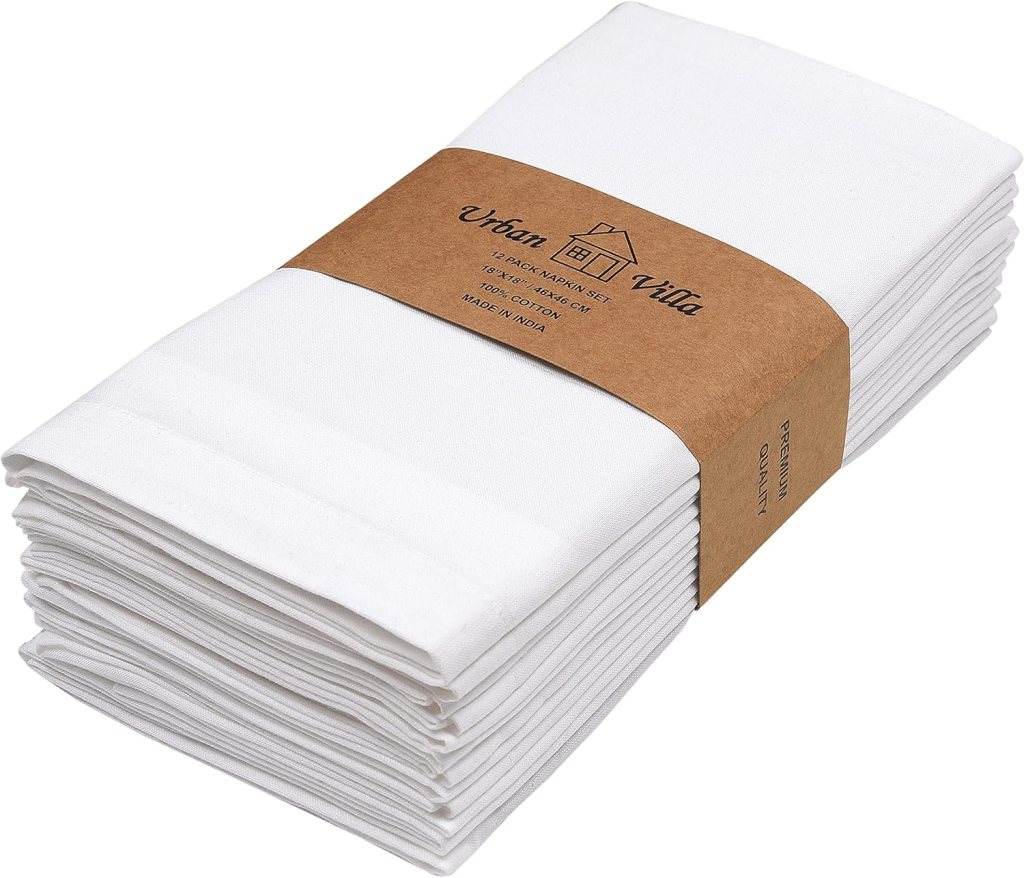
- Use cloth napkins and towels instead of disposable paper products.
- If you must print, use both sides of the paper and recycle when done. This can reduce your paper usage by up to 50%.
8. Mindful Energy Use
Reducing your energy consumption helps both the planet and your wallet. Try these tips:
- Unplug devices and chargers when not in use, as they can still consume energy even when turned off.
- Use a programmable thermostat to control your home’s temperature based on your schedule.
- Close doors and windows tightly during winter to keep your home warm without excessive heating, and use fans to circulate air in the summer.

9. Bring Plants Indoors
Houseplants can purify indoor air and create a calming environment:
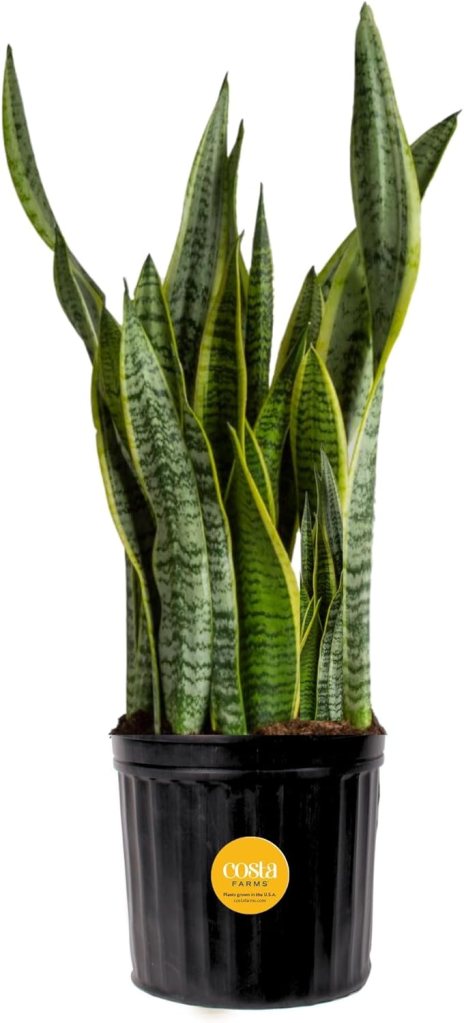
- Choose low-maintenance indoor plants like snake plants, peace lilies, or spider plants that don’t require much water.
- Place plants near windows to maximize natural light and support growth.
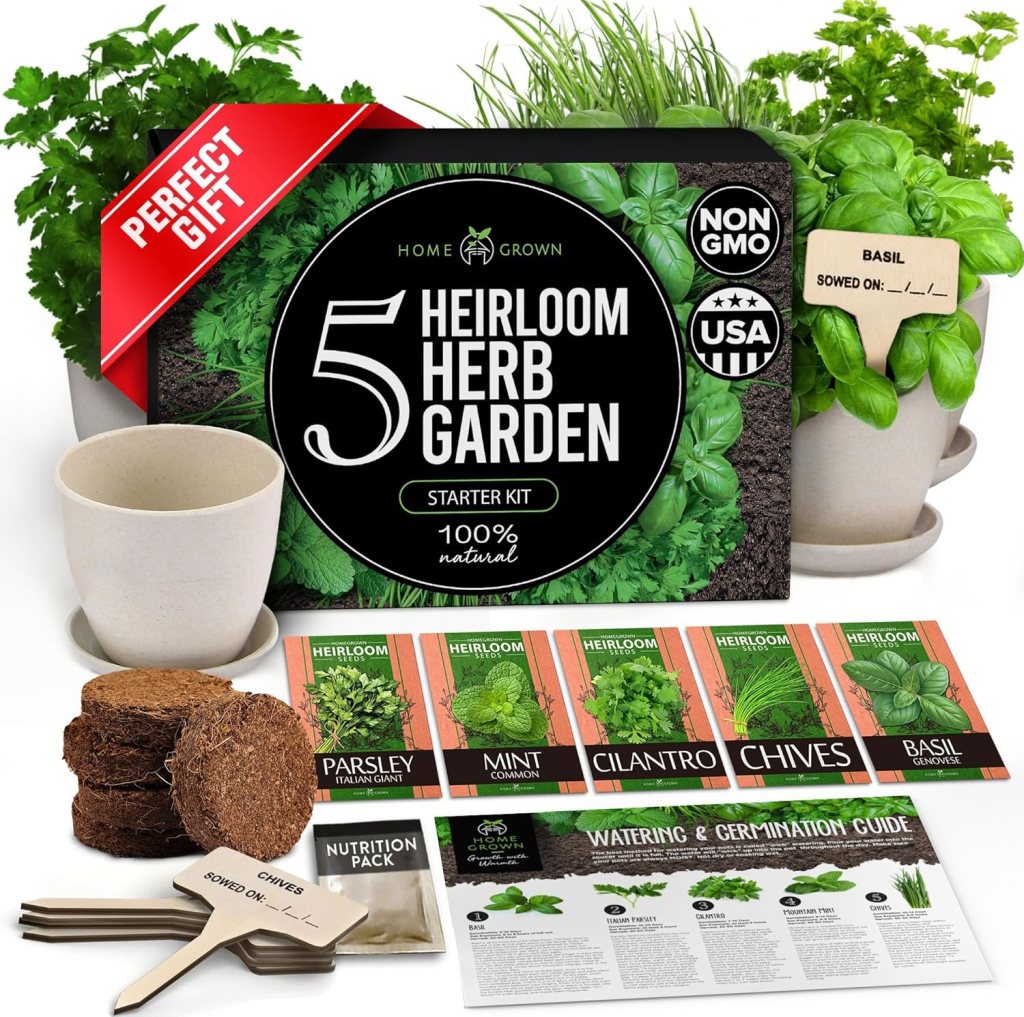
- Consider starting a small indoor herb garden for fresh herbs that are easy to grow and sustainable.
10. Conserve Water
Freshwater is a limited resource, and conserving it can make a significant impact. Try these steps:
- Install low-flow showerheads and faucet aerators to reduce water use without compromising pressure.
- Fix leaky faucets and pipes promptly. Even a slow drip can waste gallons of water each day.
- Reduce your shower time by just a few minutes to save hundreds of gallons annually.

Conclusion
By making these eco-friendly adjustments, you’ll be taking steps toward a more sustainable lifestyle. Spread the word by gifting sustainable items to family and friends—think a sleek metal water bottle, reusable grocery bags, eco-friendly cleaning cloths, or beeswax wraps. Every little change adds up and brings us closer to a more sustainable lifestyle.
 GOODIE LIVING