

As the world rapidly evolves due to technological advancements, particularly in artificial intelligence (AI), many of us are left wondering what the future holds—not just for our children, but also for those of us who are in the midst of our careers. The question of what careers will be available when our children grow up is closely linked to what we, as mid-life professionals, can do to adapt and thrive in the next 20 to 30 years. According to predictions by AI and experts in various fields, the jobs of the future will be vastly different from those we know today. Here’s a glimpse into what the next century might bring and what both young children and mid-life individuals can aspire to as they navigate this changing landscape.
The Rise of AI and Automation
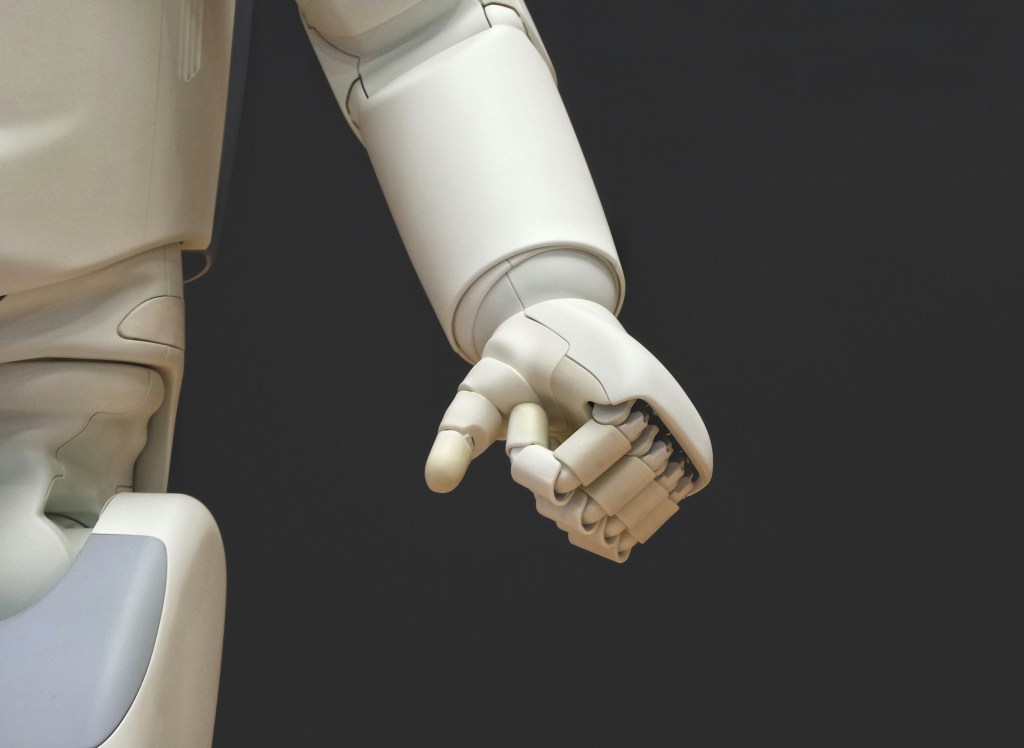
One of the most significant changes we are likely to see is the integration of AI and automation across all industries. Routine and repetitive tasks will increasingly be handled by machines, freeing up humans to focus on more complex, creative, and interpersonal roles. According to a study by the World Economic Forum, 85 million jobs could be displaced by automation by 2025, but 97 million new roles may emerge that are more adapted to the new division of labor between humans, machines, and algorithms.
For mid-life professionals, this shift presents both challenges and opportunities. Those whose careers involve repetitive tasks or manual labor may need to retrain or upskill to stay relevant. Transitioning into roles that require creativity, strategic thinking, or emotional intelligence could be a viable path forward. Meanwhile, for children who show an interest in technology, careers in AI development or AI ethics could be both rewarding and impactful.
RELATED: Essential Interview Tips for Today’s Tech-Savvy Job Market
Careers in AI Development and Ethics
As AI continues to evolve, there will be a growing demand for professionals who can design, program, and maintain these intelligent systems. However, it’s not just about technical expertise; there will also be a critical need for AI ethicists. These professionals will work to ensure that AI systems are developed and deployed in ways that are fair, transparent, and beneficial to society.
For mid-life workers, the prospect of entering a new field like AI might seem daunting, but it’s also a chance to participate in shaping the future. With many online courses and certification programs available, gaining new skills in AI development or ethics could open up new career paths. For children interested in technology and ethics, these fields will offer a chance to make a meaningful impact on society.
Environmental Science and Sustainability

The effects of climate change are already being felt around the world, and the next century will likely see a continued focus on environmental sustainability. Careers in environmental science, renewable energy, and sustainability will be crucial. Children today may grow up to become climate scientists, environmental engineers, or sustainability consultants. For mid-life professionals, transitioning into roles that contribute to environmental sustainability could provide a sense of purpose and relevance in a world increasingly focused on combating climate change.
These roles will involve developing new technologies and strategies to mitigate the impact of human activity on the planet, making them essential in the fight against climate change. For those looking to make a mid-career shift, fields like renewable energy or environmental consulting offer opportunities to contribute to a healthier planet while ensuring career longevity.
Biotech and Health Innovation
The field of biotechnology is expected to experience significant growth, with advances in gene editing, personalized medicine, and regenerative therapies leading the way. Future careers might include genetic counselors who guide patients through complex medical decisions based on their genetic profiles, or bioengineers who design synthetic organs and tissues. As healthcare becomes more personalized, roles that combine biology with data science will become increasingly important.
For mid-life professionals already working in healthcare or related fields, upskilling in biotechnology or health data analytics could be a way to stay competitive and continue making valuable contributions to society. For children interested in biology and health, these careers could offer the opportunity to make groundbreaking contributions to human health and longevity.
RELATED: 10 Essential Leadership Traits That Define Great Leaders
Space Exploration and Colonization

The dream of space exploration is becoming a reality, with companies like SpaceX and NASA working towards missions to Mars and beyond. In the next 100 years, we may see the establishment of colonies on other planets, creating new opportunities for careers in space exploration. Roles might include space architects, who design habitats for extraterrestrial environments, or space lawyers, who navigate the legal complexities of human activity in space.
For mid-life professionals, transitioning into the space industry might seem like a leap, but with the right training and background in engineering, law, or science, it could be a thrilling new chapter in a career. For children fascinated by the stars, a career in the space industry could be an exciting path to explore.
Virtual Reality (VR) and Augmented Reality (AR) Design

As VR and AR technologies advance, they will likely become integral to many aspects of daily life, from education to entertainment to work. This will create demand for VR and AR designers who can craft immersive experiences. These professionals will work at the intersection of technology, design, and storytelling, creating new worlds for people to explore.
For mid-life professionals with a background in design or technology, branching into VR and AR design could offer an exciting new avenue for career growth. Meanwhile, children drawn to creative fields and technology might find fulfilling careers in VR and AR design.
Data Science and Cybersecurity

With the exponential growth of data, data science will continue to be a critical field. Data scientists will analyze vast amounts of information to uncover insights that drive decision-making across industries. Similarly, as digital information becomes more valuable, cybersecurity will be paramount. Cybersecurity experts will protect sensitive data from cyber threats, a role that will only grow in importance as the world becomes more interconnected.
For mid-life professionals in the IT field, transitioning into data science or cybersecurity could provide job security and the opportunity to tackle some of the most pressing challenges of the digital age. For children with an analytical mind and an interest in problem-solving, these careers could be highly lucrative and impactful.
Emotional Intelligence and Human-Centric Roles

While technology will play a significant role in the future, there will always be a need for human-centric roles that require emotional intelligence, empathy, and interpersonal skills. Careers in mental health, coaching, and caregiving will remain essential, as these are areas where human connection is irreplaceable.
For mid-life professionals, especially those already working in people-focused roles, there will continue to be demand for their expertise, perhaps even in new capacities such as AI-assisted therapy or digital well-being coaching. For children who are naturally empathetic and enjoy helping others, these careers will offer a chance to make a meaningful difference in people’s lives.
The Future of Education
As the world changes, so too will education. Future educators will need to adapt to new technologies and methods of teaching, perhaps specializing in personalized education plans driven by AI. Teachers of tomorrow might work alongside AI tutors, focusing on nurturing creativity, critical thinking, and social skills.
For mid-life educators, the shift toward technology-enhanced learning offers an opportunity to embrace new tools and methods, ensuring that they remain relevant and effective in their roles. For children interested in learning and teaching, these careers could be both dynamic and rewarding.
Conclusion
While it’s impossible to predict the future with absolute certainty, it’s clear that the jobs of tomorrow will be shaped by the technologies and challenges of today. As parents and professionals, we can encourage our children to develop a diverse set of skills, including creativity, critical thinking, and emotional intelligence, alongside technical expertise. By doing so, we prepare them not just for a single career, but for a lifetime of opportunities in a rapidly changing world.
For mid-life individuals, the prospect of change can be daunting, but it also brings opportunities for growth, reinvention, and continued relevance. By staying adaptable and open to learning, we can navigate the shifts in the job market and ensure that our careers remain fulfilling and sustainable.
The future of work, as seen through the lens of AI, is both exciting and full of potential. It offers a world where our children can pursue careers that not only provide for their livelihoods but also allow them to make meaningful contributions to society. As we look ahead, we can help guide them—and ourselves—towards a future where we not only thrive but also shape the world in positive ways.
Sources:
- World Economic Forum. “The Future of Jobs Report 2020.”
- PwC. “Workforce of the Future: The Competing Forces Shaping 2030.”
- McKinsey Global Institute. “Jobs Lost, Jobs Gained: Workforce Transitions in a Time of Automation.”
 GOODIE LIVING