
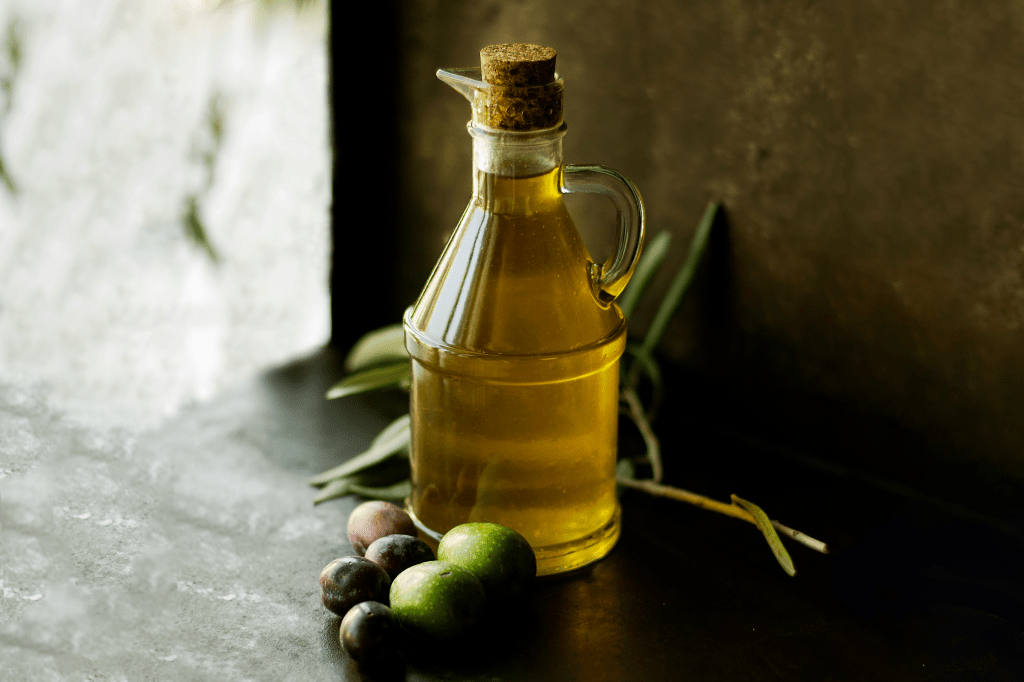
Selecting a good olive oil involves choosing the right type, such as extra virgin olive oil for its superior quality and health benefits. Key factors to consider include the geographical origin, harvest date, and certifications like organic or PDO/PGI labels. It’s important to note that many olive oils are often mixed with seed or canola oils. To ensure higher purity and quality, choose a brand that sources its oil from a single farm rather than from multiple countries. Sensory evaluation of color, aroma, and taste helps determine the freshness and quality of the oil, while practical tips like choosing proper packaging and storage ensure you get the best value and flavor from your olive oil.
Types of Olive Oil:
- Extra Virgin Olive Oil (EVOO): The highest quality, cold-pressed without chemicals, offering superior taste and health benefits.
- Virgin Olive Oil: Also cold-pressed but with slightly higher acidity, making it a good choice for cooking.
- Refined Olive Oil: Chemically processed to remove impurities, resulting in a milder flavor and lower nutritional value.
- Pure Olive Oil: A blend of virgin and refined oils, suitable for general cooking but not ideal for flavor-rich dishes.
top sellers on amazon
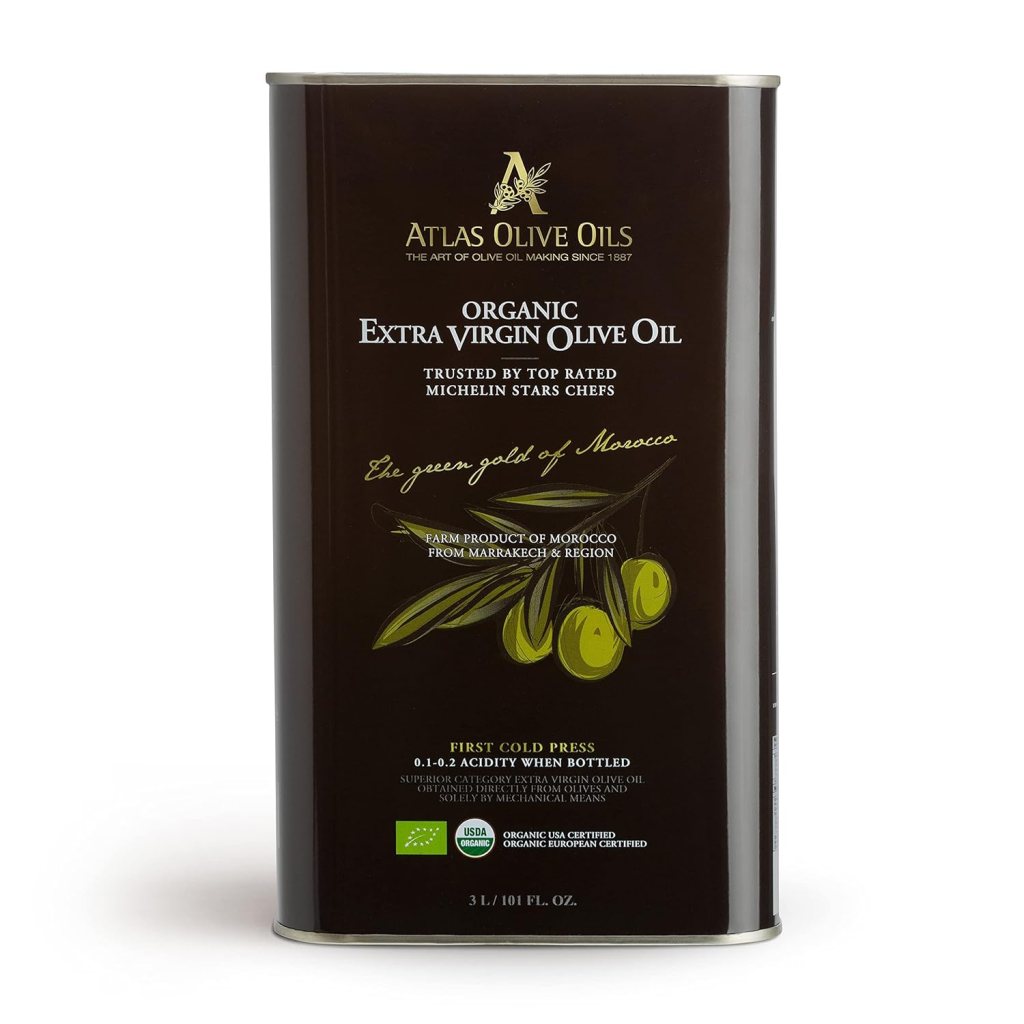
Atlas 3 LT Organic Cold Press Extra Virgin Olive Oil with Polyphenol Rich from Morocco | Newly Harvested Unprocessed from One Single Family Farm | Organic EVOO | Trusted by Michelin Star Chefs
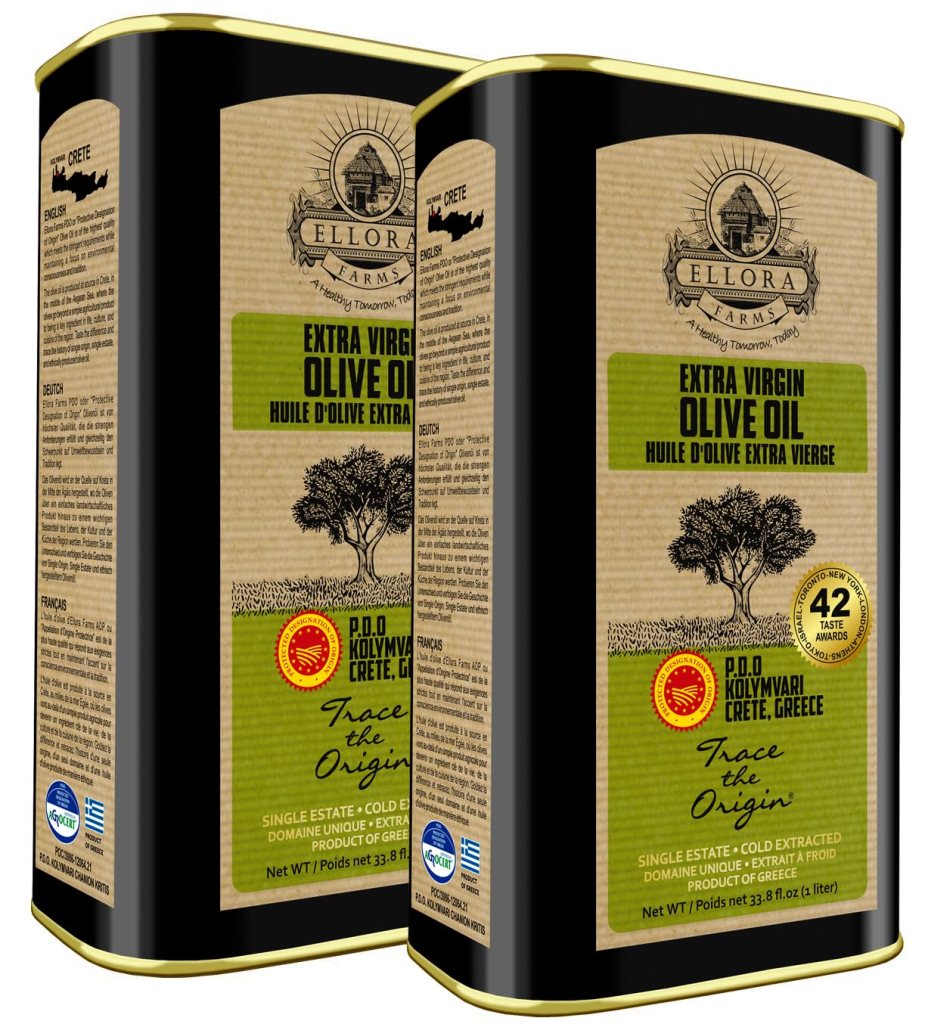
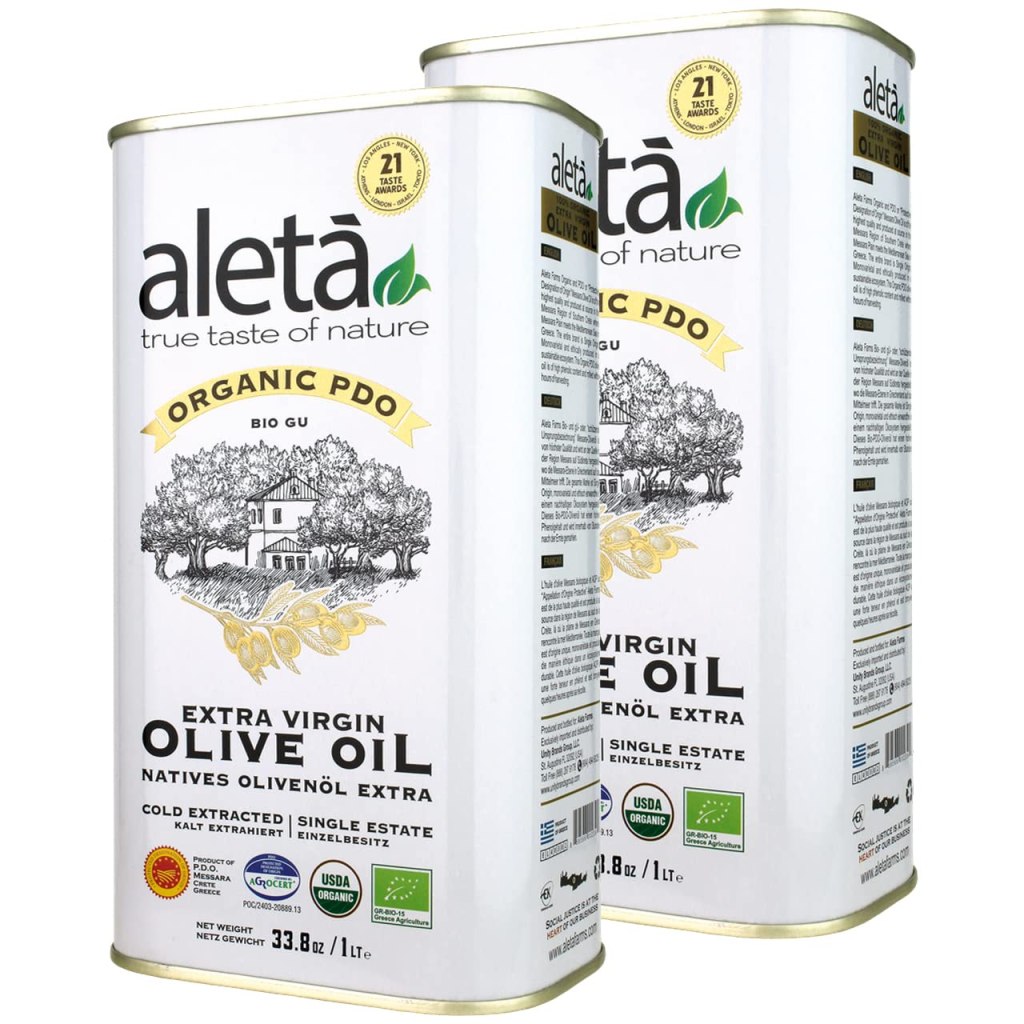
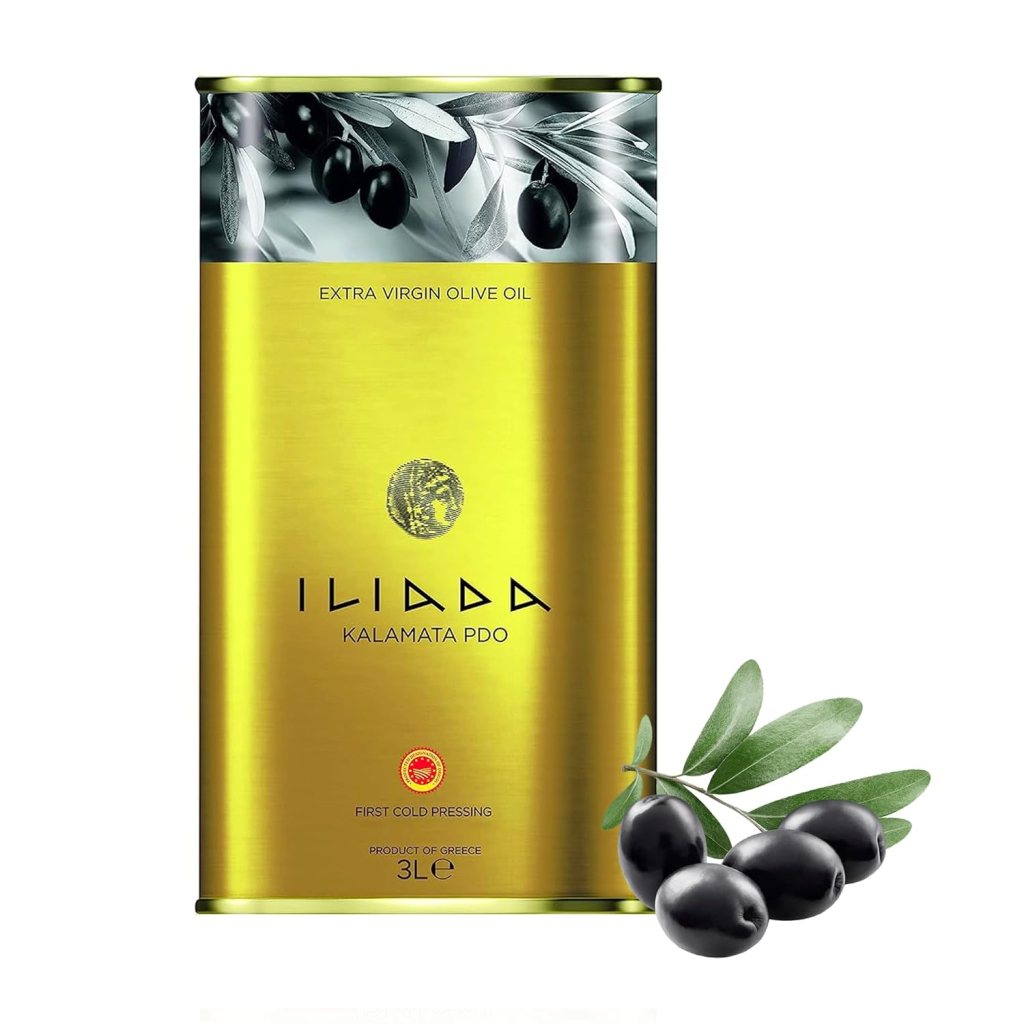
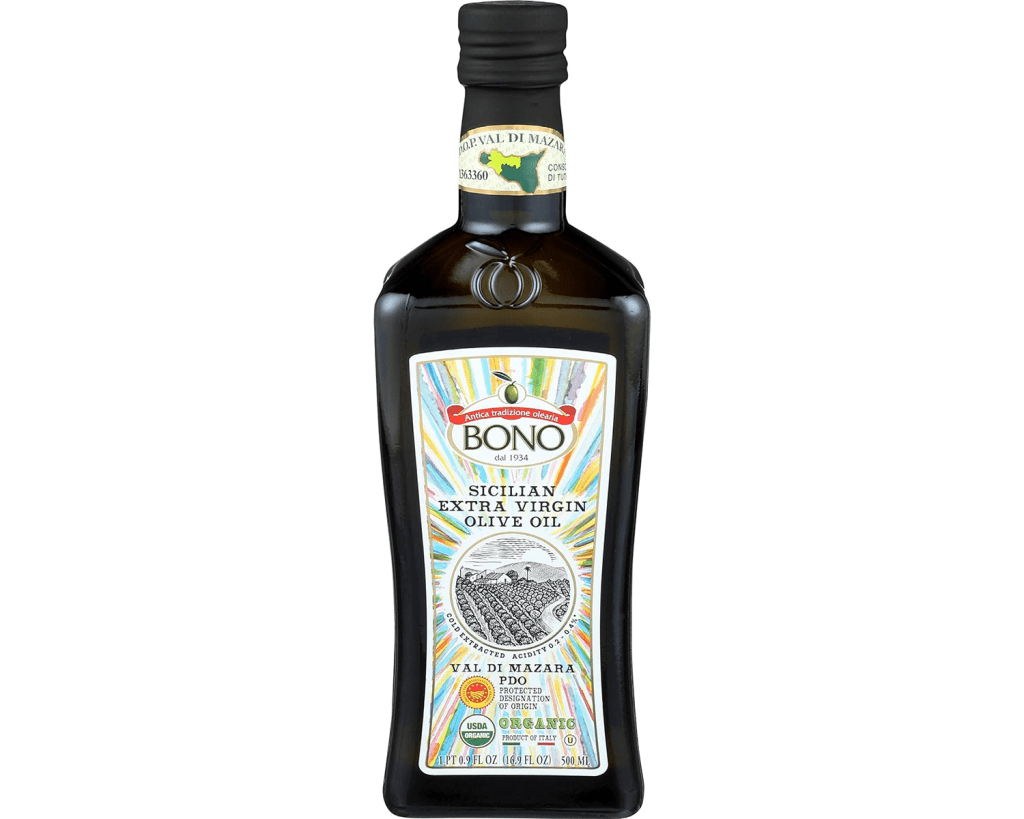
Factors to Consider
Origin and Harvest Date
- Geographical Origin: Look for olive oil from regions known for high-quality production, such as Italy, Spain, Greece, and California.
- Harvest Date: Freshness matters. Choose olive oil with a recent harvest date (within 18 months) for the best flavor and nutritional benefits.
Labels and Certifications
- Organic Certification: Indicates the oil is made from olives grown without synthetic pesticides or fertilizers.
- PDO/PGI Designation: Protected Designation of Origin (PDO) or Protected Geographical Indication (PGI) labels ensure the oil is produced in specific regions with traditional methods.
- Third-Party Certifications: Look for seals from organizations like the North American Olive Oil Association (NAOOA) or the International Olive Council (IOC) for quality assurance.
Sensory Evaluation
- Color: While color isn’t the best indicator of quality, fresh olive oil can range from green to golden.
- Aroma: Good olive oil should have a fresh, fruity aroma with hints of grass, herbs, or ripe fruits.
- Taste: Look for a balance of fruitiness, bitterness, and pepperiness. A slight tingling sensation in the throat is a sign of high polyphenol content.
Practical Tips
- Packaging: Choose oil in dark glass bottles or tins to protect it from light, which can degrade quality.
- Storage: Store olive oil in a cool, dark place to maintain its freshness and extend its shelf life.
- Price vs. Quality: Higher prices often reflect better quality, but always check labels and certifications to ensure you’re getting good value.
Common Myths
- “Light” Olive Oil: This term refers to the flavor and color, not calorie content. It usually indicates a more refined oil with less flavor.
- Color as Quality Indicator: Don’t judge quality by color alone; rely on taste, aroma, and certifications.
Conclusion
Selecting a good olive oil involves understanding the different types, paying attention to origin and harvest dates, and considering labels and certifications. By evaluating the sensory characteristics and following practical storage tips, you can enjoy the full benefits of high-quality olive oil in your culinary endeavors.
 GOODIE LIVING