
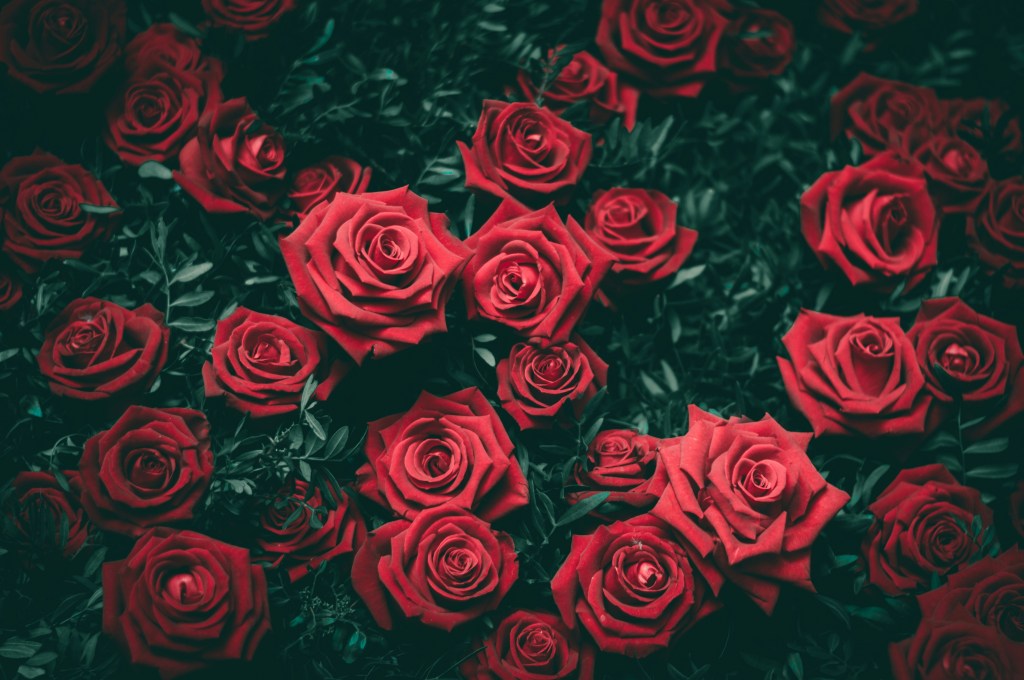
Floriography, or the symbolism of flowers, was a pivotal aspect of Victorian culture, serving as a unique means of communication in a society known for its strict social codes and etiquette. This enchanting practice allowed individuals to express feelings and convey messages through the symbolic language of flowers, which was especially significant in matters of romance and courtship.
- The Essence of Floriography
- Historical Roots and Influences
- Pioneering Works and Floral Dictionaries
- Modern Books About Flower Symbolism
- Symbolism in Flowers
- Role in Social Etiquette and Courtship
- Literary and Artistic Influences
- The Legacy of Floriography
- Conclusion
The Essence of Floriography
The Victorian era, marked by the reign of Queen Victoria from 1837 to 1901, was characterized by rigid moral codes and a conservative social structure. In this context, floriography emerged as a subtle and nuanced form of communication, enabling people to express emotions and sentiments that could not be spoken aloud due to social constraints. Flowers, with their diverse colors, forms, and fragrances, were assigned specific meanings, which were then used to convey messages ranging from love and admiration to rejection and disdain.
Flowers, with their diverse colors, forms, and fragrances, were assigned specific meanings, which were then used to convey messages ranging from love and admiration to rejection and disdain.
RELATED ARTICLE: The Art of Floral Arrangement: A Step-by-Step Guide to Creating Stunning Floral Displays
Historical Roots and Influences
While the concept of attributing meanings to flowers was not new (it has roots in ancient cultures, including the Ottoman Empire and China), it was in the Victorian era that it reached its zenith. Floriography was influenced by various cultural and literary sources, including Turkish “selam” (a system of assigning meanings to objects), French and English literature, and botanical works.
RELATED ARTICLE: Manifest Your Dreams: Understanding the Law of Attraction
Pioneering Works and Floral Dictionaries
The first floral dictionary, “Flora’s Dictionary,” was published by Elizabeth Washington Gamble Wirt in 1829. It was inspired by French sources and contained about 400 flowers and their meanings, along with poems and illustrations. Another significant work was “Le Langage des Fleurs” by Charlotte de Latour (a pseudonym for Louise Cortambert), published in 1819. This book was immensely popular and was translated into several languages, featuring over 800 flowers with accompanying anecdotes, legends, and historical facts.
Modern Books About Flower Symbolism
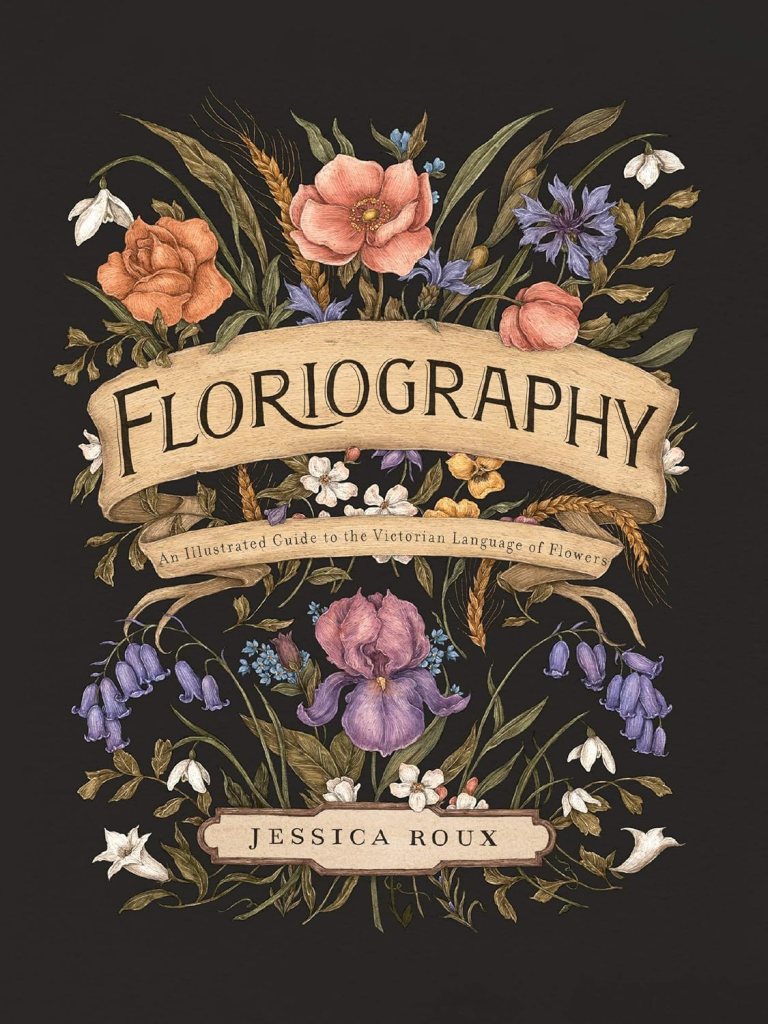
Floriography is a full-color guide to the historical uses and secret meanings behind an impressive array of flowers and herbs. The book explores the coded significances associated with various blooms, from flowers for a lover to flowers for an enemy.
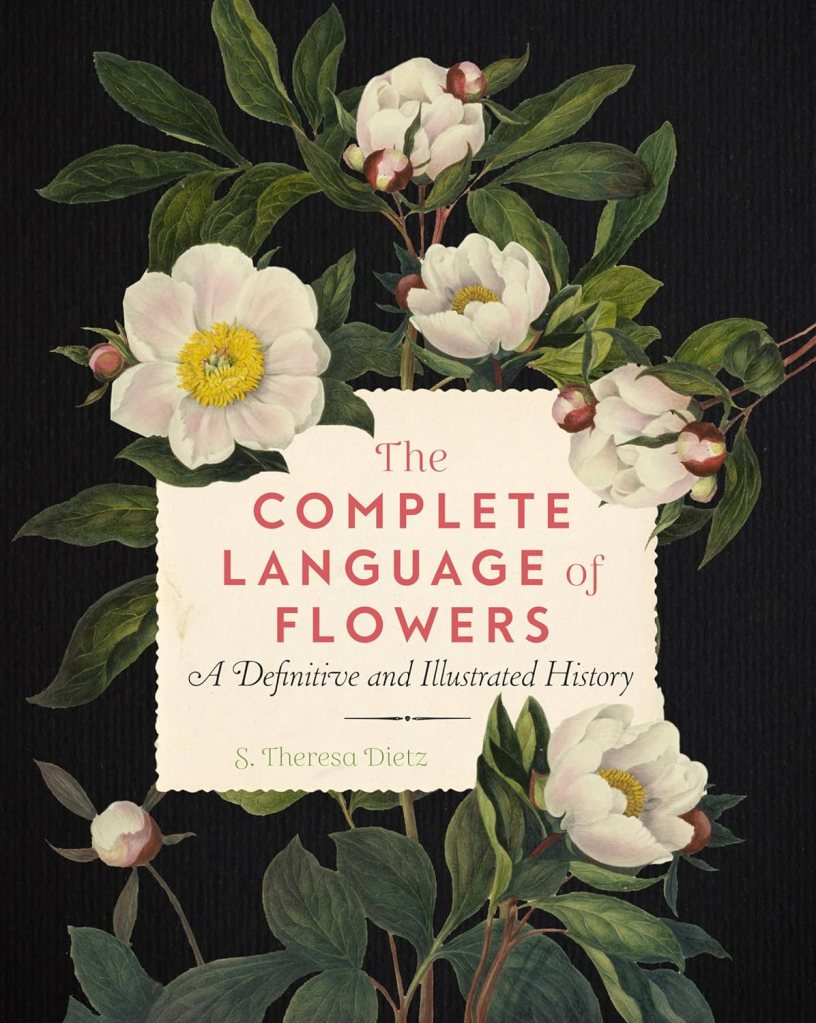
The Complete Language of Flowers is a comprehensive encyclopedia providing the meanings, powers, facts, and folklore for over 1,001 flower species.
Along with a beautiful visual depiction, each entry provides the flower’s scientific and common names, characteristics, and historic meanings and powers from mythology, medieval legends, folklore, and flower poetry.
Symbolism in Flowers
Each flower in the Victorian language had a unique meaning. For example, red roses symbolized love and passion, while lilies represented purity. Carnations varied in message depending on their color – red for admiration, white for purity, and yellow for rejection. More obscure flowers also held significant meanings: anemones for forsaken love, asters for daintiness, and camellias with their color-coded messages – red for a flame in the heart, white for adorableness, and pink for longing.
- Roses: Different colors of roses conveyed different messages. A red rose symbolized romantic love, while yellow roses suggested jealousy or a decrease in love. White roses stood for innocence and purity.
- Tulips: Generally, tulips symbolized love, but different colors had specific meanings. A red tulip was a declaration of love, while a yellow tulip meant “there’s sunshine in your smile.”
- Forget-Me-Nots: These were used to convey true love and remembrance, often sent by lovers to ensure they were not forgotten.
- Violets: Violets were symbols of faithfulness, modesty, and virtue. Sending violets could imply the sender’s loyalty and commitment.
- Daisies: Daisies symbolized innocence and purity. They were often used to convey a message of loyal love.
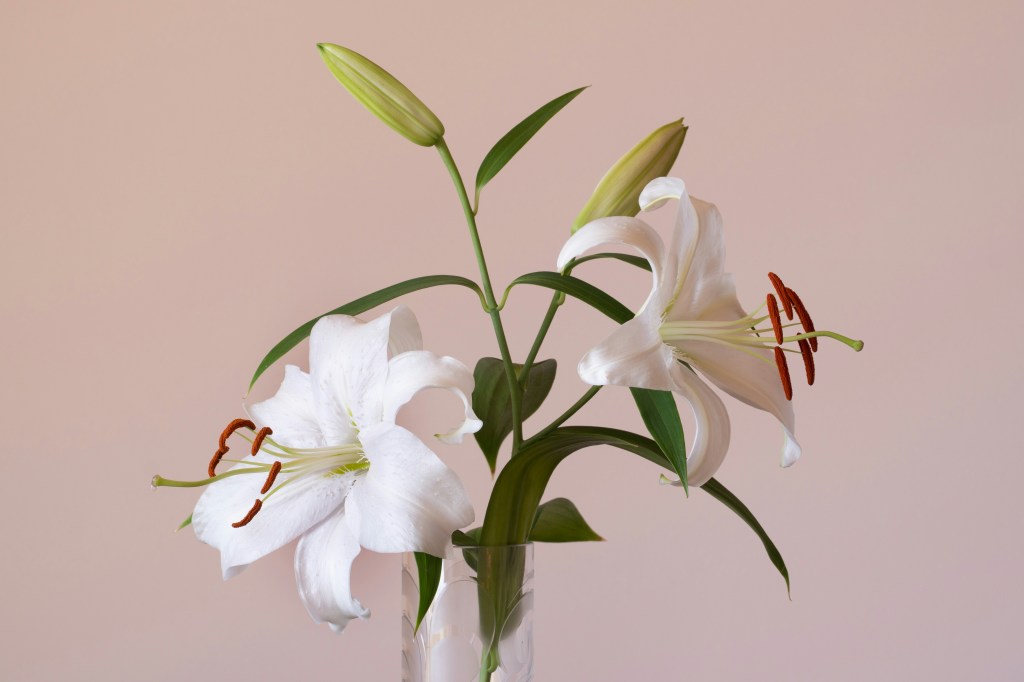
- Lilies: Lilies, particularly white ones, symbolized purity and sweetness. They were often used in courtship to suggest the noble intentions of the suitor.
- Chrysanthemums: In Victorian times, chrysanthemums conveyed friendship and well-wishing. Different colors had specific meanings, with red meaning love, white symbolizing truth, and yellow suggesting slighted love.
- Ivy: Ivy was used to signify fidelity and attachment, often included in bouquets to imply eternal loyalty.
- Sunflowers: Sunflowers symbolized adoration and loyalty, a message of being “brightly devoted” to someone.
- Orange Blossoms: These were often associated with marriage and fertility, commonly used in wedding arrangements to symbolize innocence and eternal love.
Role in Social Etiquette and Courtship
Floriography was deeply intertwined with Victorian social etiquette and courtship rituals. During this era, courting was a complex process governed by numerous rules and protocols. Flowers provided a discreet way for individuals to communicate their feelings. For instance, a bouquet of mixed flowers could send a detailed message based on the combination of blooms. The way a woman received a bouquet also held significance – for example, if a woman pinned a tussie-mussie (a small bouquet) over her heart, it was a declaration of love, whereas pinning it near the bosom signified friendship.
Literary and Artistic Influences
The language of flowers profoundly influenced Victorian literature and art. Writers like William Shakespeare, Jane Austen, and the Brontë sisters incorporated floral symbolism in their works. Similarly, Victorian painters, especially the Pre-Raphaelites, used flowers to convey subtle messages and emotions in their artwork, often reflecting the personality or situation of the subjects in their paintings.
RELATED ARTICLE: Jane Austen: Literary Luminary of the Regence Era
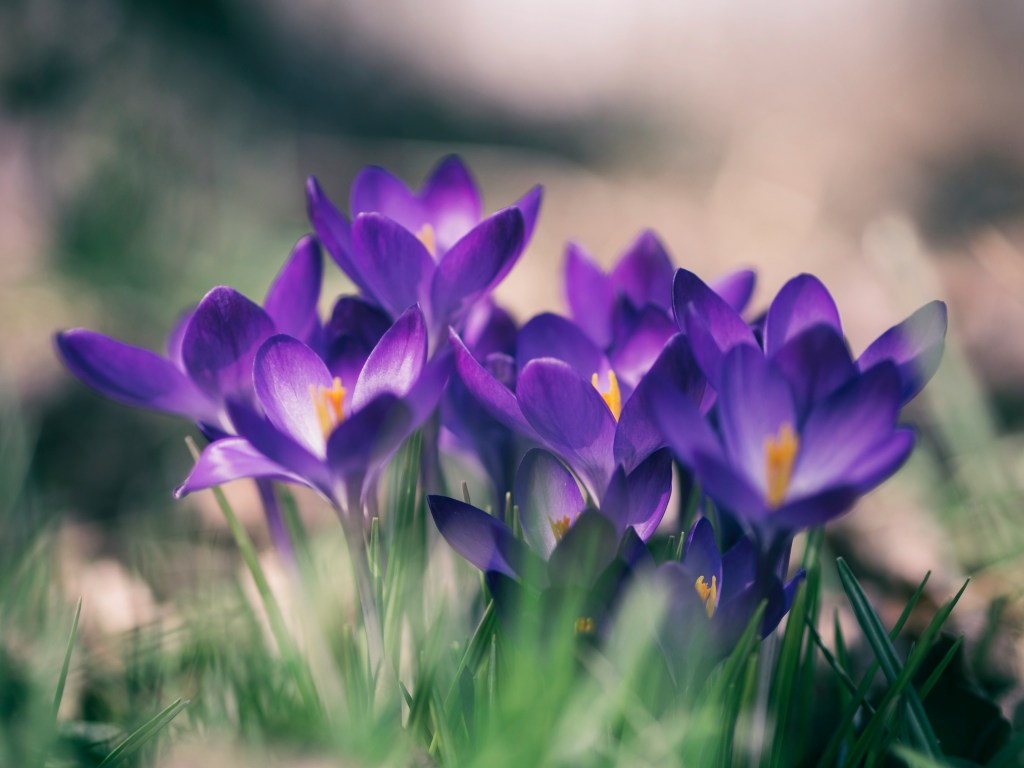
Violets feature prominently in William Shakespeare’s works, often symbolizing themes such as love, faithfulness, death, and the fleeting nature of life. Here are some notable instances of how violets are used in Shakespeare’s plays:
- Hamlet: In “Hamlet,” Ophelia mentions violets in her famous mad scene, Act 4, Scene 5. She says, “I would give you some violets, but they withered all when my father died.” This line symbolizes faithfulness and the transient nature of life. The violets withering with her father’s death may represent the loss of innocence and the fleeting nature of love and life.
- A Midsummer Night’s Dream: In “A Midsummer Night’s Dream,” violets are referenced in the context of the bed of flowers where Titania, the fairy queen, sleeps. The flowers, including violets, are described as sweet-smelling and beautiful, contributing to the enchanted, dream-like atmosphere of the play.
- Cymbeline: In “Cymbeline,” Act 4, Scene 2, Guiderius sings about flowers, including violets, in a song about the passage of life and death. The song reflects on how life is as transient as the blooming and wilting of flowers.
The Legacy of Floriography
While the practice of floriography has waned since the Victorian era, its legacy persists. Modern interpretations of flower symbolism still draw upon the foundations laid during this period. Valentine’s Day, weddings, and other ceremonial occasions often see the use of traditional flower meanings. The Victorian fascination with flowers also paved the way for modern horticulture and the widespread appreciation of botanical beauty.
Conclusion
Floriography in the Victorian era was more than just a fanciful hobby; it was a critical element of social communication and artistic expression. It allowed for the conveyance of complex emotions and messages in a society where direct expression was often constrained. Today, while we may not rely on flowers for covert conversations, the romanticism and charm of this language continue to enchant and influence our perceptions of flowers and their meanings.
 GOODIE LIVING