
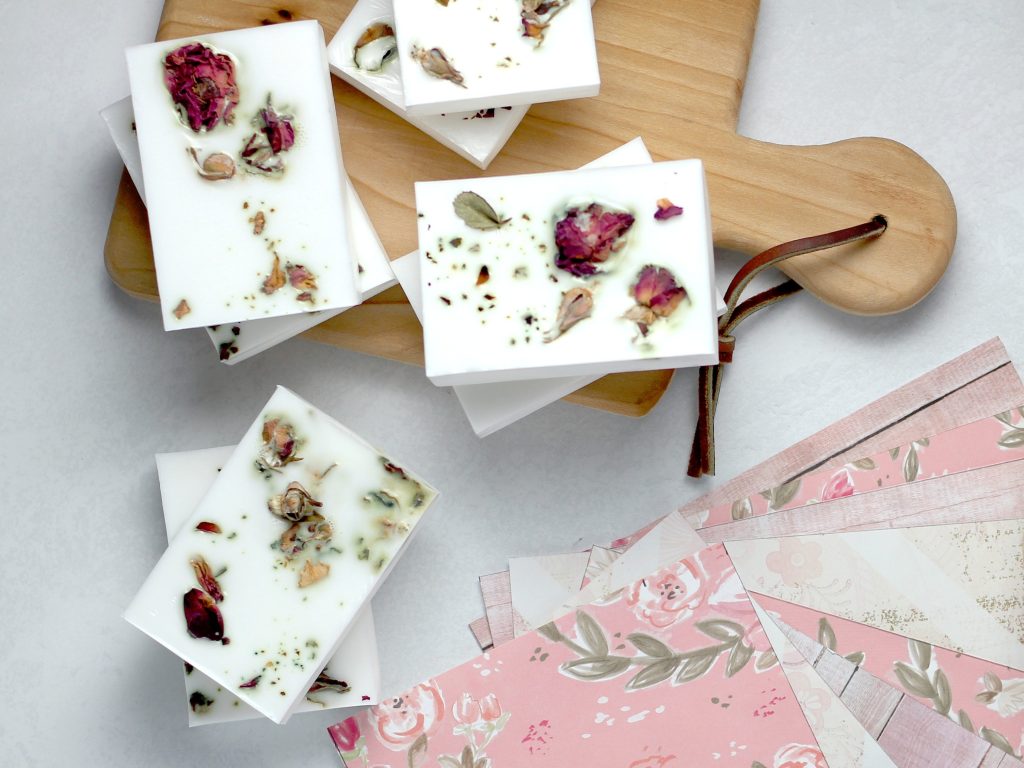
Soap making is a delightful and rewarding craft that combines creativity with practicality. Whether you’re looking to create custom soaps for personal use or as unique gifts, the process is simpler than you might think. With a few basic ingredients and tools, you can start making your own beautiful, handcrafted soaps. Here’s how you can dive into the world of soap making.
Essential Ingredients and Tools
Before you begin, gather the necessary ingredients and equipment:
- Soap Base: You can choose from various types like glycerin, shea butter, goat milk, or olive oil bases.
- Fragrance Oils or Essential Oils: These provide the scent for your soap.
- Colorants: Options include soap-safe dyes or natural colorants like clays or botanicals.
- Additives: You can add exfoliants (like oatmeal or coffee grounds), moisturizers (like honey or aloe vera), and more.
- Molds: Silicone molds are popular for soap making due to their flexibility and ease of use.
- Microwave or Double Boiler: For melting the soap base.
- Spoons and Whisks: For stirring and mixing ingredients.
- Thermometer: To check the temperature of your melted soap base.
- Rubbing Alcohol in a Spray Bottle: To remove bubbles from the poured soap.
RELATED ARTICLE: How to Make Candles: A Step-by-Step Guide
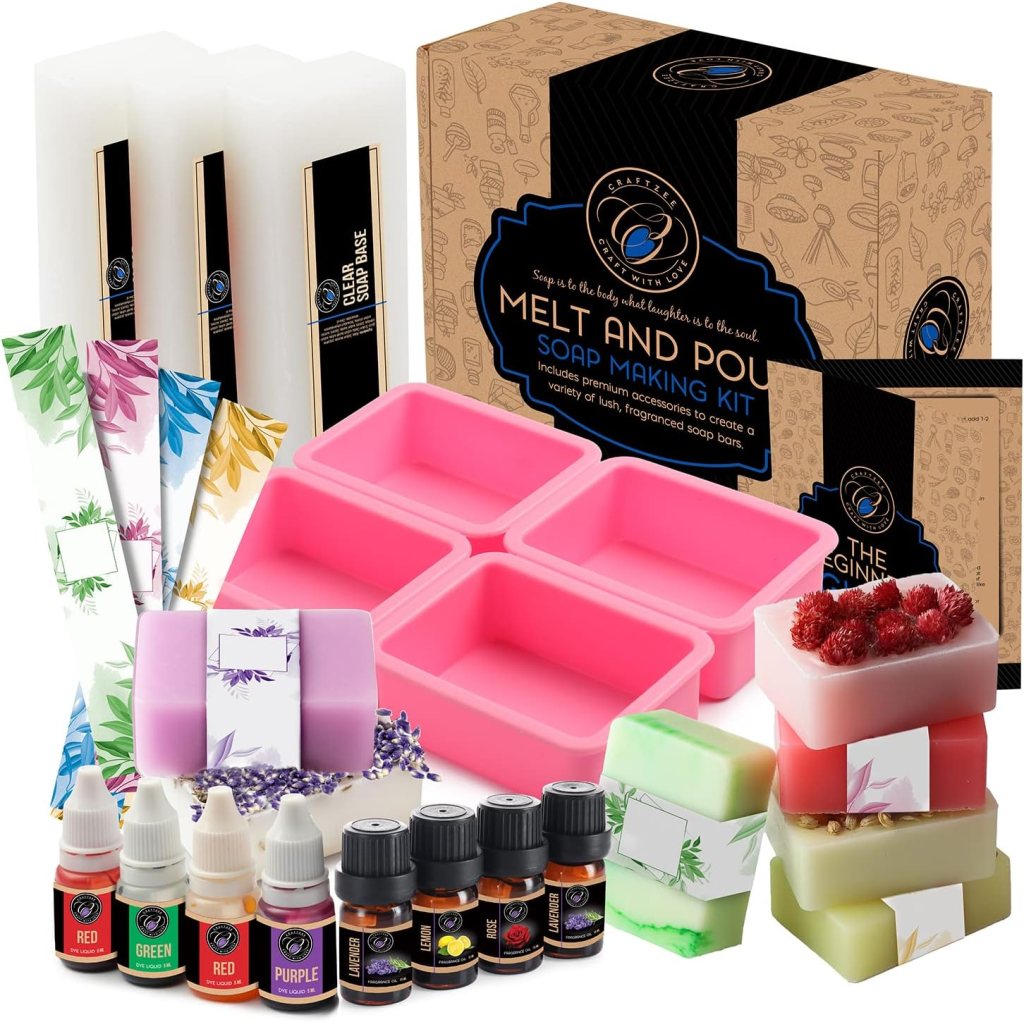
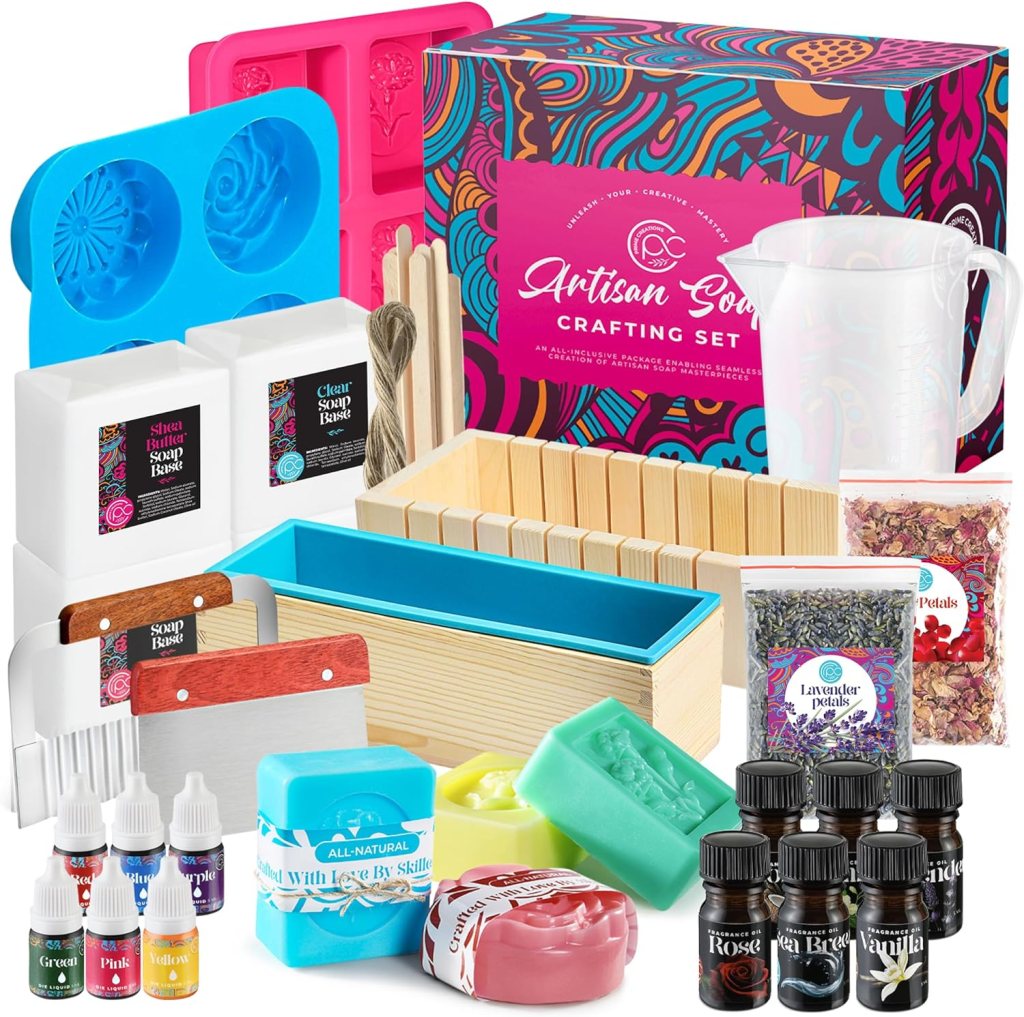
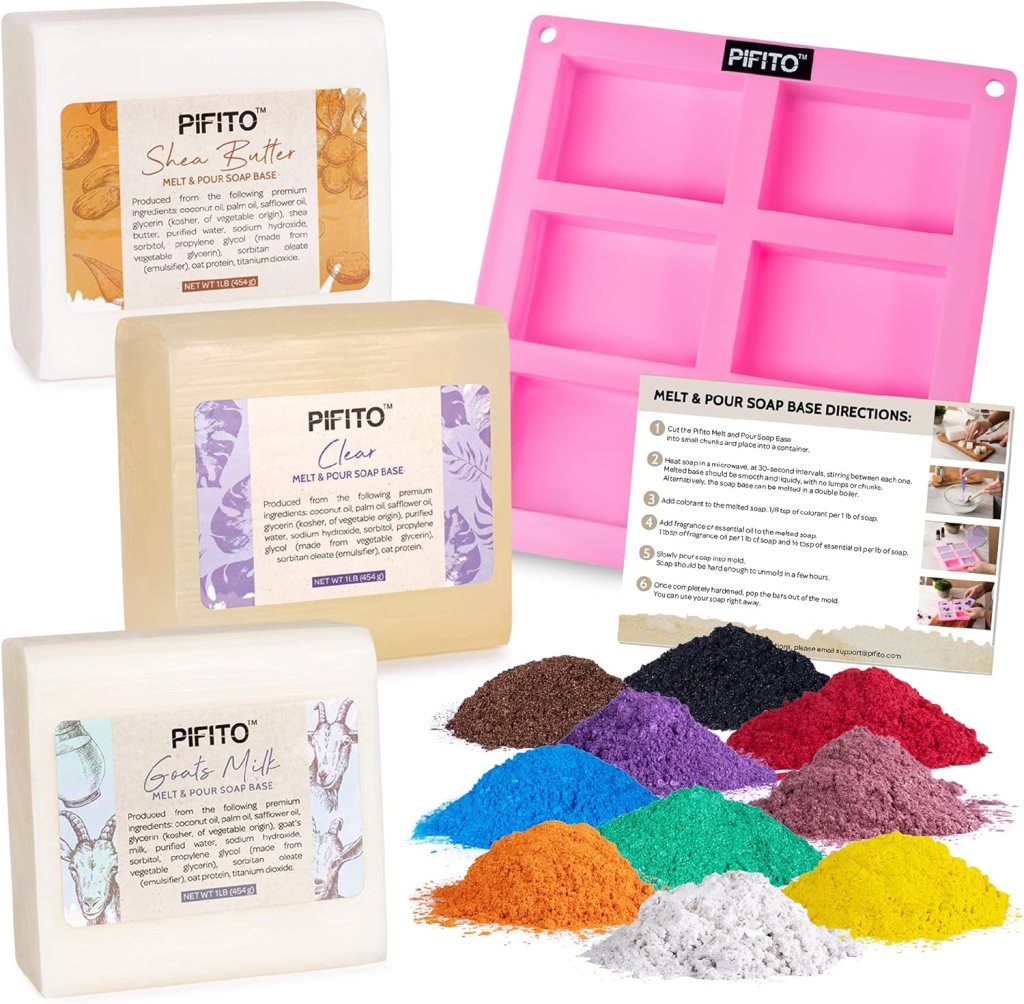
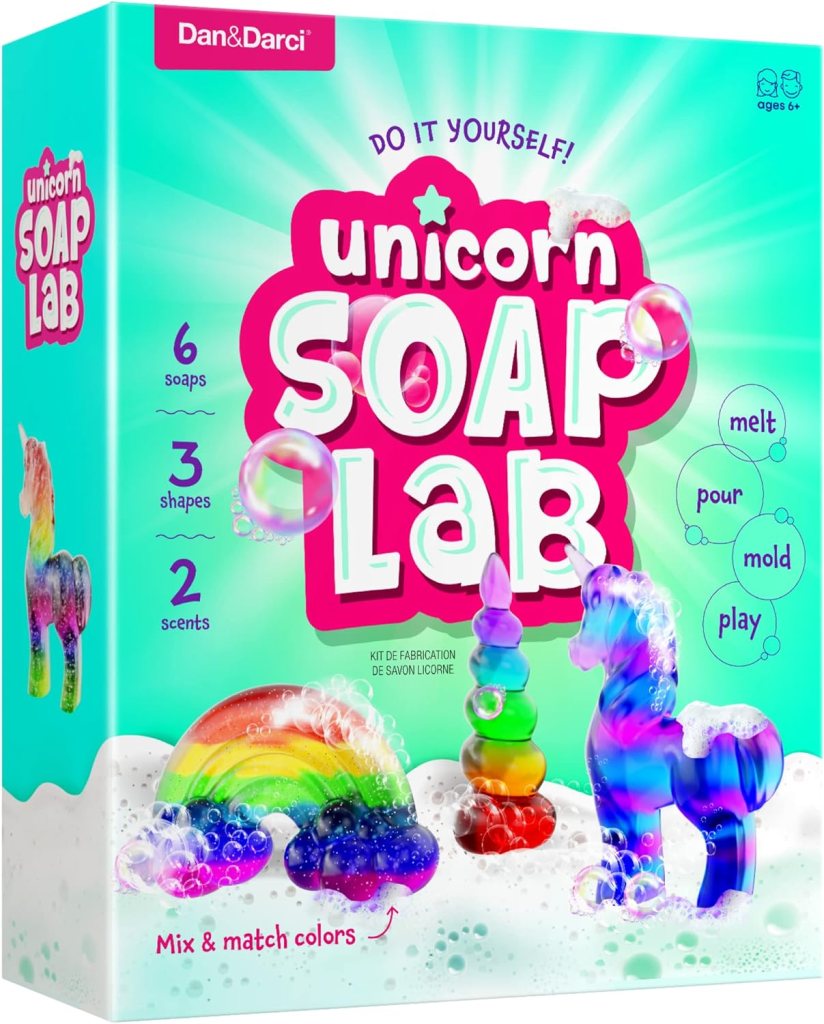
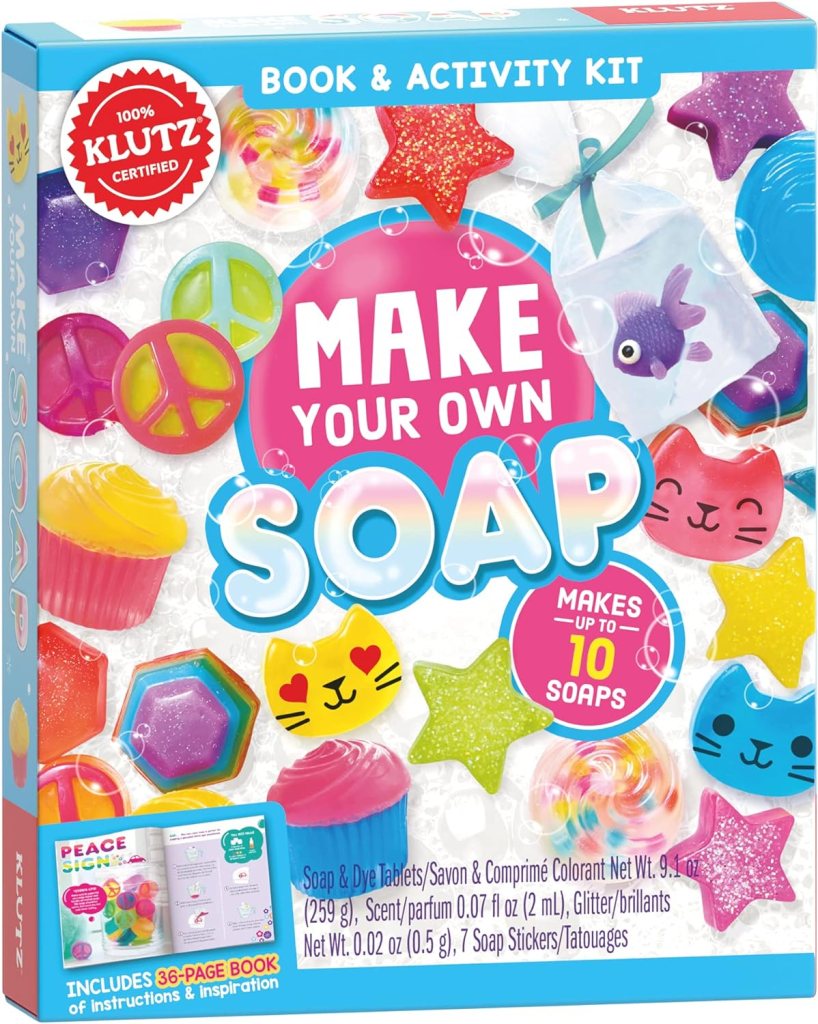
Sets You Can Buy to Get Started
Step 1: Preparing the Soap Base
Start by cutting your soap base into small chunks. This helps it melt evenly and quickly. You can melt the soap base in a microwave-safe container in short intervals, stirring between each, or use a double boiler on the stove.
Step 2: Adding Fragrance, Color, and Extras
Once the soap base is melted, it’s time to add your fragrance. Typically, a few drops of essential oil or fragrance oil are sufficient. Next, add your colorant – start with a small amount and add more until you reach the desired shade. If you’re using additives like exfoliants or moisturizers, mix them in at this stage.
RELATED ARTICLE: The Art of Perfume Making: A Step-by-Step Guide
Step 3: Pouring the Soap
Carefully pour the melted soap mixture into your molds. If bubbles form on the surface, a quick spritz of rubbing alcohol can help eliminate them.
Step 4: Curing the Soap
Let your soaps cool and harden. This process can take a few hours to a full day, depending on the size and thickness of the soap. Once set, gently remove the soap from the molds.
Step 5: Storage and Usage
Store your homemade soap in a cool, dry place. If you notice any “sweating” on the soap, it’s often due to high glycerin content in the base, which attracts moisture. Wrapping the soaps in plastic wrap can help.
Tips for Success
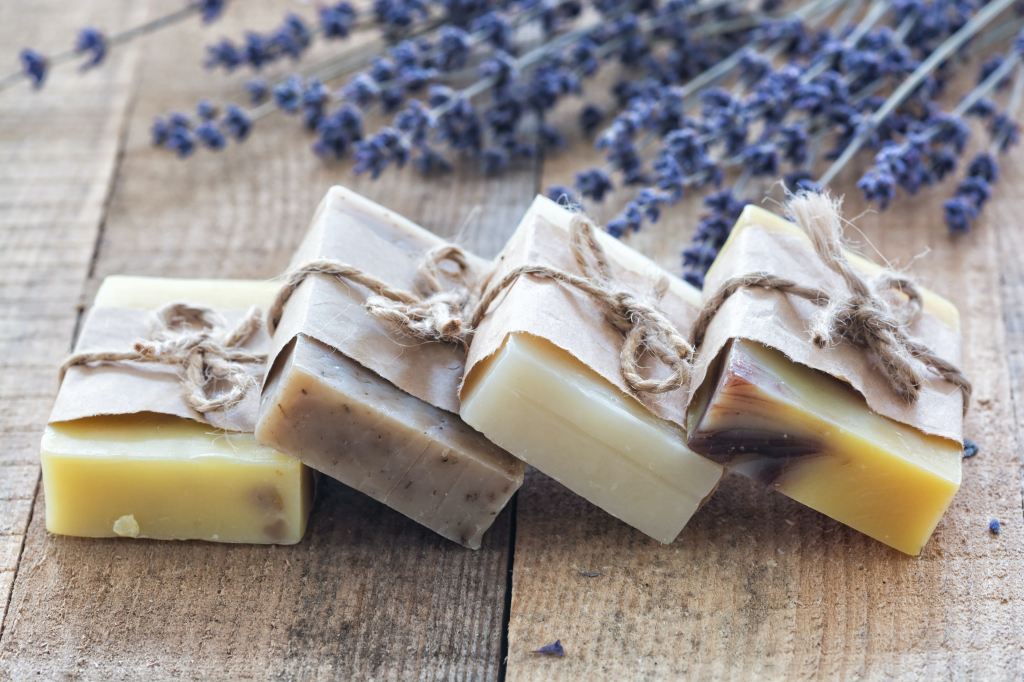
- Experiment with Scents and Colors: Don’t be afraid to try different combinations. The beauty of soap making is in the customization.
- Be Mindful of Temperature: Overheating the soap base can ruin its texture.
- Safety First: Always be cautious when handling hot materials and potentially irritating ingredients.
- Cure Soaps Properly: Patience is key. Fully cured soaps last longer and perform better.
RELATED ARTICLE: Flower Arrangement Essentials
Conclusion
Soap making is not just a craft; it’s an expression of creativity. Each bar you create is a testament to your imagination and care. Whether you’re making soaps for personal use or as thoughtful gifts, the process itself is as rewarding as the end product. Happy soap making!
 GOODIE LIVING