
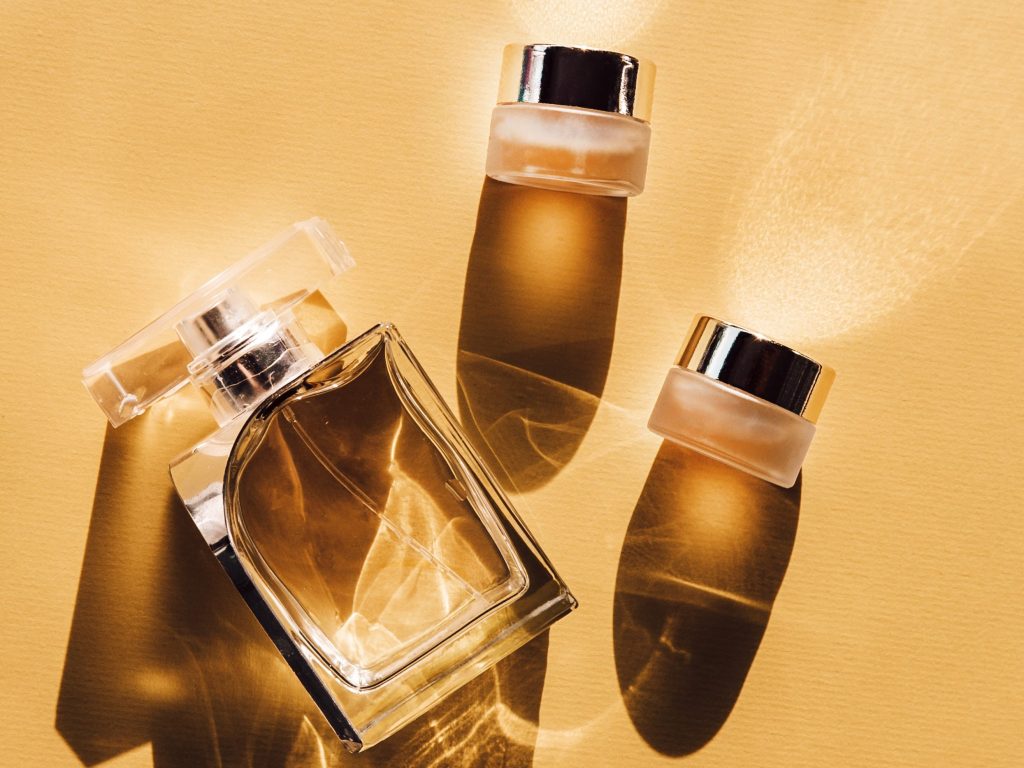
Creating your own perfume is a fun exploration of the world of scents, allowing you to craft unique fragrances that mirror your personality and style. Making perfume at home is easier than it appears, requiring only a few basic ingredients and tools. Here’s a step-by-step guide to embark on your perfume-making process.
Materials Needed:
- Essential Oils: The heart of your perfume, these oils provide the scent. You can choose from a vast array of essential oils like lavender, rose, jasmine, or sandalwood. It’s essential to select high-quality oils for the best results.
- Carrier Oil or Alcohol: This acts as the base for your perfume. For an oil-based perfume, jojoba or sweet almond oil are good choices. For an alcohol-based perfume, use a high-proof, unflavored vodka or ethanol.
- Distilled Water (for alcohol-based perfumes): This helps to dilute the alcohol.
- Small Glass Bottles: Dark glass bottles are best for storing perfume, as they protect the oils from light.
- Pipettes or Droppers: For transferring and measuring oils.
- Funnel: To transfer the perfume into bottles without spillage.
- Coffee Filters or Cheesecloth: For straining the final product (especially in alcohol-based perfumes).
RELATED ARTICLE: How to Make Candles: A Step-by-Step Guide
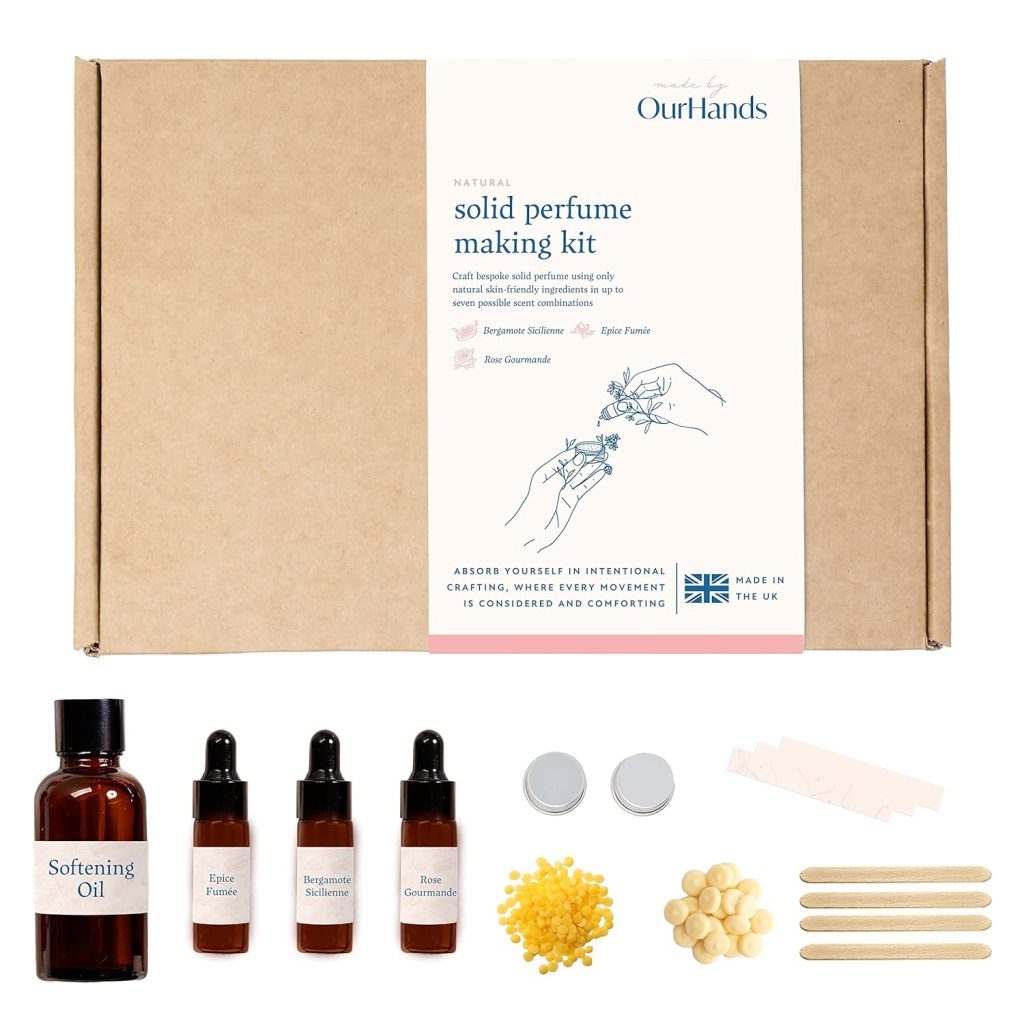
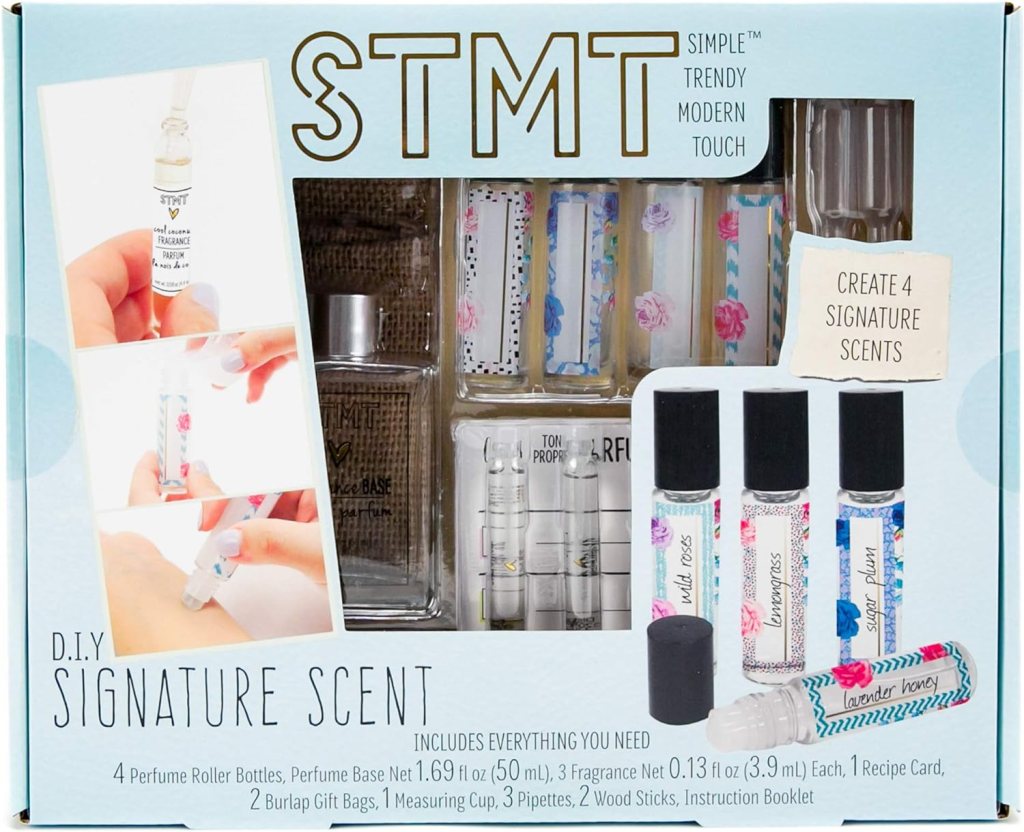
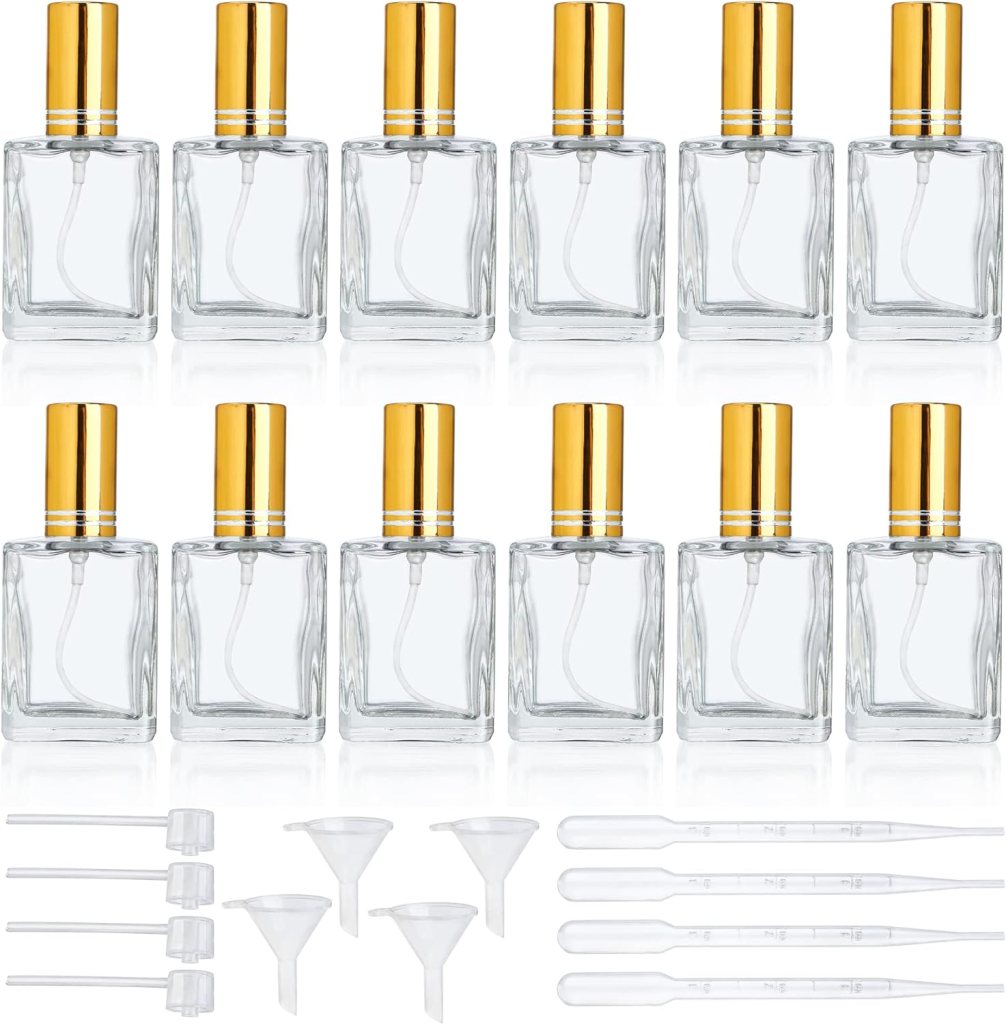
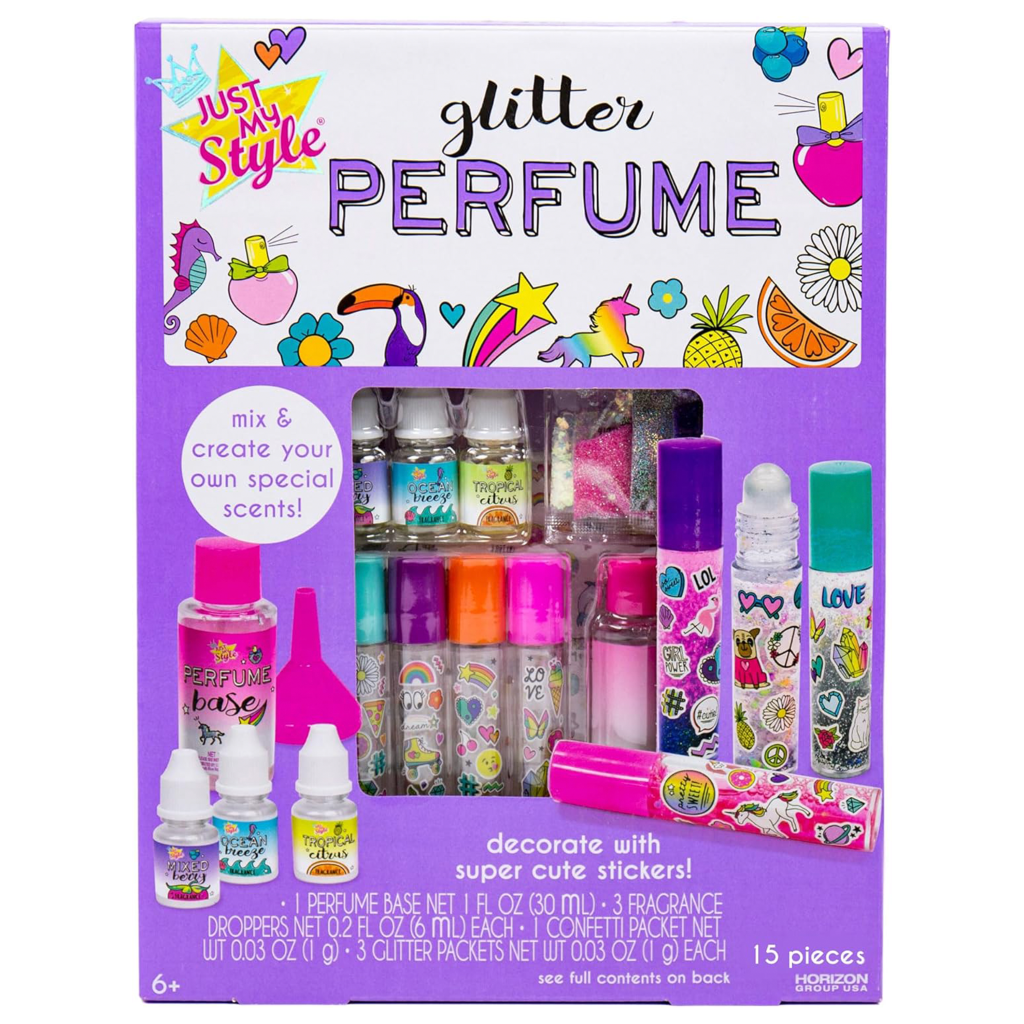
Step 1: Creating Your Scent
Perfume is typically composed of top, middle, and base notes:
- Top Notes: These are the first scents you detect and evaporate quickly. Citrus or herbal scents are common top notes.
- Middle Notes: Also known as the heart notes, they emerge just before the top notes dissipate. Floral or fruity scents often make up the middle notes.
- Base Notes: These linger the longest and provide depth. Scents like vanilla, musk, or wood are common base notes.
Experiment with different combinations of essential oils to find a blend that appeals to you. As a general rule, your concoction should consist of 30% top notes, 50% middle notes, and 20% base notes.
Step 2: Blending with Your Base
For an oil-based perfume, mix your essential oil blend with the carrier oil. A typical ratio is 15-30 drops of essential oil in 30ml of carrier oil.
For an alcohol-based perfume, mix your essential oils with alcohol. The ratio can be 25-30% essential oils to 70-75% alcohol. Add a couple of tablespoons of distilled water.
Step 3: Aging Your Perfume
Aging is crucial as it allows the scents to meld:
- Oil-based Perfumes: Let the perfume sit for at least 48 hours to 6 weeks. The longer, the better.
- Alcohol-based Perfumes: Age them for a minimum of 4 weeks, preferably in a dark, cool place. The scent will mature and deepen over time.
Step 4: Filtering and Bottling
Filter your perfume through a coffee filter or cheesecloth to remove any sediment. Use a funnel to transfer the perfume into your glass bottles.
Tips for Success
- Document Your Process: Keep track of the oils and amounts you use. This makes it easy to replicate or tweak your formula in the future.
- Test on Skin: Scents can vary when applied to the skin due to body chemistry.
- Store Properly: Keep your perfume in a cool, dark place to preserve the scent.
- Experiment: Don’t be afraid to try different combinations and ratios.
RELATED ARTICLE: Flower Arrangement Essentials
Conclusion
Creating your own perfume is not just a creative endeavor but also a deeply personal one. Each bottle you craft carries a part of your individuality and preferences, making it a unique accessory that complements your essence. With practice and patience, you can master the art of perfume making and develop scents that are distinctly yours.
 GOODIE LIVING