
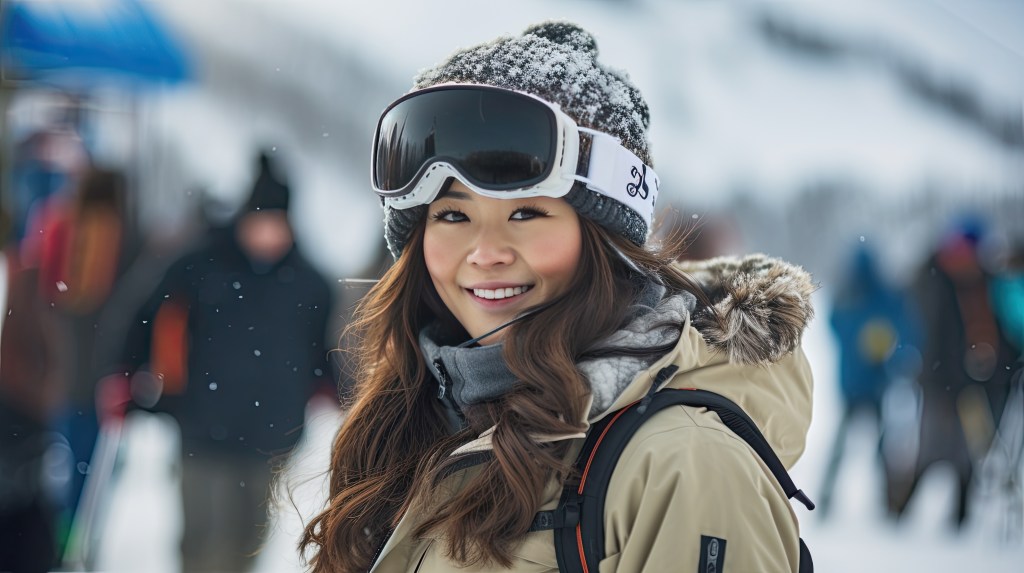
Skiing is not just about the thrill of gliding down snowy slopes; it’s also about being properly equipped to enjoy the experience fully. One of the most crucial aspects of ski preparation is mastering the art of layering. The right layers ensure you stay warm, dry, and comfortable, no matter the weather conditions. Let’s dive into the best ski layers to have for an optimal skiing experience.
Base Layer: The Foundation
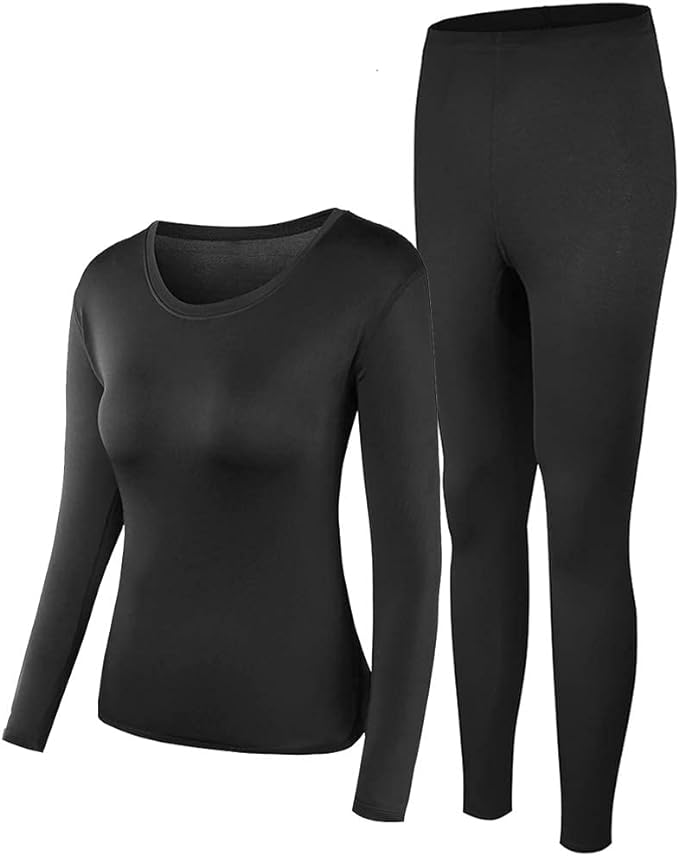
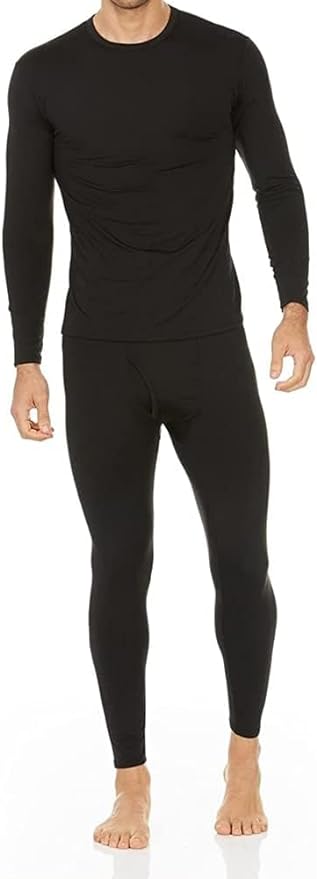
Material: The base layer is all about moisture management. Look for materials like merino wool or synthetic fibers that wick sweat away from your body. Avoid cotton, as it retains moisture, making you feel cold and damp.
Fit: It should fit snugly but comfortably against your skin to maximize moisture-wicking.
Examples: Merino wool shirts and leggings, synthetic long underwear.
RELATED ARTICLE: Warm Up Your Winter Nights with Classic S’Mores
Mid Layer: Insulation
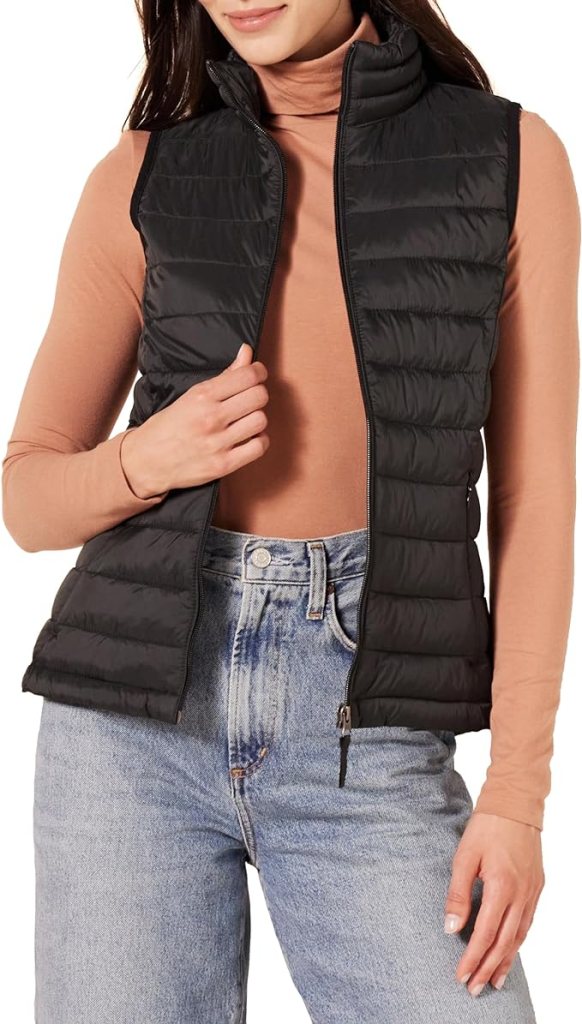
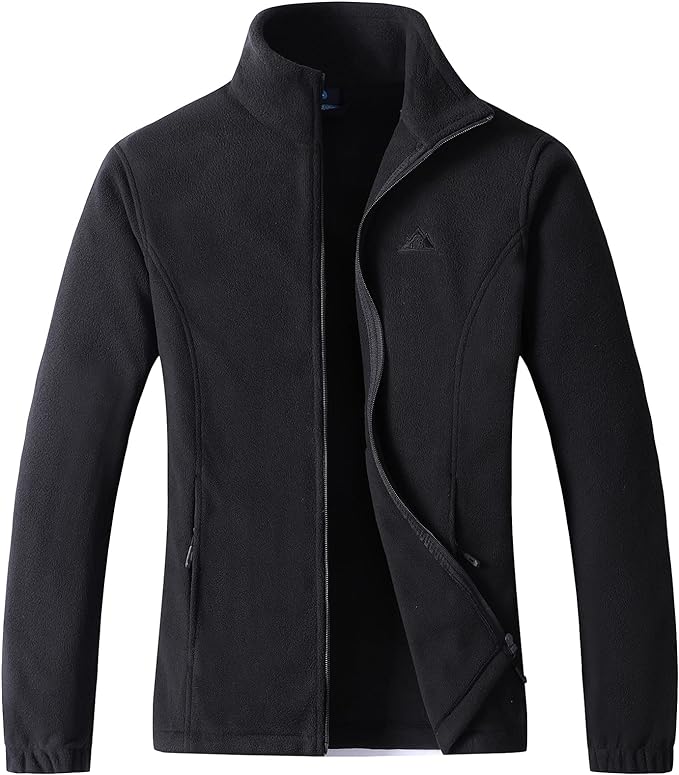
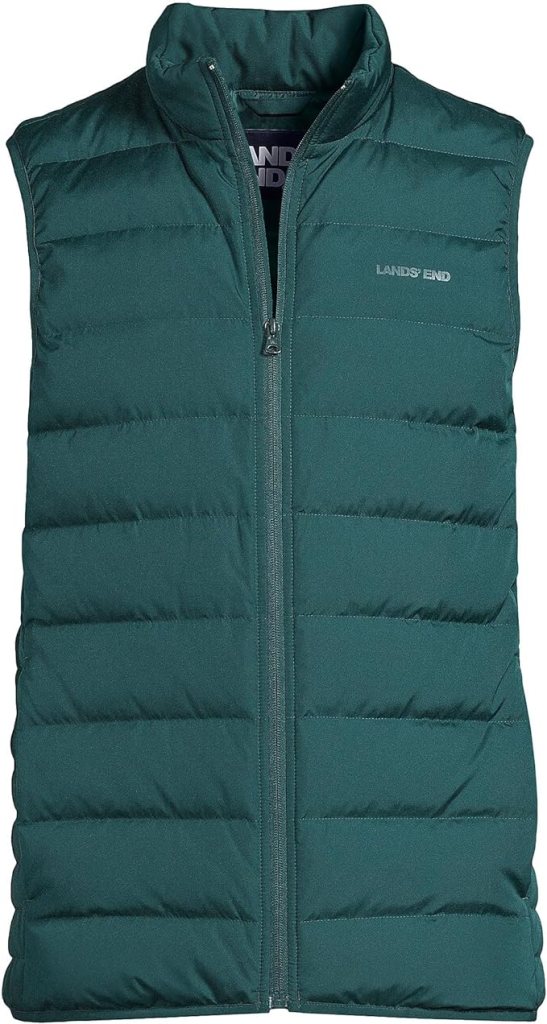
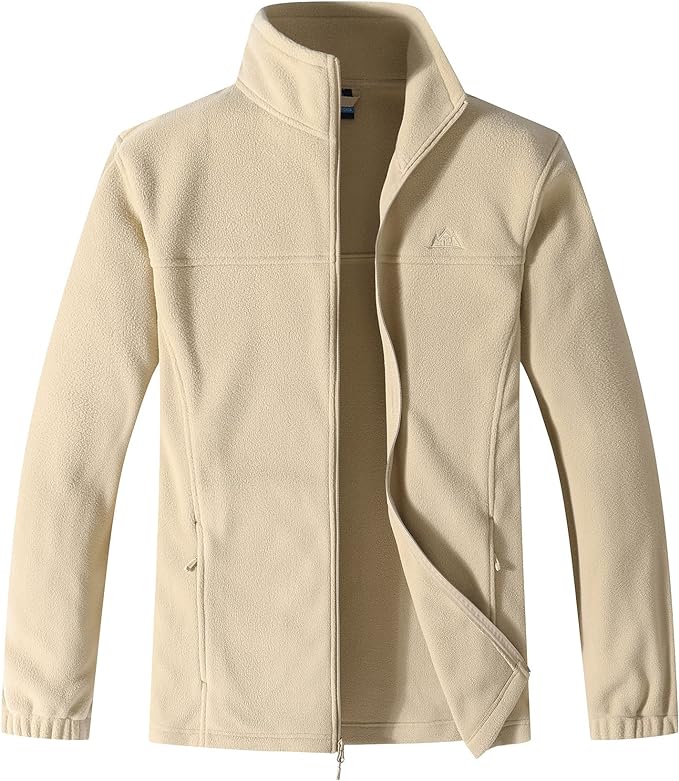
Material: The mid-layer is responsible for retaining body heat. Fleece, down, or synthetic insulation materials are ideal.
Thickness: This varies based on the weather. On warmer days, a light fleece might be enough, while colder conditions may require a thicker down or synthetic jacket.
Versatility: Look for options that are easy to add or remove as conditions change.
Examples: Fleece jackets, down vests, synthetic insulated jackets.
3. Outer Layer: Protection from the Elements
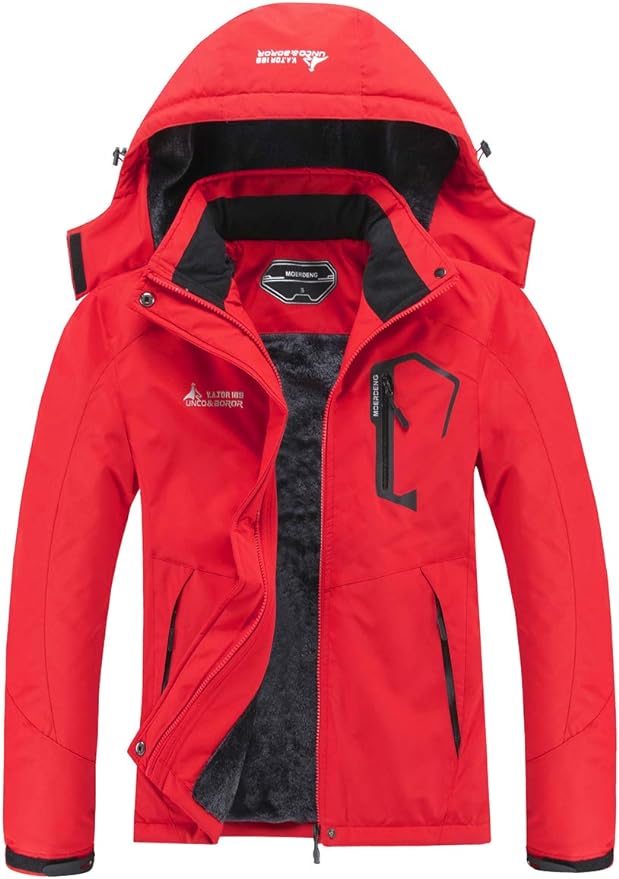
Material: The outer layer should be waterproof and windproof to protect from snow and wind. Look for materials like Gore-Tex.
Breathability: While it needs to block out moisture from the outside, it should also allow sweat to escape to prevent overheating.
Features: Look for features like sealed seams, adjustable cuffs, and underarm vents.
Examples: Waterproof ski jackets and pants.
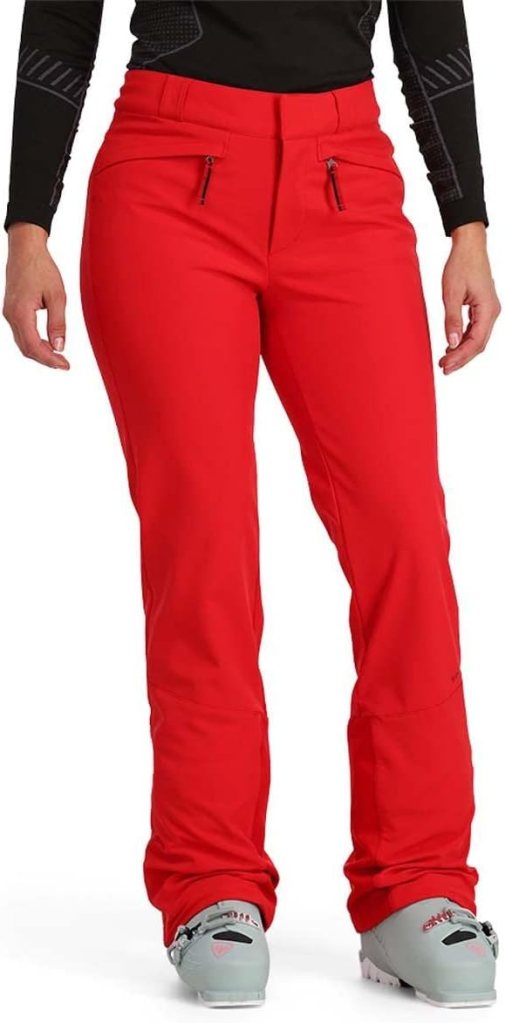
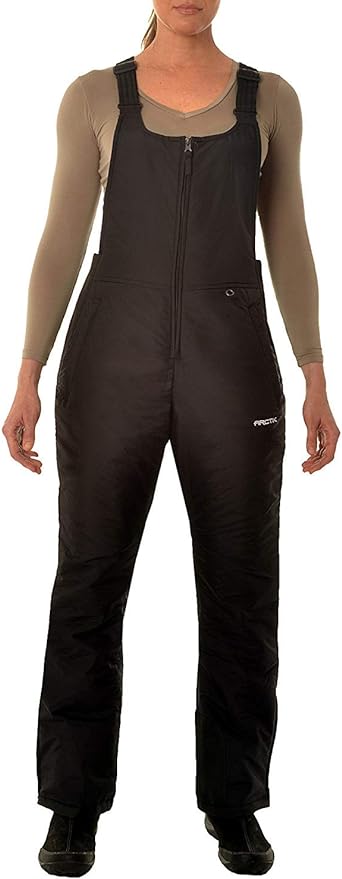
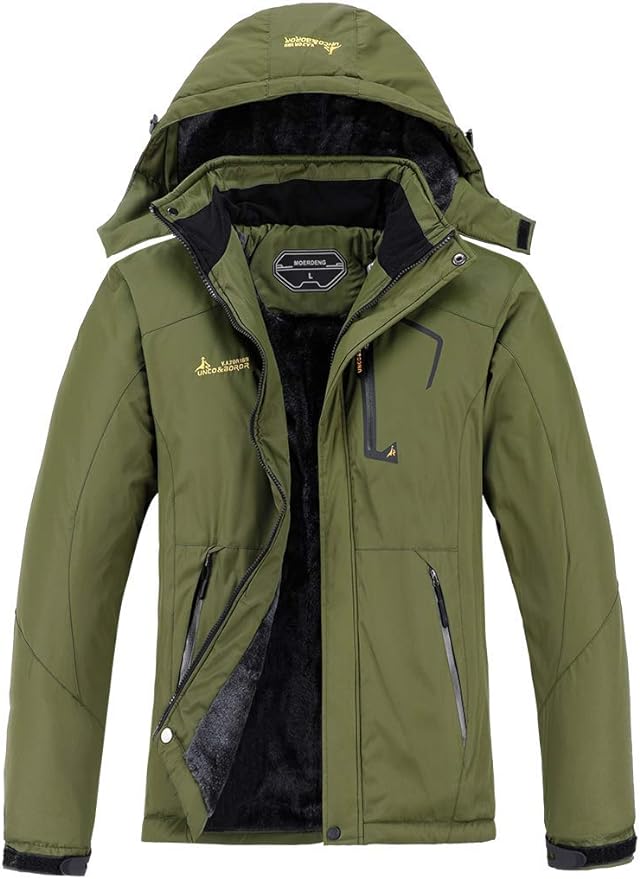
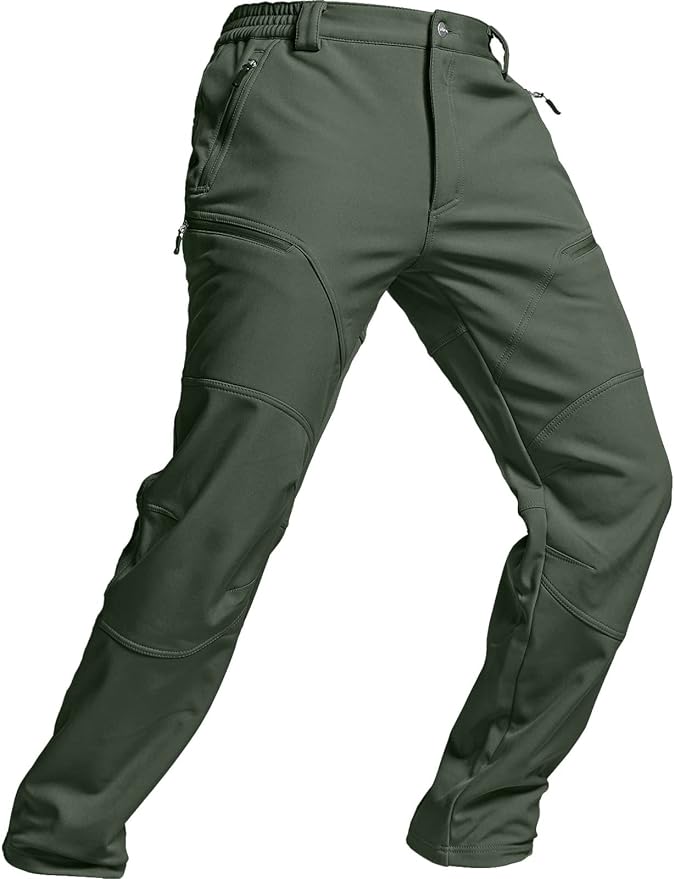
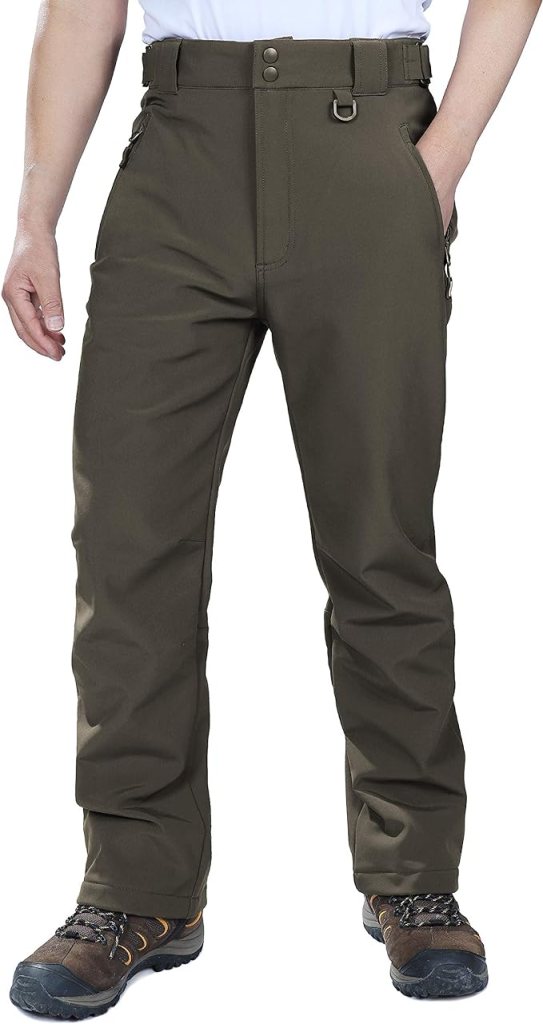
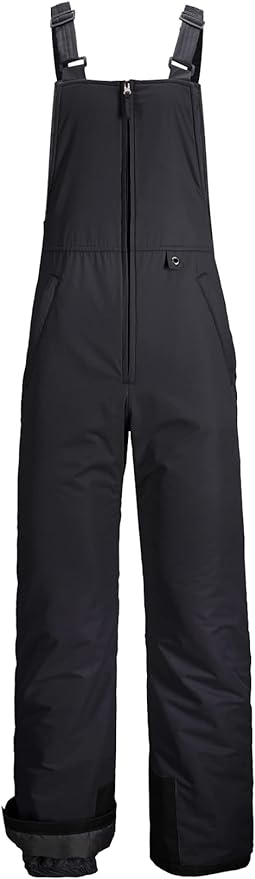
GEMYSE Men’s Winter Waterproof Ski Bib Overalls Insulated Snowboarding Pants
Additional Layers
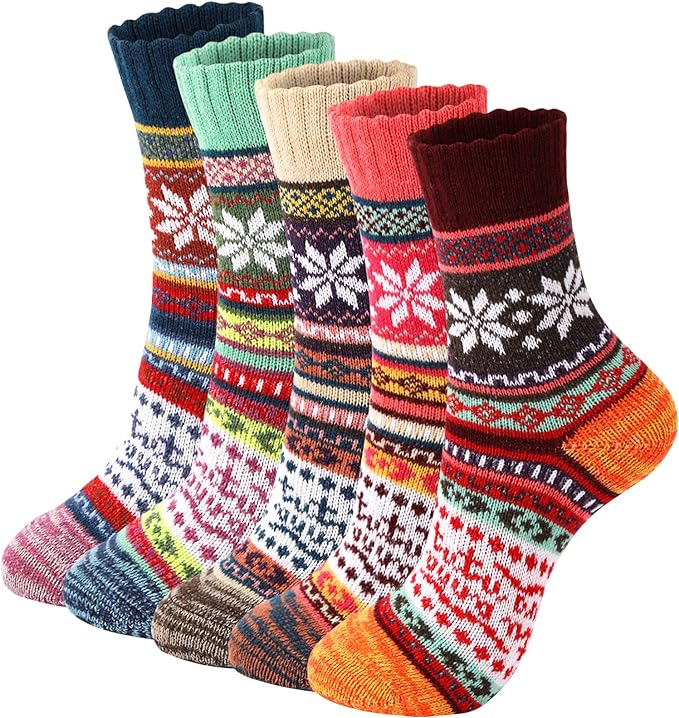
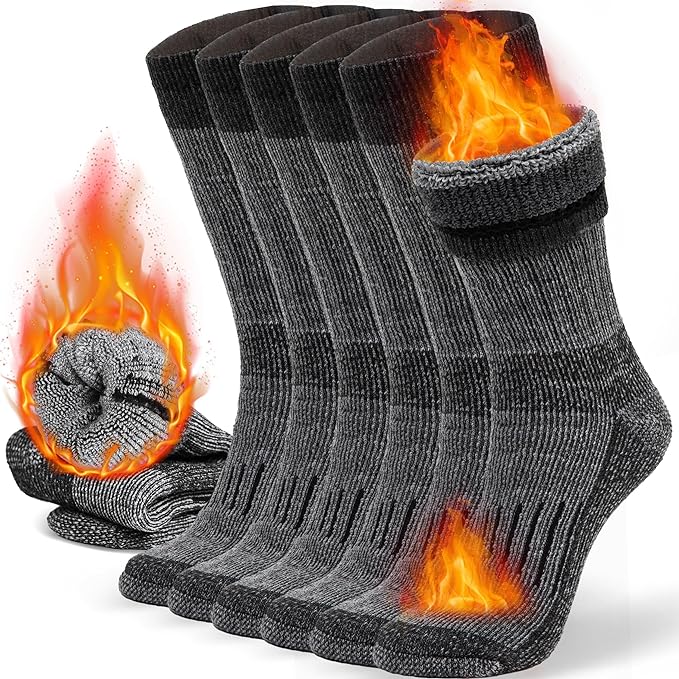
Socks: Opt for wool or synthetic ski socks that provide warmth without bulk.
Gloves or Mittens: Waterproof and insulated to keep your hands warm and dry.
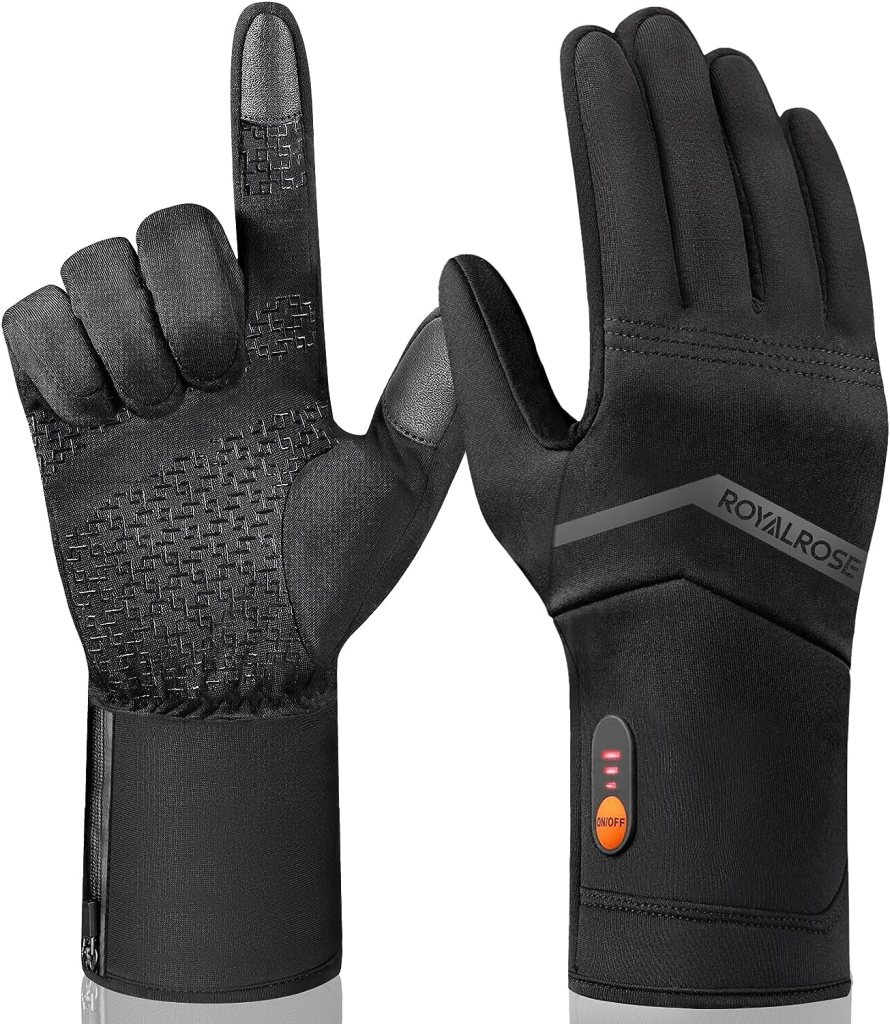
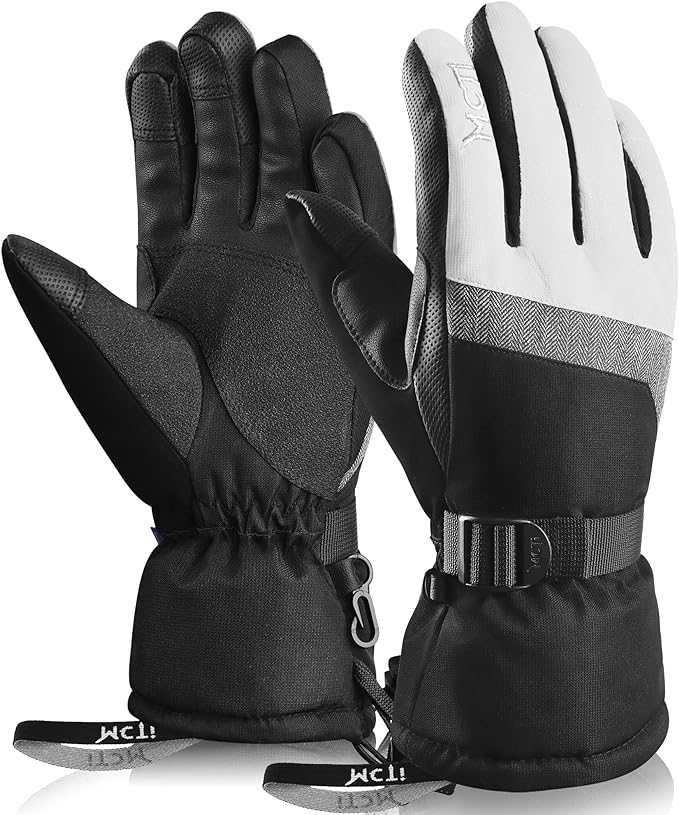
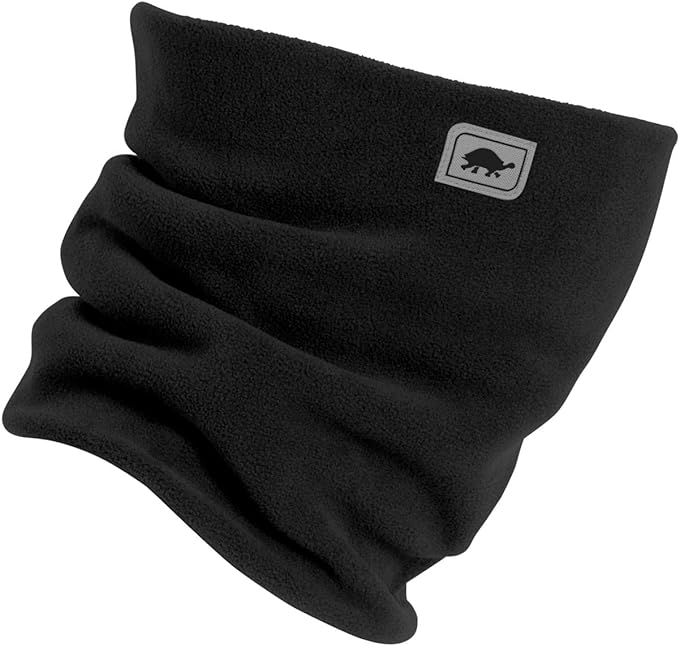
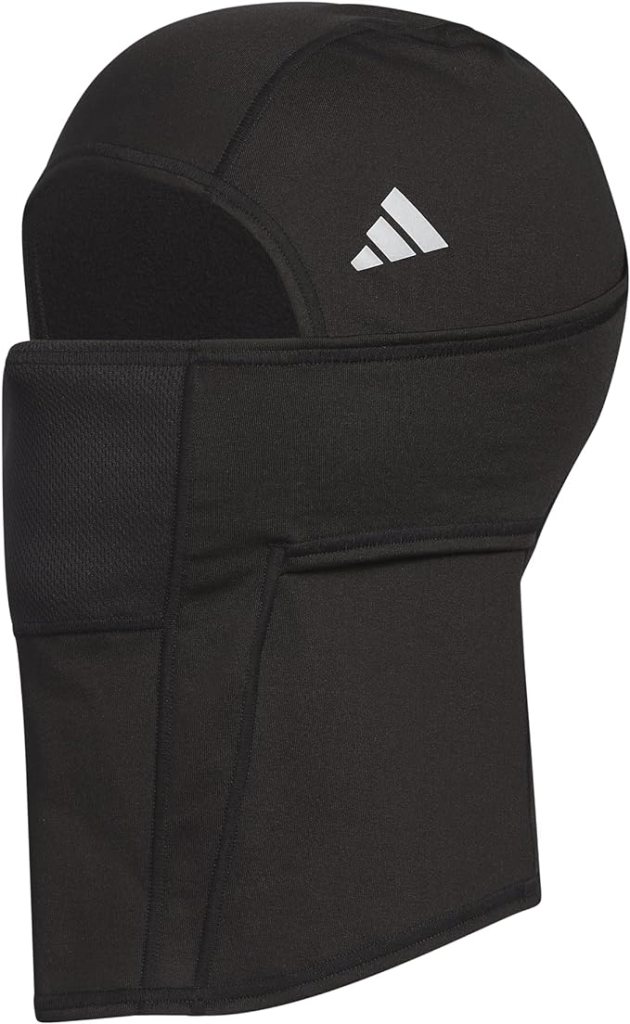
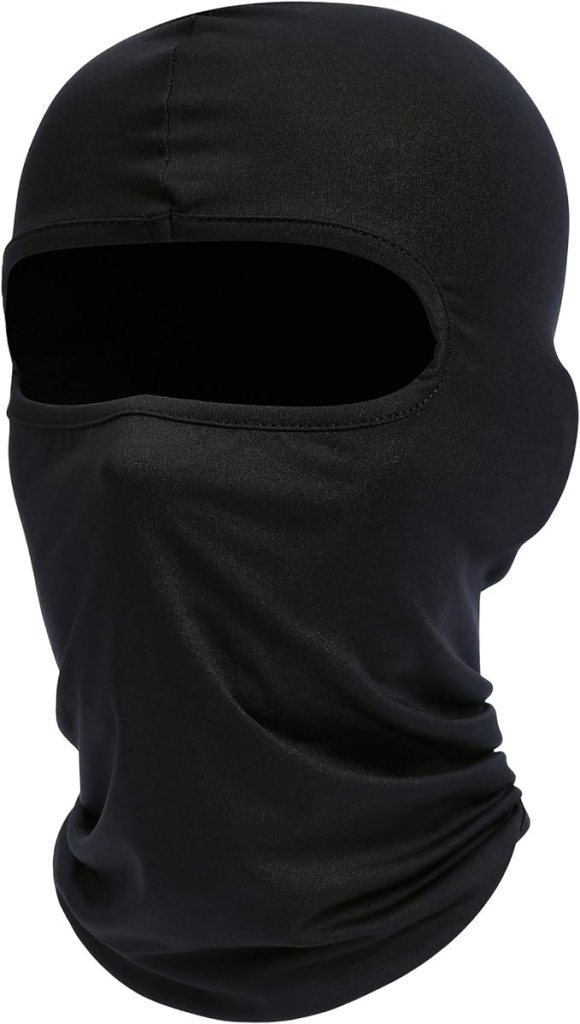
Neck Gaiter or Balaclava: Protects your neck and face from cold and wind.
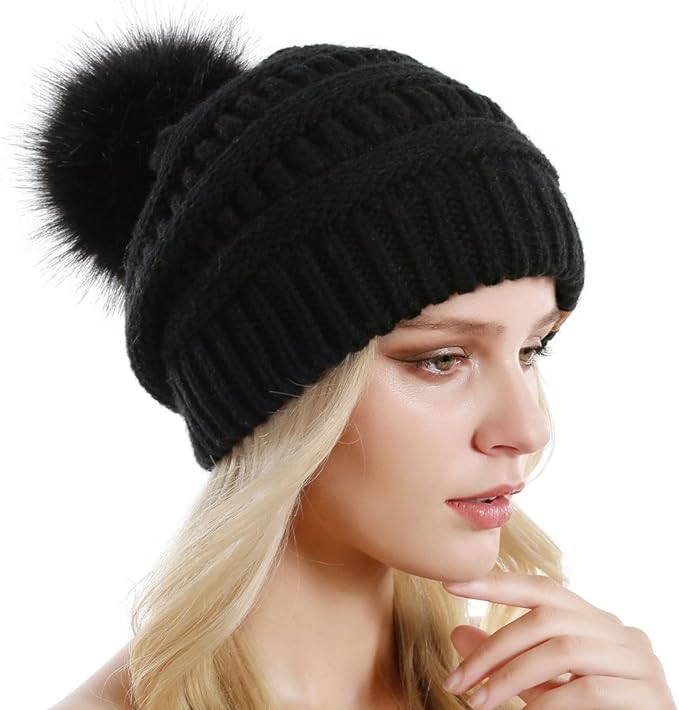
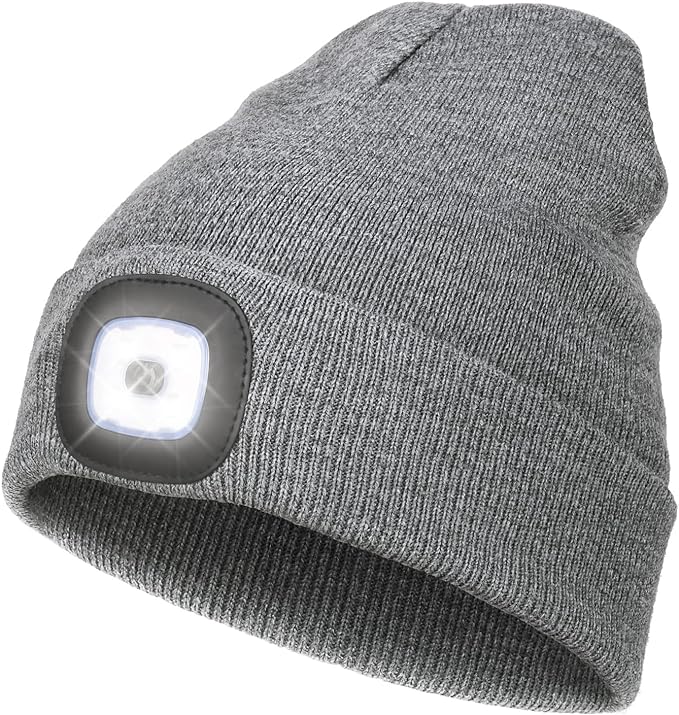
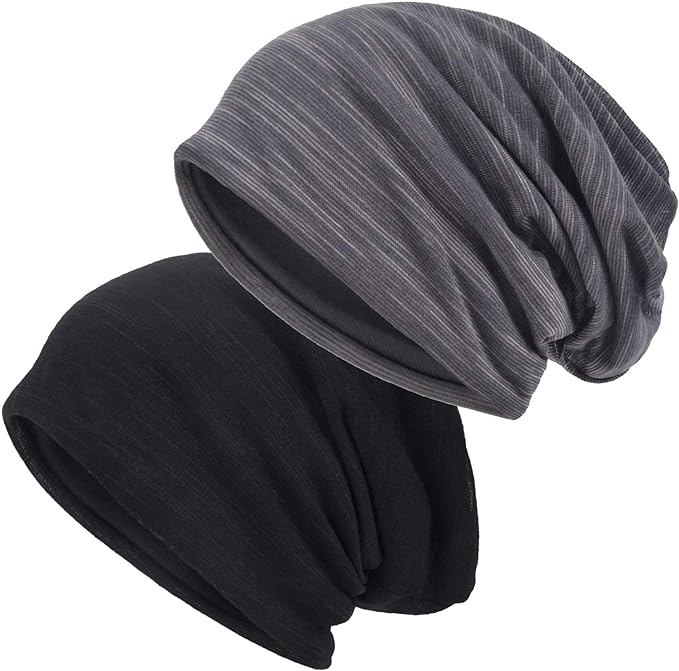
Beanie or Helmet Liner: For extra warmth under your helmet.
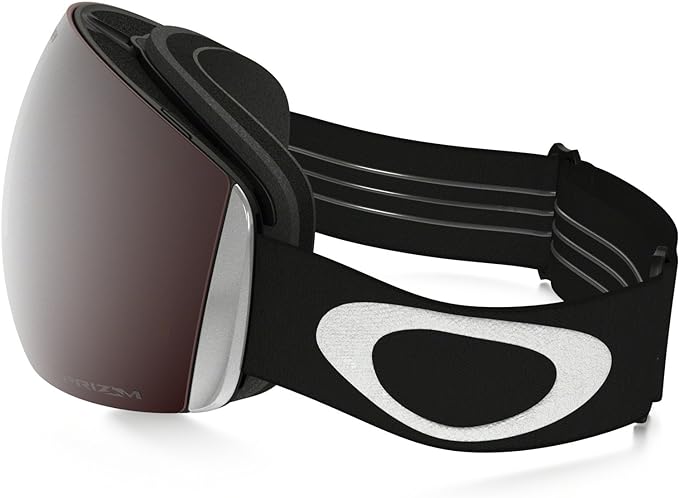
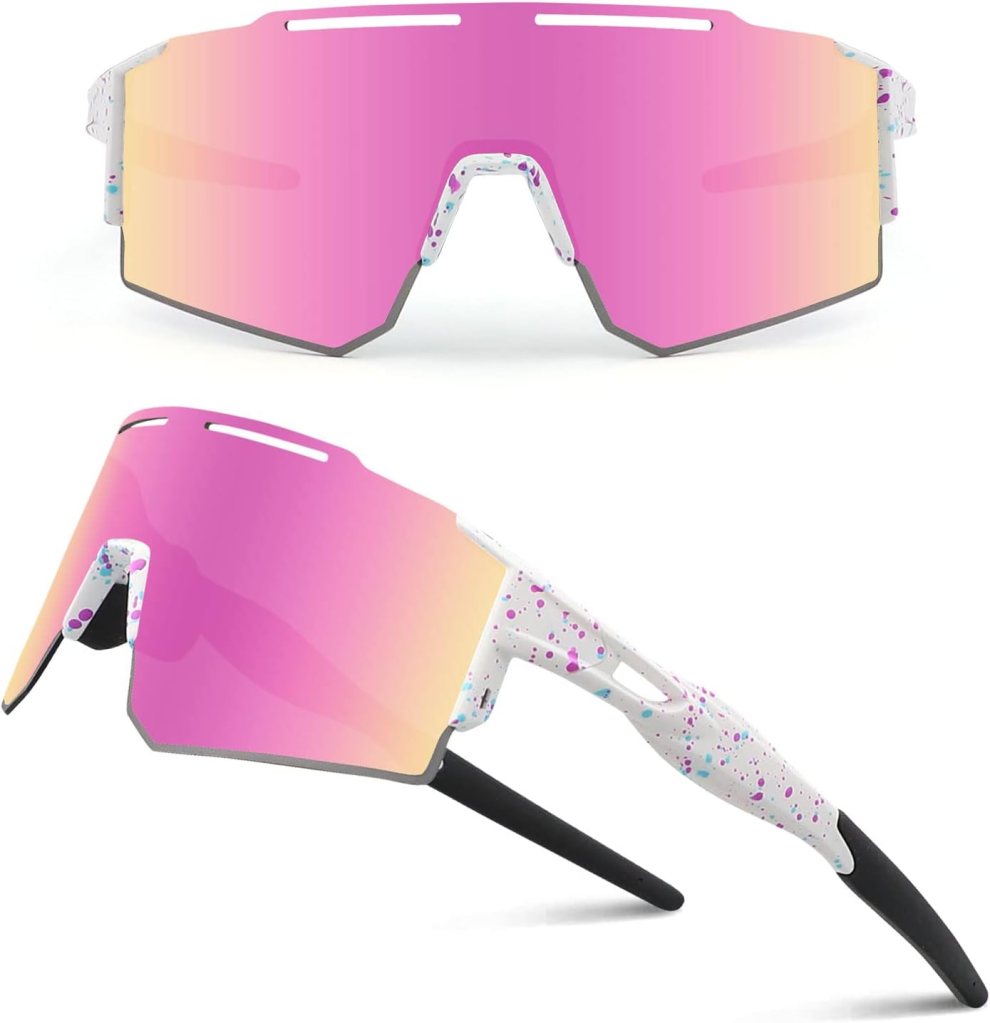
Ski Sunglasses: For eye protection and better visibility.

Tips for Layering
- Adapt to Conditions: Be prepared to shed or add layers based on weather and activity level.
- Avoid Overdressing: Over-layering can lead to sweating and subsequent chilling when you stop moving.
- Personal Preference: Consider your own comfort levels. Some people run colder and may need extra insulation.
Conclusion
Effective layering is key to enjoying a day on the slopes. By choosing the right materials and adjusting layers as needed, you can stay comfortable, warm, and dry throughout your ski adventure. Remember, no two days on the mountain are the same, so be prepared to adapt your layers to match the conditions of the day. Happy skiing!
 GOODIE LIVING