

In the quest to create a welcoming and fragrant home environment, many turn to the ambient glow of scented candles and the instant freshness of air fresheners. However, beneath their pleasant aromas and cozy flickers, some of these products harbor a cocktail of chemicals that can be detrimental to health. Understanding the potential risks and learning to choose healthier alternatives can help ensure the air in your home remains not just fragrant but also safe.
The Underlying Concerns
The primary concern with certain candles and air fresheners lies in their composition and the emissions they produce. Paraffin wax, derived from petroleum, is commonly used in candle making. When burned, paraffin candles can release hazardous substances such as toluene and benzene, classified as carcinogens by the International Agency for Research on Cancer (IARC). A study published in the “Journal of Environmental Health” (2009) also highlighted that burning paraffin candles can contribute to indoor air pollution (Fine, P.M., et al., 2009).
RELATED: Nature’s Air Filters: The Science Behind Houseplants as Health Protectors
Air fresheners, including sprays, gels, and plug-ins, often contain volatile organic compounds (VOCs). These compounds can react with other indoor pollutants, potentially forming secondary toxic substances like formaldehyde, a known carcinogen. The Natural Resources Defense Council (NRDC) tested 14 air fresheners and found that many contained phthalates, chemicals linked to hormone disruption and reproductive problems (“Clearing the Air: Hidden Hazards of Air Fresheners,” 2007).
It’s important to note that while these plants can contribute to improving indoor air quality, they should be seen as complementary measures. Ensuring good ventilation and minimizing the use of products that emit VOCs (Volatile Organic Compounds) are also crucial steps in maintaining healthy indoor air.
Choosing Healthier Options
Fortunately, there are safer alternatives to conventional scented candles and air fresheners. Here are some tips to help you choose:
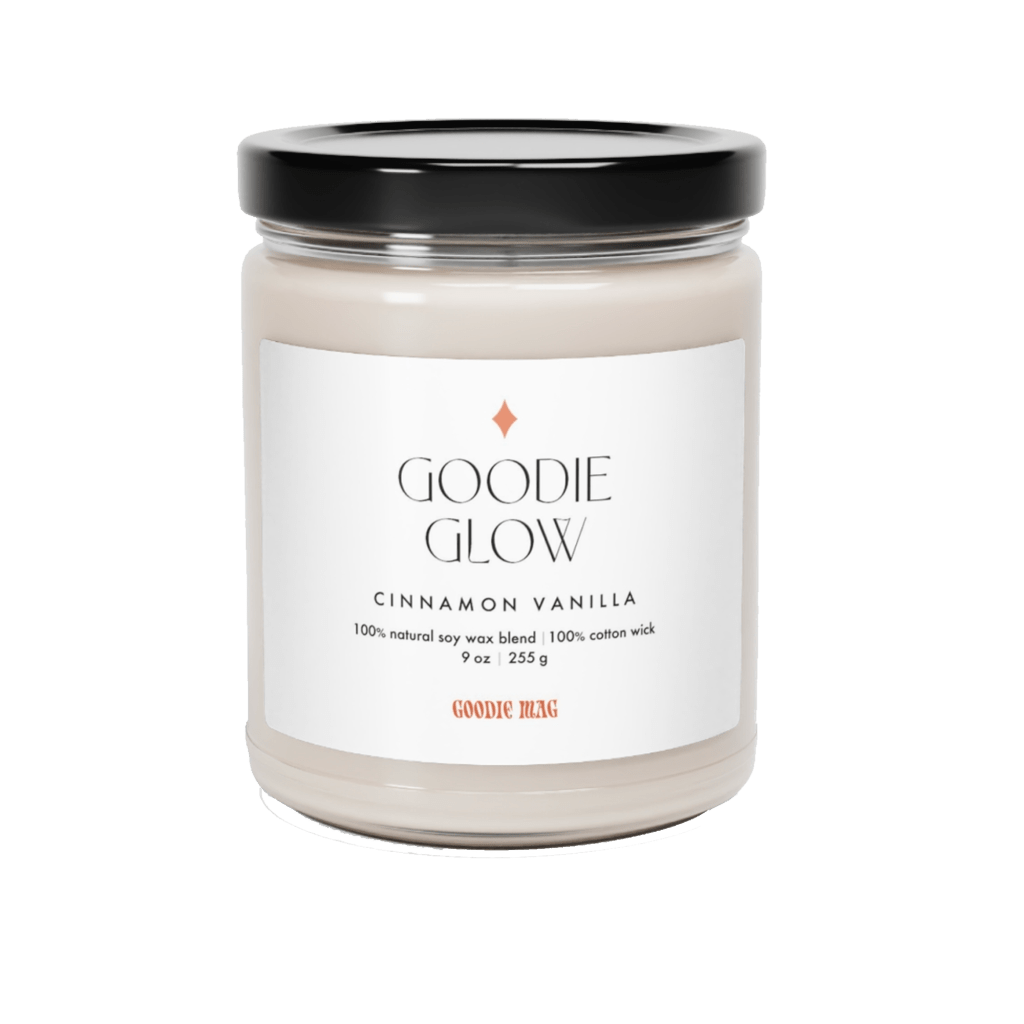
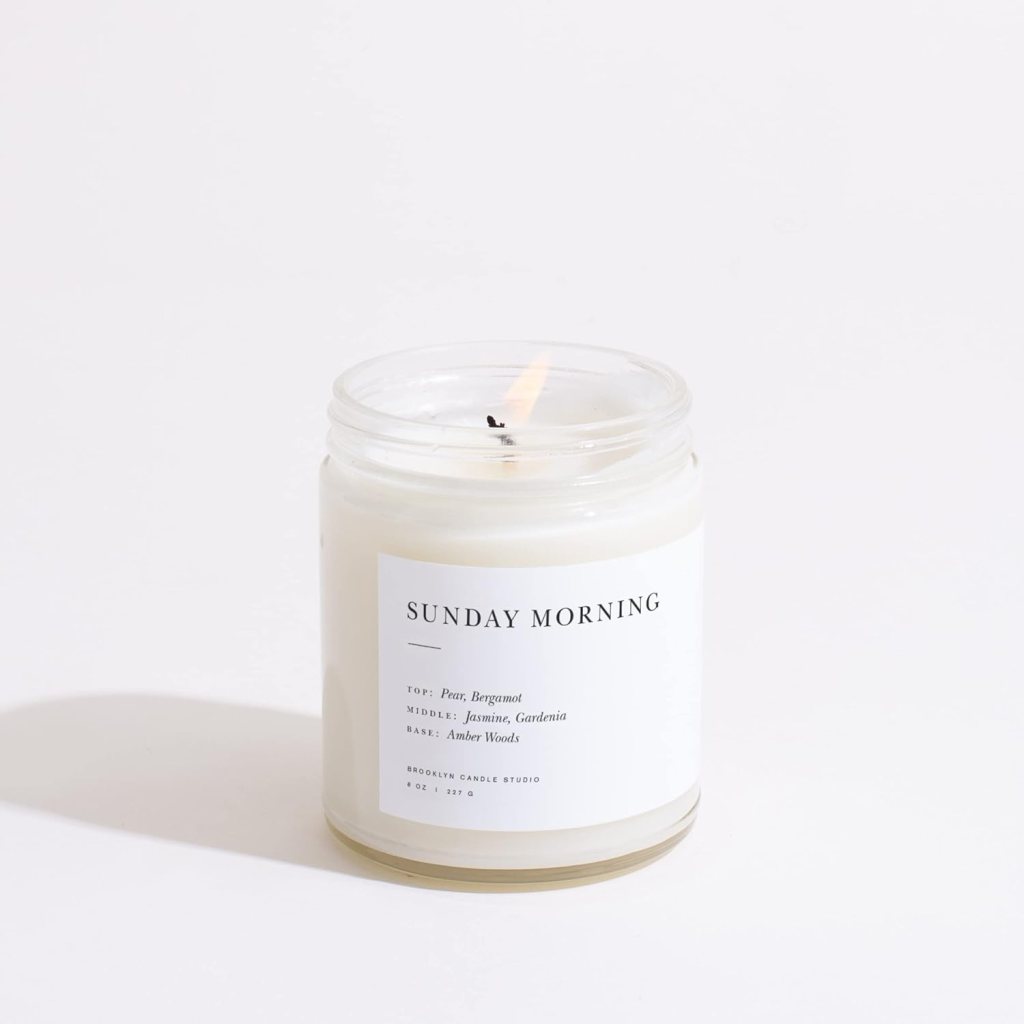
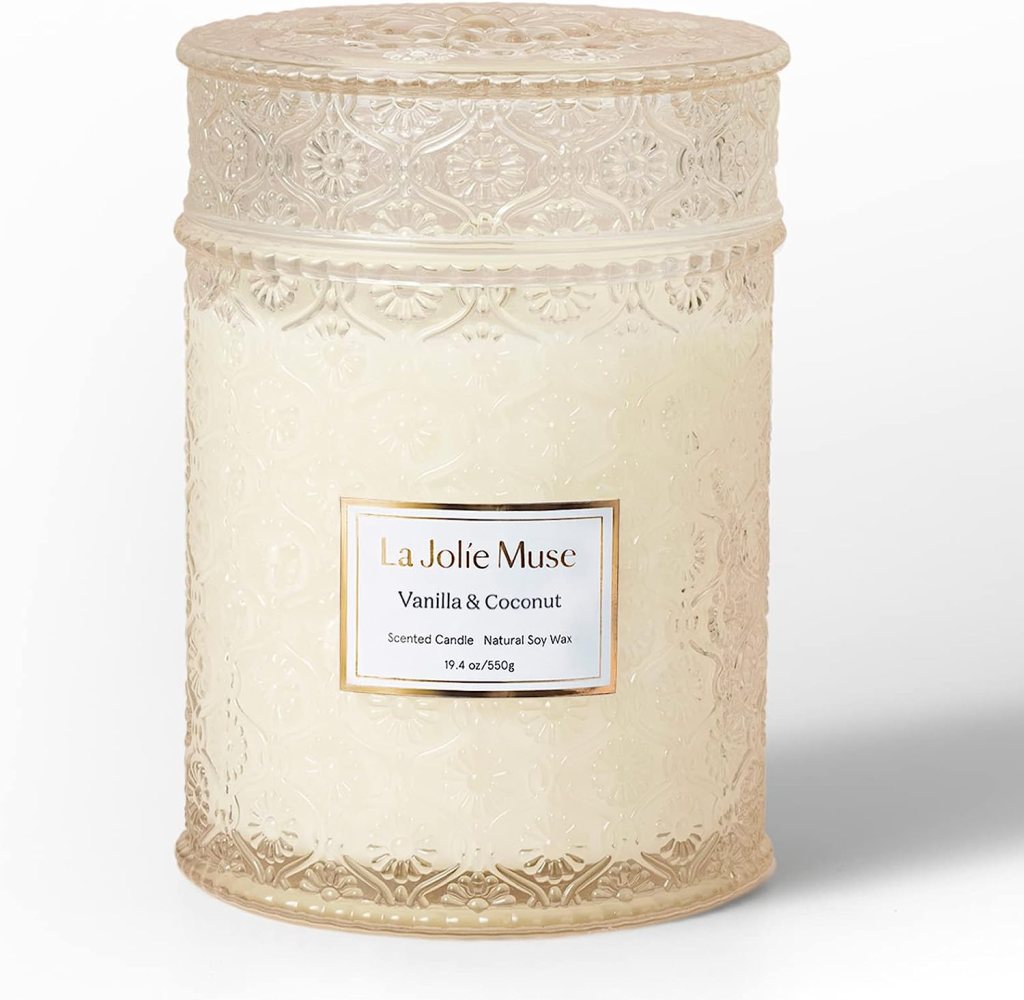
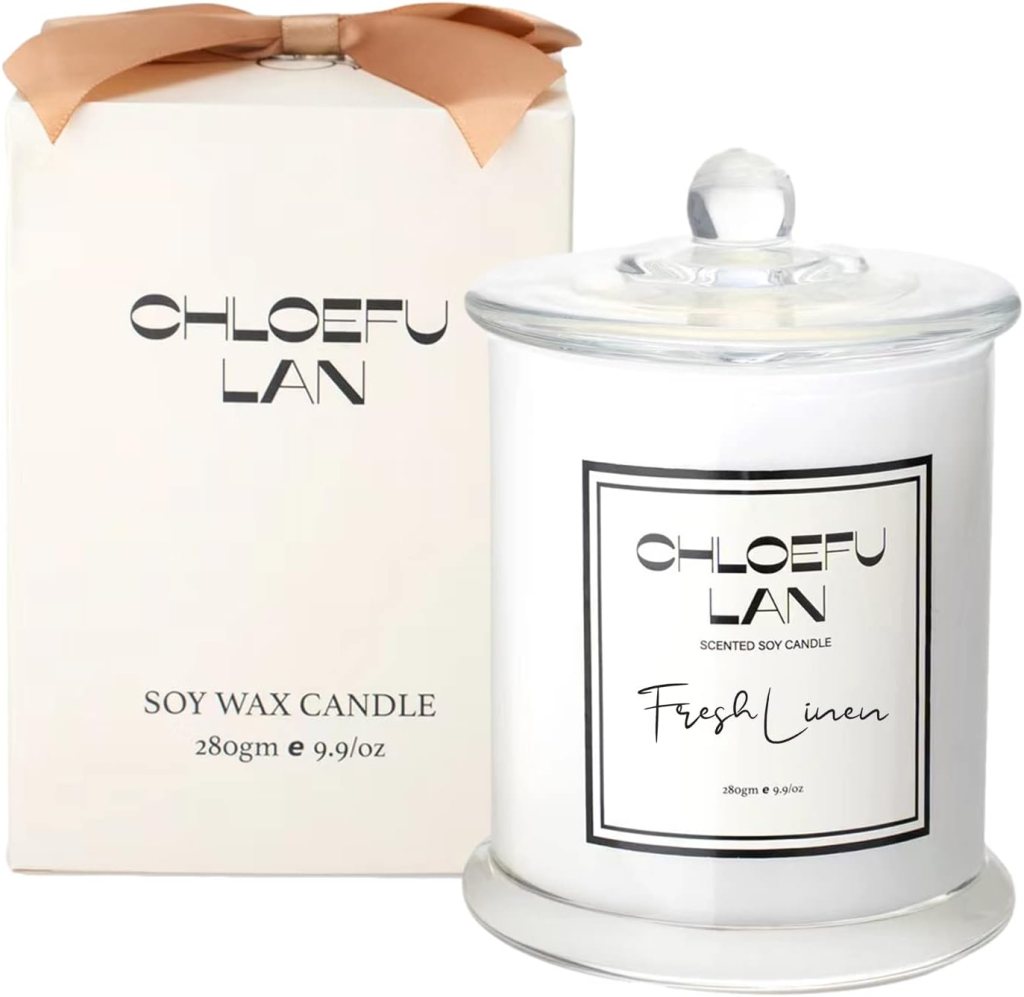
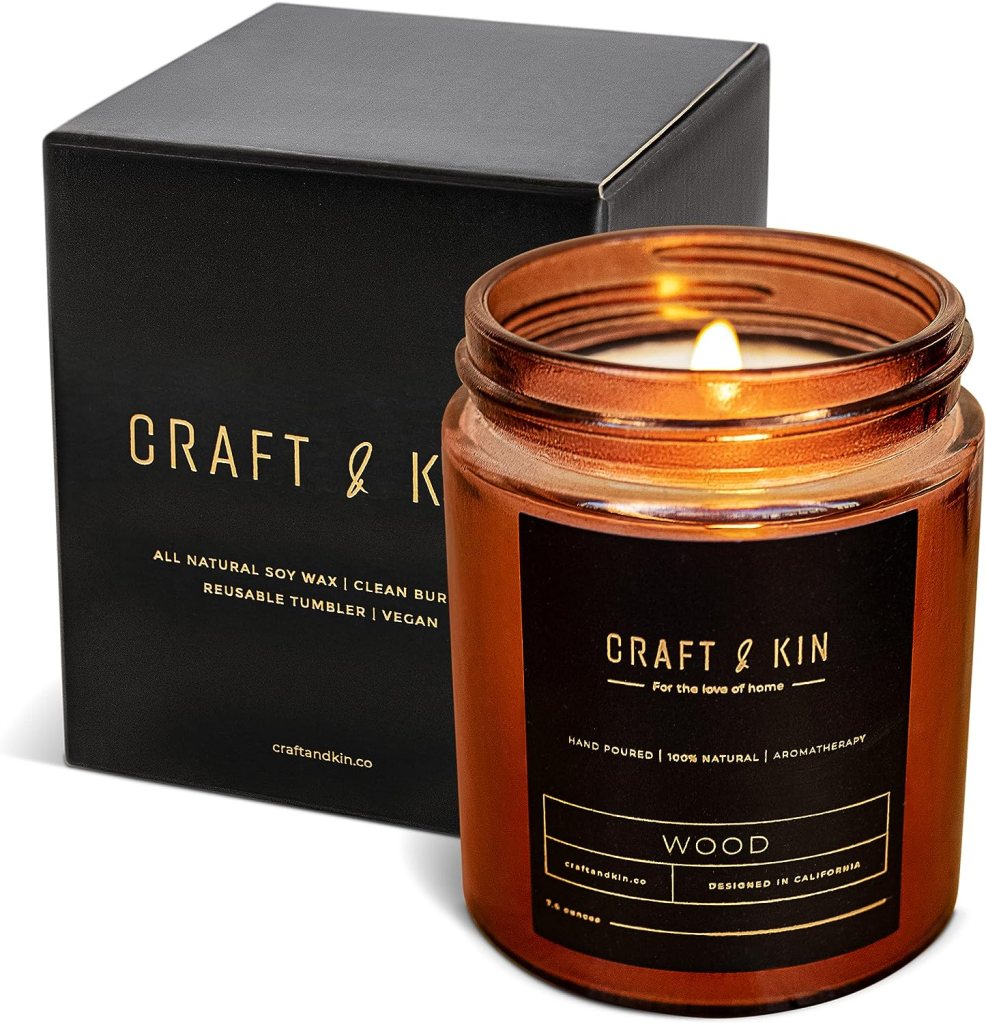
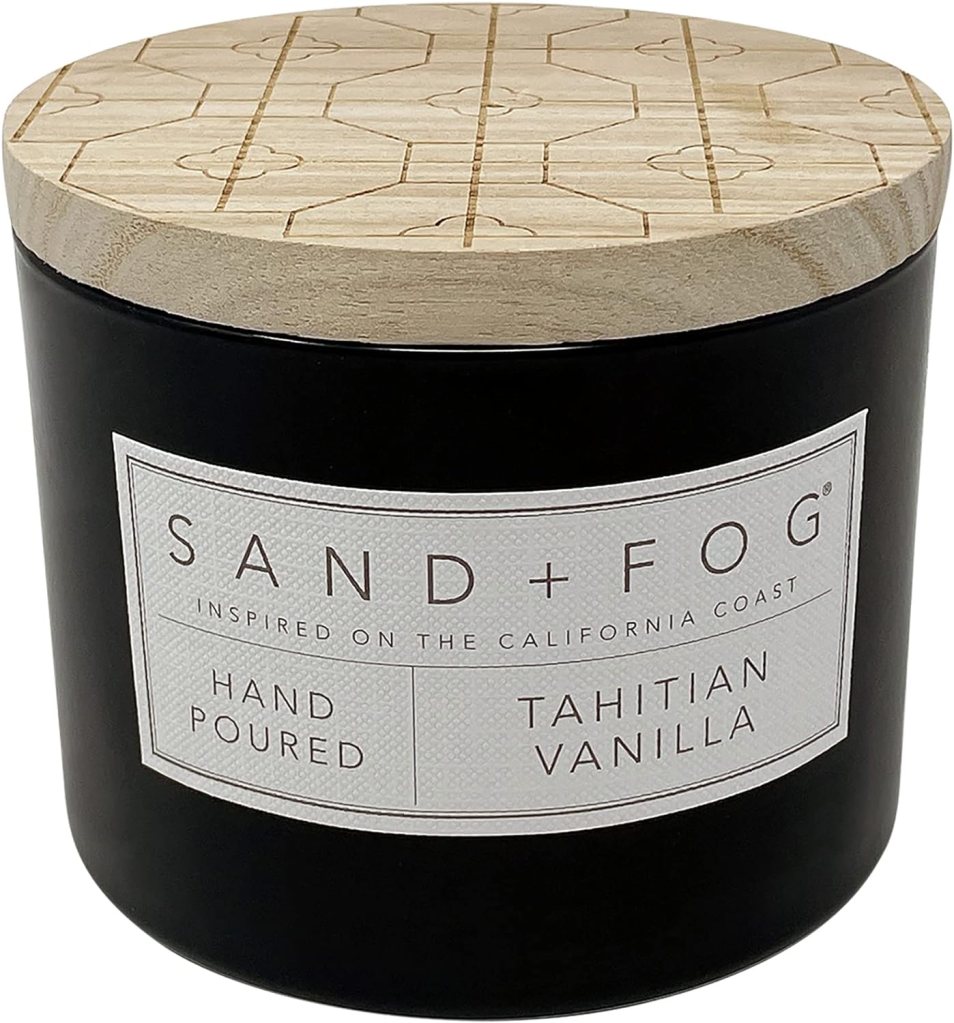
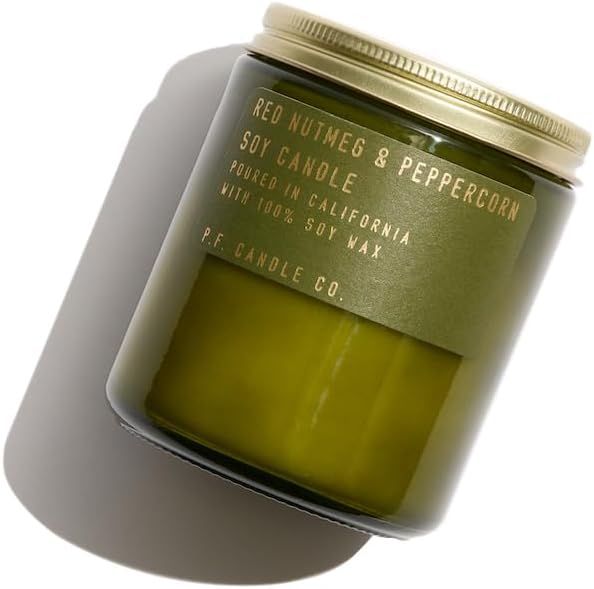
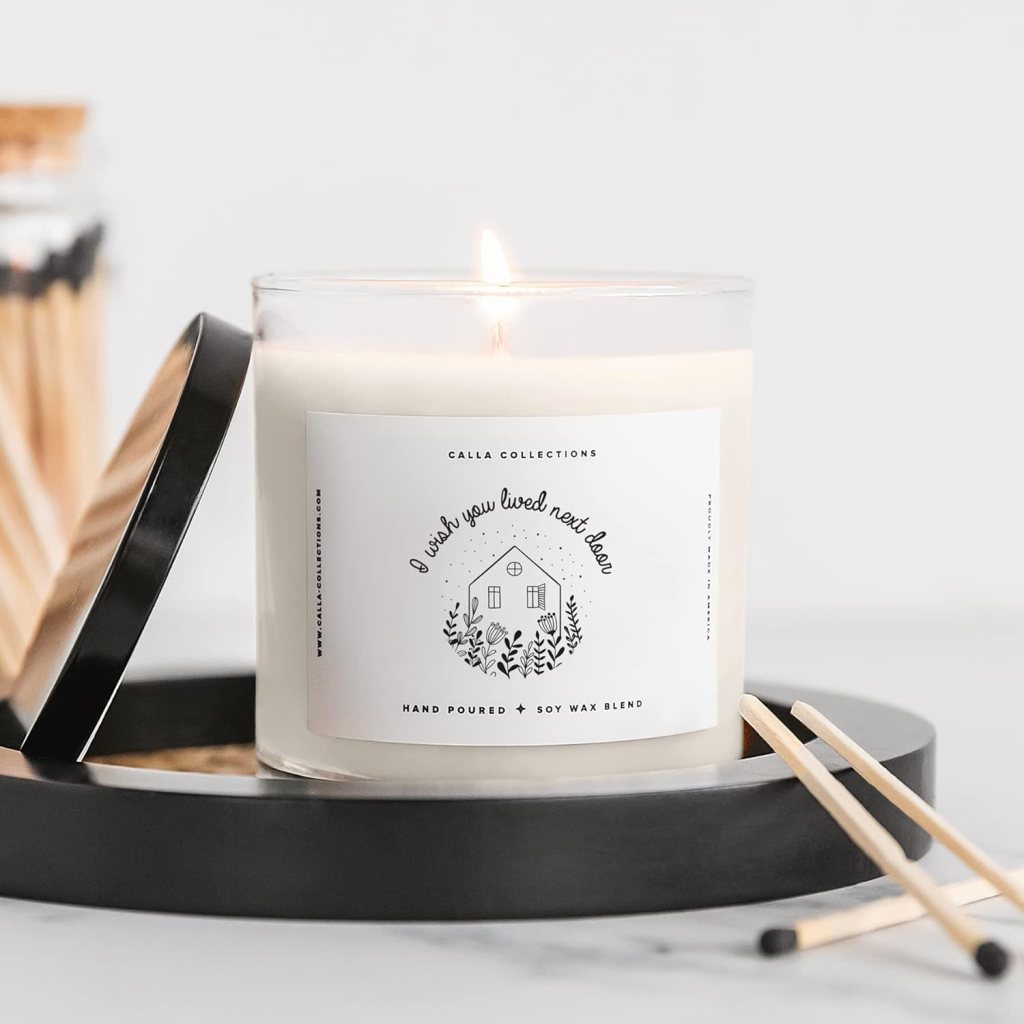
- Opt for Natural Waxes: Look for candles made from beeswax or soy wax. These natural materials burn cleaner and are biodegradable, reducing the risk of indoor air pollution.
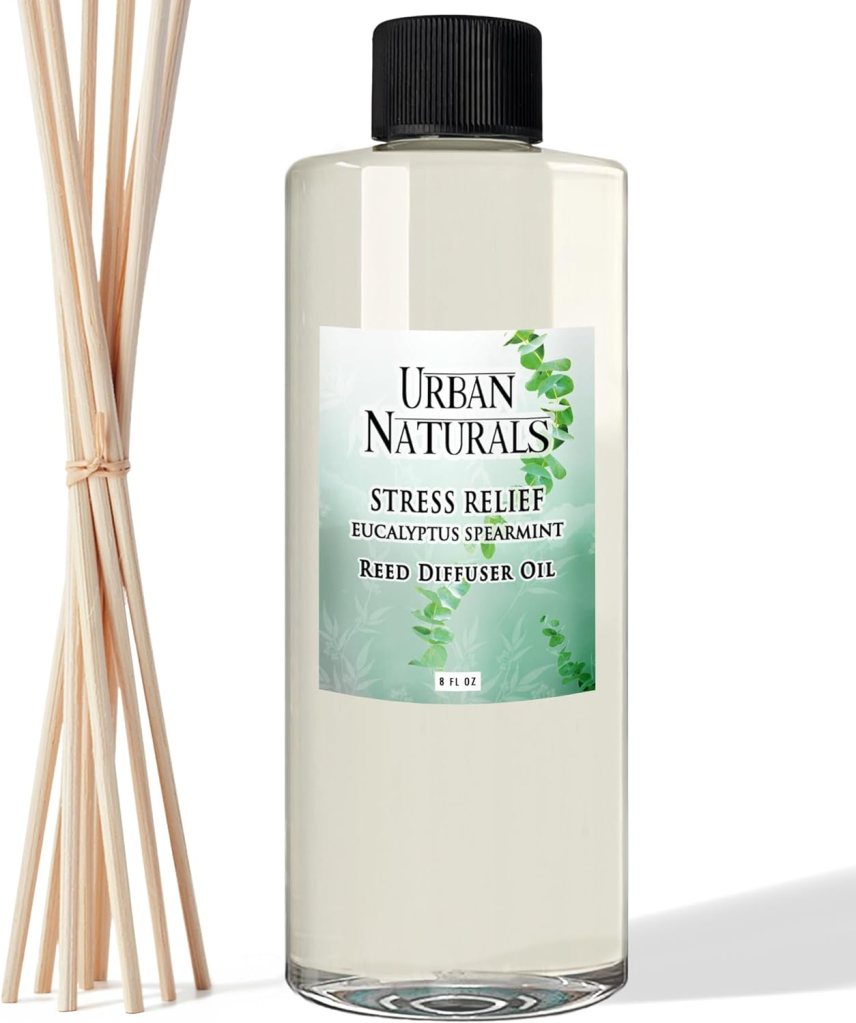
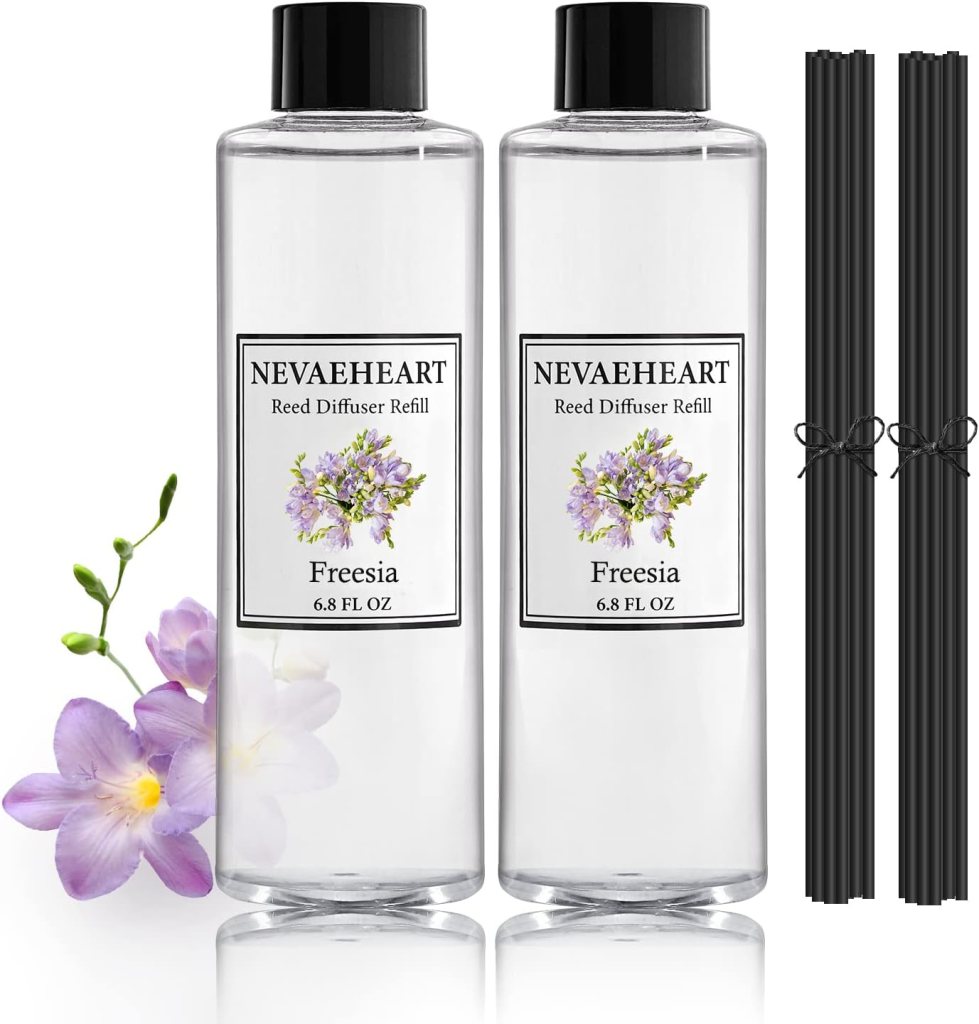
- Essential Oil Diffusers: Instead of air fresheners, consider using essential oil diffusers. They disperse natural oils into the air, providing a pleasant aroma without the use of harmful chemicals.
- Non-Toxic Labels: Seek out products labeled as non-toxic or free from phthalates, parabens, and synthetic dyes. Brands that prioritize transparency and list all ingredients are often a safer bet.
- Unscented Options: If you enjoy the ambiance of candles but want to avoid any potential risks, unscented candles are a good choice. They offer the same cozy glow without any fragrance-related concerns.
- Ventilation: Regardless of the candles or air fresheners you use, adequate ventilation is crucial. Open windows and doors periodically to allow fresh air in and dilute indoor pollutants.
- DIY Alternatives: You can create your own air fresheners using natural ingredients like baking soda, vinegar, and essential oils. Homemade potpourri and dried herbs are also excellent natural fragrance sources.
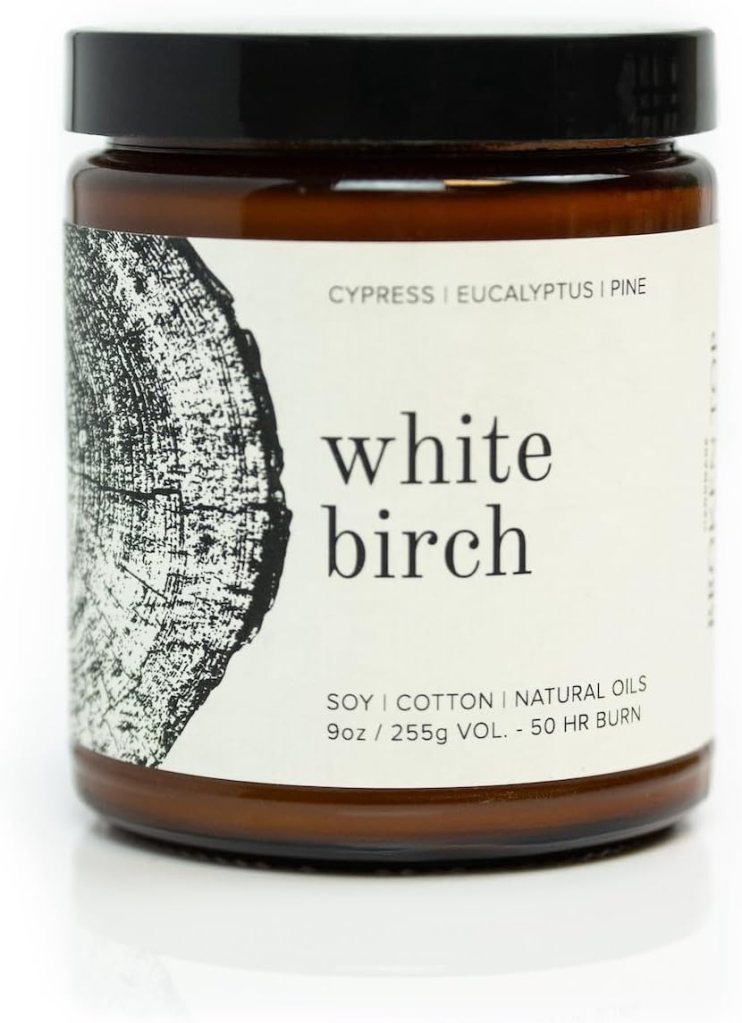
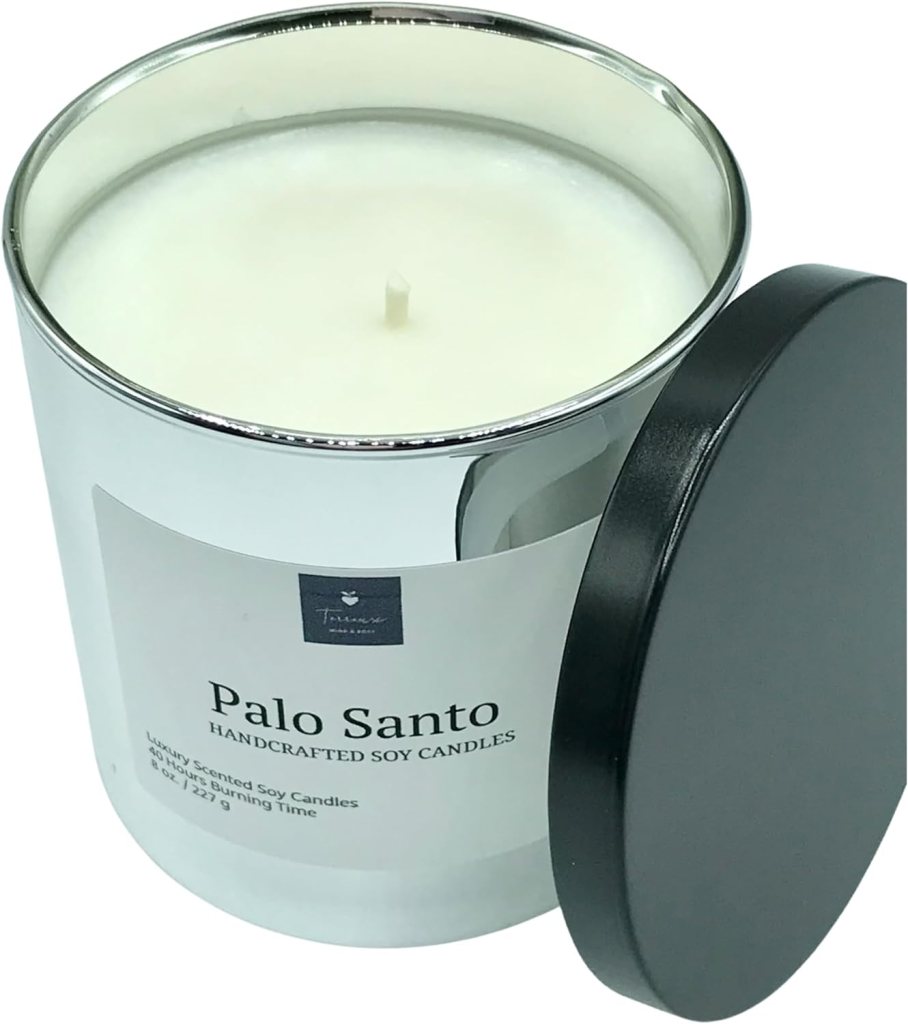
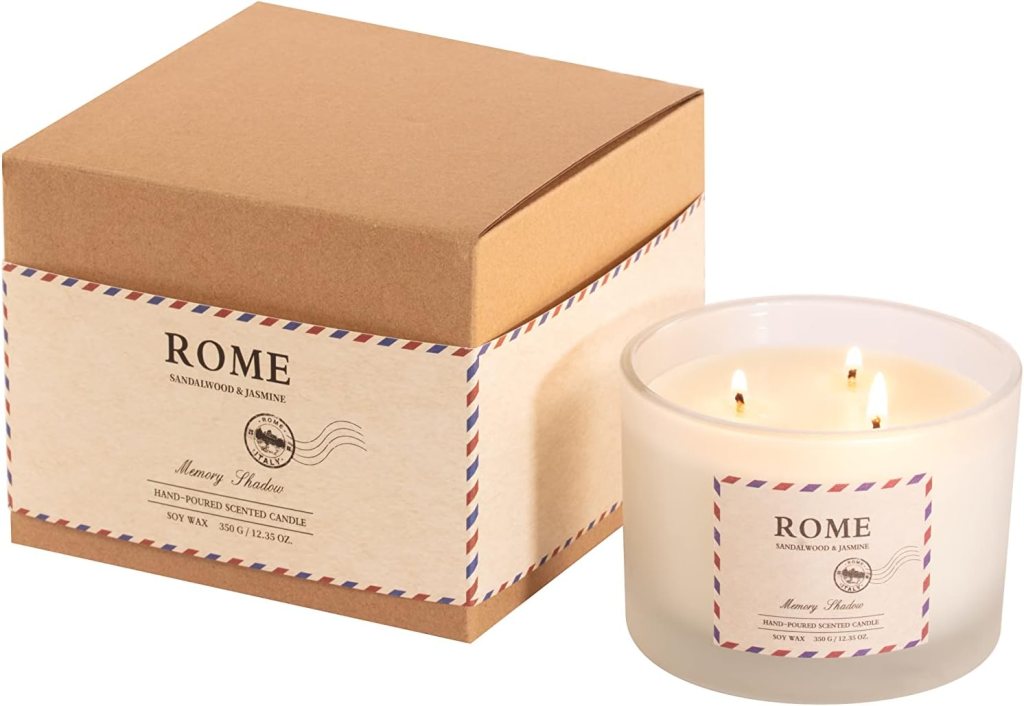
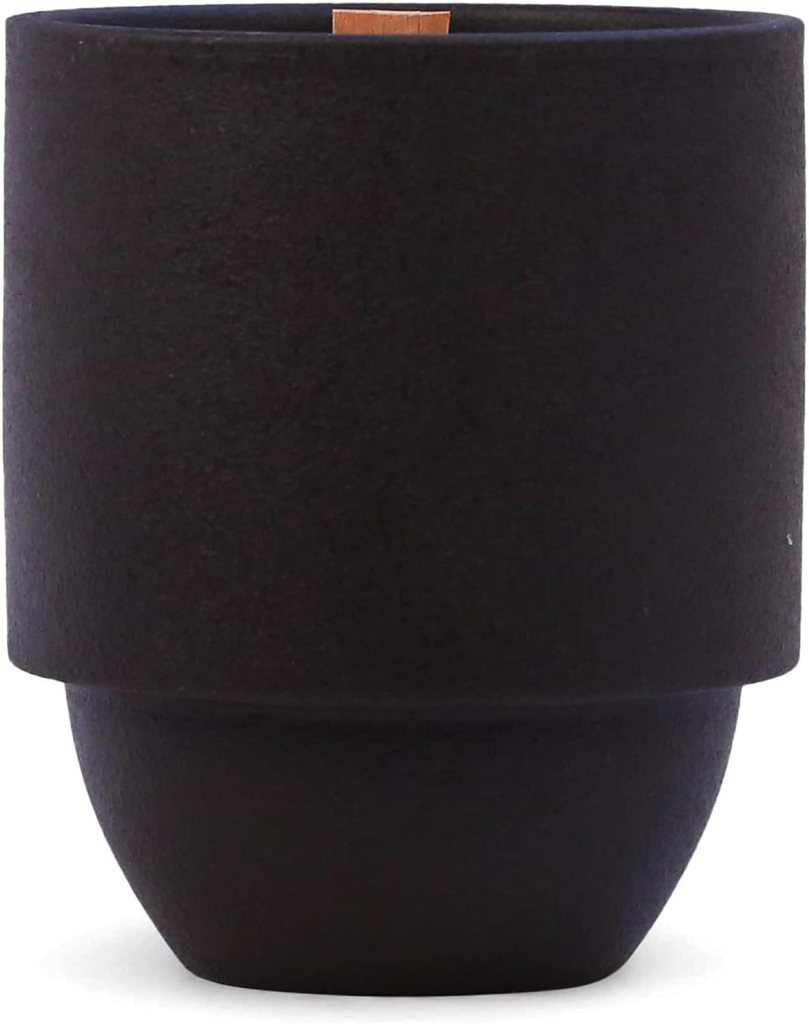
100% Soy Candles with Cotton Wicks


Oil Reed Diffusers

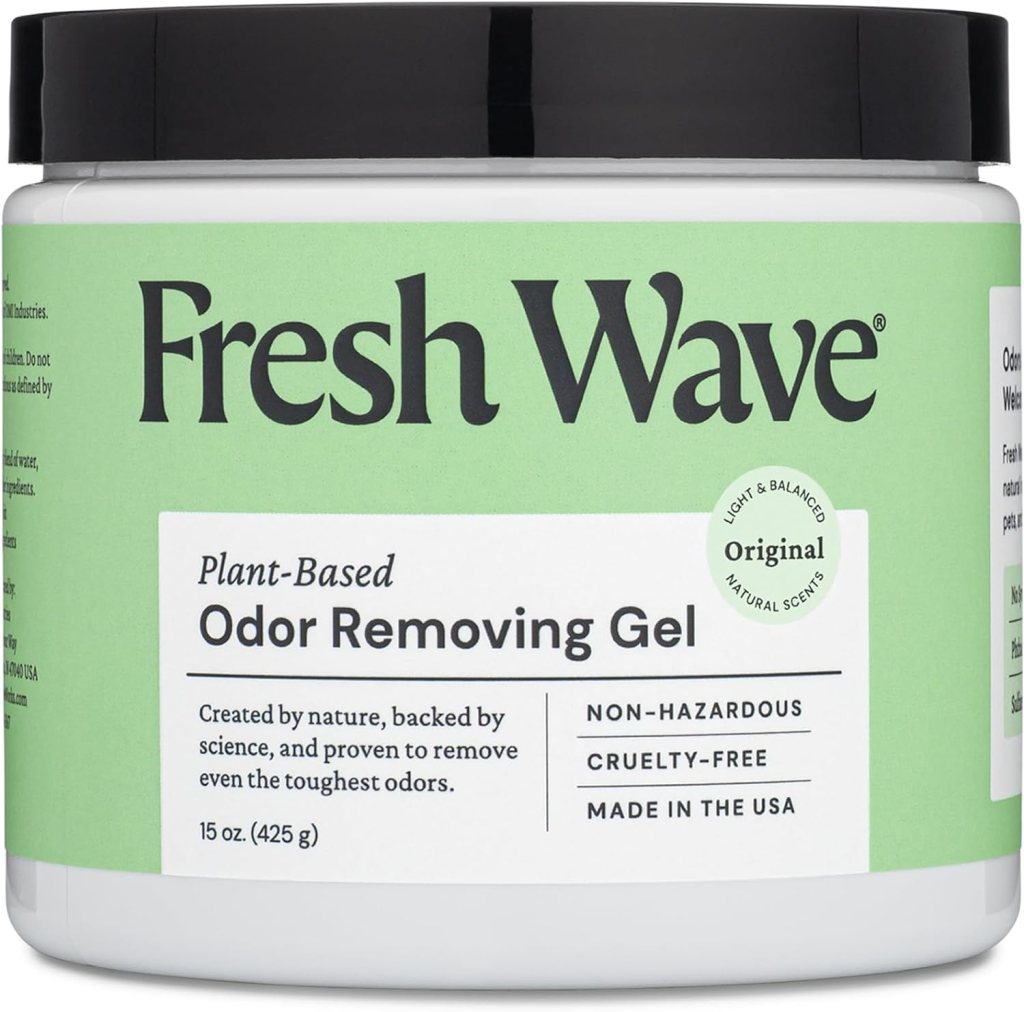
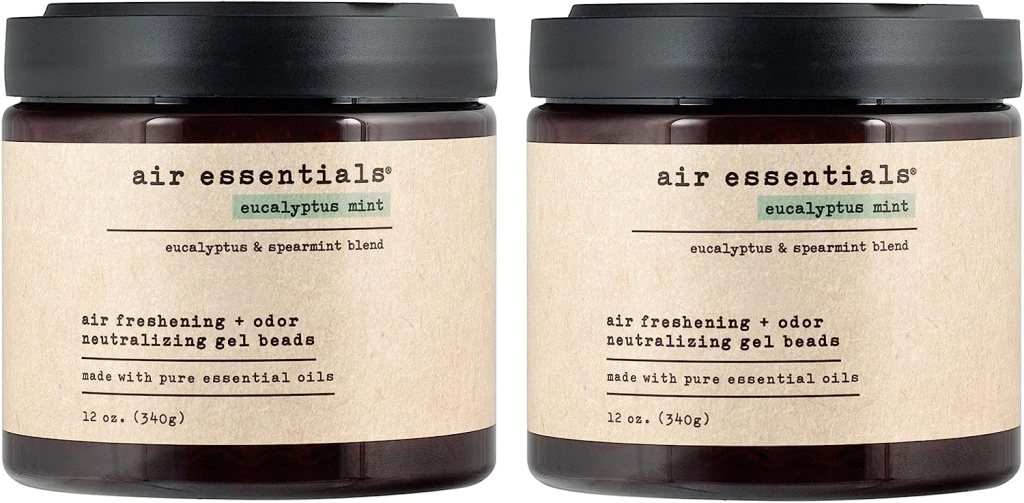
Odor Removing Gel non-toxic, non-GMO, and non-hazardous, no chemicals, synthetic perfumes, alcohol, or phthalates.
RELATED ARTICLE: Neem Oil: Nature’s Solution for Healthier Houseplants
Conclusion:
While scented candles and air fresheners can enhance the atmosphere of our homes, it’s essential to be aware of their potential health risks. By opting for natural, non-toxic options and ensuring proper ventilation, we can enjoy the benefits of a fragrant home without compromising our well-being. As consumers, staying informed and making conscious choices allows us to navigate the aromatic aisles with confidence and health in mind.
Sources:
- Fine, P.M., Cass, G.R., & Simoneit, B.R.T. (2009). Chemical Characterization of Fine Particle Emissions from Candles. Journal of Environmental Health.
- Clearing the Air: Hidden Hazards of Air Fresheners. (2007). Natural Resources Defense Council (NRDC).
- International Agency for Research on Cancer (IARC) – Agents Classified by the IARC Monographs.
 GOODIE LIVING