
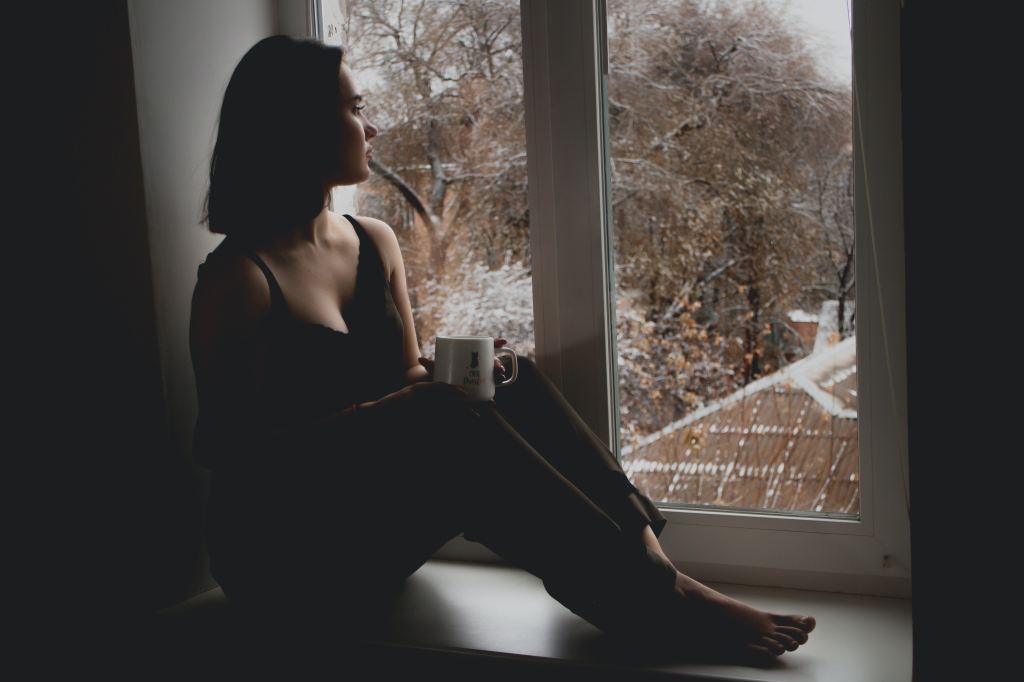
As the days grow shorter and the temperatures drop, many of us find ourselves feeling a little down. But for some, this seasonal change brings about a more serious shift in mood and energy levels, known as Seasonal Affective Disorder (SAD).
Understanding Seasonal Affective Disorder (SAD)
SAD is a type of depression that’s related to changes in seasons, typically starting in the fall and continuing into the winter months. According to the American Psychiatric Association, about 5% of adults in the U.S. experience SAD, and it typically lasts about 40% of the year. It’s more common in women than men and is more prevalent in northern regions (American Psychiatric Association, n.d.).
Symptoms of SAD may include feeling depressed most of the day, losing interest in activities you once enjoyed, having low energy, experiencing changes in your appetite or weight, having difficulty sleeping or oversleeping, and feeling sluggish or agitated (Mayo Clinic, 2017).
RELATED ARTICLE: Everyday Gratitude: Small Gestures with Big Impact
Causes of SAD
The exact cause of SAD isn’t fully understood, but it’s believed to be related to a lack of sunlight. Reduced sunlight in fall and winter can disrupt your body’s internal clock and lead to feelings of depression. Additionally, a drop in serotonin, a brain chemical that affects mood, might play a role in SAD. Reduced sunlight can cause a drop in serotonin that may trigger depression. The change in season can also disrupt the balance of the body’s level of melatonin, which plays a role in sleep patterns and mood (National Institute of Mental Health, n.d.).
Strategies for Coping with SAD
If you’re struggling with SAD, there are several strategies you can employ to help manage your symptoms:
- Light Therapy (Phototherapy)
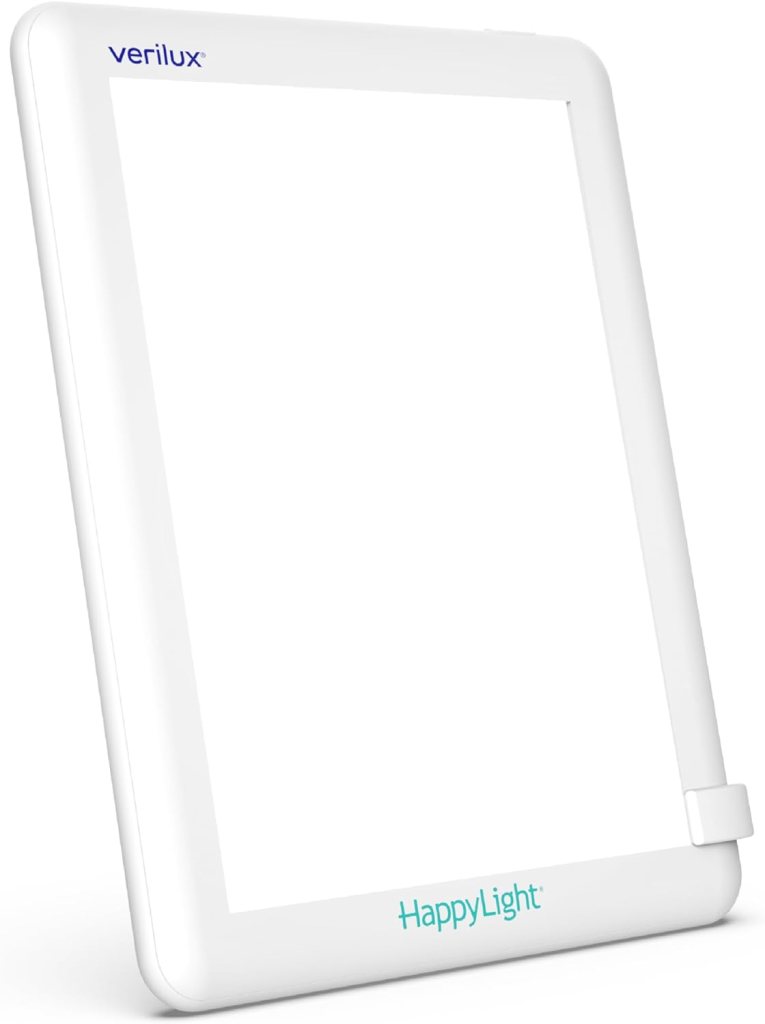
One of the primary treatments for SAD is light therapy, which involves sitting near a light therapy box that emits a bright light mimicking natural outdoor light. It’s believed to cause a chemical change in the brain that lifts your mood and eases other symptoms of SAD (Mayo Clinic, 2017).
- Vitamin D
Some studies suggest that vitamin D might play a role in SAD. Since people with SAD may produce less Vitamin D due to reduced sunlight exposure, taking a vitamin D supplement could potentially improve your mood. However, more research is needed to understand the connection between vitamin D levels and SAD (Melrose, 2015).
- Medication
If symptoms are severe, your doctor might recommend an antidepressant. It’s important to follow your doctor’s advice regarding medication, including potential side effects (Mayo Clinic, 2017).
- Psychotherapy
Cognitive-behavioral therapy (CBT) can be an effective treatment for SAD. CBT can help you learn healthy ways to cope with SAD, including changing negative thoughts and behaviors that may be making you feel worse (National Institute of Mental Health, n.d.).
- Lifestyle and Home Remedies
In addition to these treatments, certain lifestyle changes can help ease SAD symptoms:
- Make your environment sunnier and brighter: Open blinds, trim tree branches that block sunlight, and sit closer to bright windows while at home or in the office.
- Get outside: Take a long walk, eat lunch at a nearby park, or simply sit on a bench and soak up the sun. Even on cold or cloudy days, outdoor light can help — especially if you spend some time outside within two hours of getting up in the morning.
- Exercise regularly: Regular physical activity can help relieve stress and anxiety, both of which can increase SAD symptoms. Being more fit can make you feel better about yourself, too, which can lift your mood.
- Socialize: When you’re feeling down, it can be hard to be social. Make an effort to keep up with social activities even if you don’t feel like it. Socializing can improve your mood. Better yet, talk to loved ones about what you’re experiencing.
- Take a trip: If possible, take winter vacations in sunny, warm locations if you have winter SAD or to cooler locations if you have summer SAD.
RELATED ARTICLE: 23 Inspiring Quotes to Cultivate a Heart Full of Gratitude
Conclusion
Seasonal Affective Disorder is more than just the “winter blues.” It’s a real type of depression that can significantly impact your quality of life. If you think you might have SAD, it’s important to talk to your doctor or mental health professional. With the right treatment, you can manage your symptoms and enjoy all the seasons of the year.
References
- American Psychiatric Association. (n.d.). Seasonal Affective Disorder (SAD). Retrieved from https://www.psychiatry.org/patients-families/depression/seasonal-affective-disorder
- Mayo Clinic. (2017, October 25). Seasonal affective disorder (SAD). Retrieved from https://www.mayoclinic.org/diseases-conditions/seasonal-affective-disorder/symptoms-causes/syc-20364651
- National Institute of Mental Health. (n.d.). Seasonal Affective Disorder. Retrieved from https://www.nimh.nih.gov/health/topics/seasonal-affective-disorder/index.shtml
- Melrose, S. (2015). Seasonal Affective Disorder: An Overview of Assessment and Treatment Approaches. Depression research and treatment, 2015, 178564. https://doi.org/10.1155/2015/178564
 GOODIE LIVING