

You may have come across the term “hygge” while scrolling through lifestyle blogs or browsing in a bookstore. Pronounced “hoo-gah,” this Danish word has become a global buzzword, synonymous with cozy interiors, warm drinks, and a feeling of contentment. But what exactly does it mean, who celebrates it, and what are its origins? This article will delve into the multifaceted world of hygge to give you a more profound understanding.
What is Hygge?
The concept of hygge is deeply ingrained in Scandinavian culture, so much so that it is less formally “taught” and more naturally “lived” and “experienced” from an early age. The transmission of hygge in Scandinavian societies can be seen in several ways:

- Family Life
Hygge often starts in the home. From an early age, children are exposed to the concept through family activities that emphasize togetherness, comfort, and relaxation. Simple rituals like a family dinner, weekend gatherings, or bedtime stories are usually the first instances where children experience hygge. - Cultural Traditions
Many Scandinavian traditions, such as Christmas celebrations, Midsummer festivals, or even casual Friday ‘fika’ (coffee breaks) in Sweden, are imbued with elements of hygge. The way these traditions prioritize community, togetherness, and simple joys serves as an unspoken lesson in hygge for people of all ages. - Education System
While hygge may not be a subject in school, the Scandinavian education system itself is designed in a way that reflects the principles of hygge. Emphasis on collaborative learning, lesser homework burdens compared to other Western countries, and even the design of classrooms can contribute to a more “hyggelig” (hygge-like) atmosphere. - Social Policies
Denmark and Norway are known for their robust social welfare systems, which contribute to a sense of security and well-being—key elements of hygge. These policies underline the importance of balance and contentment in life, echoing the hygge philosophy on a societal level. - Public Spaces and Architecture
Scandinavian architectural and interior design often carry the hallmarks of hygge: minimalism, functionality, and comfort. Public spaces are designed to be welcoming and cozy, often featuring warm lighting and communal seating areas, encouraging a sense of community and togetherness that aligns with hygge principles. - Media and Literature
Books, blogs, and television programs about lifestyle and well-being often discuss hygge, either explicitly or implicitly. It’s not uncommon to find magazine articles or lifestyle segments devoted to tips for creating a more hyggelig home or lifestyle. - Intergenerational Transmission
Much like folklore or family traditions, the essence of hygge is often passed down through generations. Grandparents, parents, and other family members play a pivotal role in imparting the nuances of this lifestyle, often without labeling it as such. - Social Interaction
Finally, the spirit of hygge is perpetuated in day-to-day interactions. Whether it’s a shared meal, a cozy gathering with friends, or even the simple act of lighting a candle to make an ordinary day special, the tenets of hygge are continually reinforced through lived experience.
Hygge is not a luxury but a lived necessity.
In essence, hygge is less a set of rules to follow and more a way of being that Scandinavians absorb organically through their culture, community, and lifestyle.
The History of Hygge
Scandinavian Roots
Emerging from the frost-laced landscapes and long, dark winters of Scandinavia, hygge has ancestral roots that trace back to the Viking Age, roughly between the late 8th and early 11th centuries. While many believe that the concept may have emerged as a survival tactic against the harsh Nordic climate, it’s crucial to recognize that hygge transcends seasonality, evolving into a year-round philosophy for Scandinavians by the 19th century.
The term “hygge” itself is thought to have evolved from the Old Norse word ‘hyggja,’ used as early as the 8th century, which signified comfort, thought, or a sense of mental ease. Over the centuries, particularly by the time Denmark and Norway became modern nation-states in the 19th century, the concept had matured into an integral, almost sacred, part of Scandinavian culture.
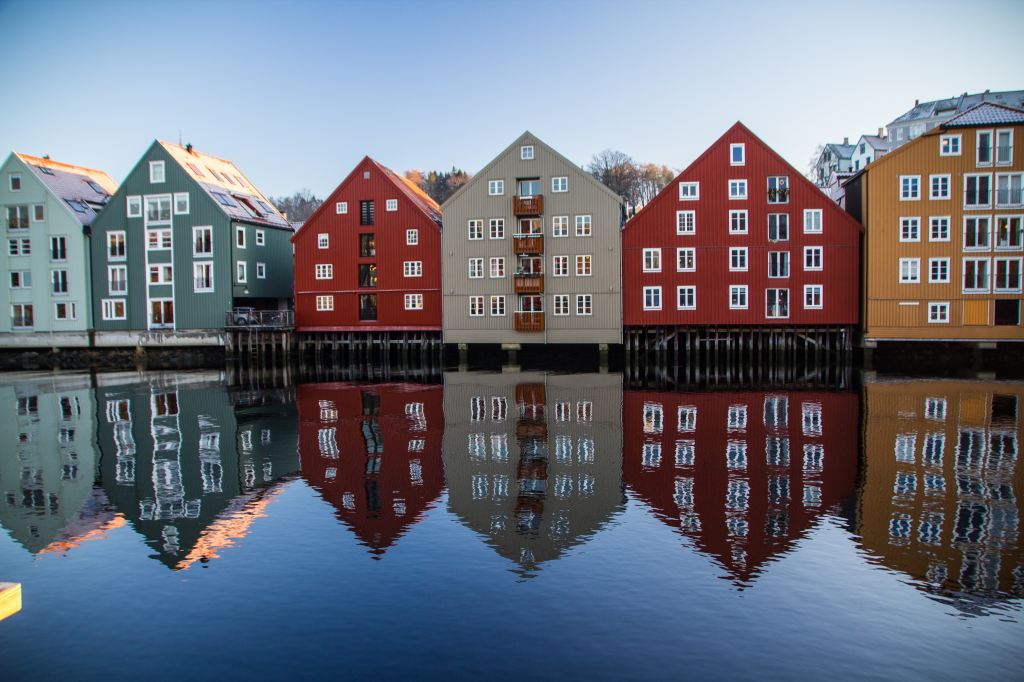
By the 20th century, hygge began to permeate every facet of life in these countries, finding its expression in myriad ways: from family gatherings that prioritize meaningful conversations over digital distractions, to an architectural ethos of the mid-century that emphasizes natural light and intimate spaces, to the work-life balance policies enacted as early as the 1930s that contribute to Denmark and Norway consistently ranking high on global happiness indexes.
In modern Scandinavian societies, particularly from the latter half of the 20th century to the present day, hygge is not a luxury but a lived necessity. It’s become a collective cultural practice that contributes significantly to high levels of well-being and contentment. It’s the art of creating “comfort zones” within everyday life—spaces of physical, emotional, and spiritual respite.
Through its rich historical journey, stretching from the Viking Age to our contemporary era, hygge has not only shaped Scandinavian lifestyles but also fundamentally influenced their collective understanding of what it means to live a fulfilling, balanced life.
Widespread Popularity
The global fascination with hygge can be traced back to around 2016 when it started appearing in various international lifestyle publications. It rapidly gained momentum, culminating in a slew of books, articles, and products aimed at helping people achieve a hygge lifestyle.
Sociocultural Factors
The concept of hygge likely gained traction because of the increasing levels of stress and mental health issues seen worldwide. With its focus on simplicity, mindfulness, and well-being, hygge offers an antidote to the complexities of modern living.
Why Hygge Resonates
- Mindfulness: At its core, hygge encourages us to be present in the moment, whether we are alone or with others.
- Simplicity: It is a celebration of simple pleasures—like reading a book, savoring a cup of tea, or having a heart-to-heart conversation.
- Community and Togetherness: Hygge emphasizes the importance of social bonds. It is often enjoyed in the company of loved ones, making it an inclusive practice.
Conclusion
Hygge is more than just a trend; it’s a lifestyle choice that taps into our basic need for comfort, community, and a sense of belonging. Its roots may be Scandinavian, but its principles are universal, making it a globally celebrated phenomenon. As the world becomes increasingly complex, hygge serves as a gentle reminder to pause, take a deep breath, and savor the simple joys that life has to offer.
 GOODIE LIVING