
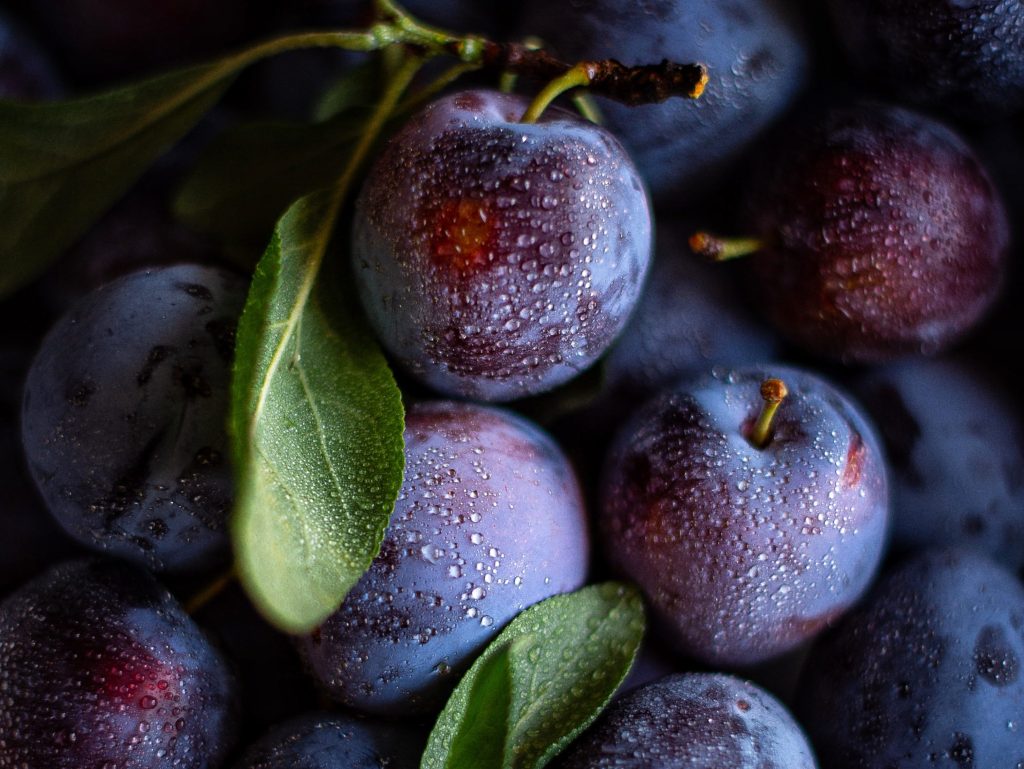
Cleaning fruits and vegetables with vinegar before consumption offers a natural and effective way to remove potential contaminants such as dirt, pesticides, and bacteria from their surfaces. Vinegar’s acetic acid properties aid in breaking down residues and enhancing overall cleanliness, promoting a healthier and safer diet. This simple step helps ensure that the produce you consume is thoroughly cleaned, reducing the risk of ingesting harmful substances and contributing to your overall well-being.
RELATED ARTICLE: White Vinegar: Your Eco-Friendly Cleaning and Cooking Superstar
Why Vinegar?
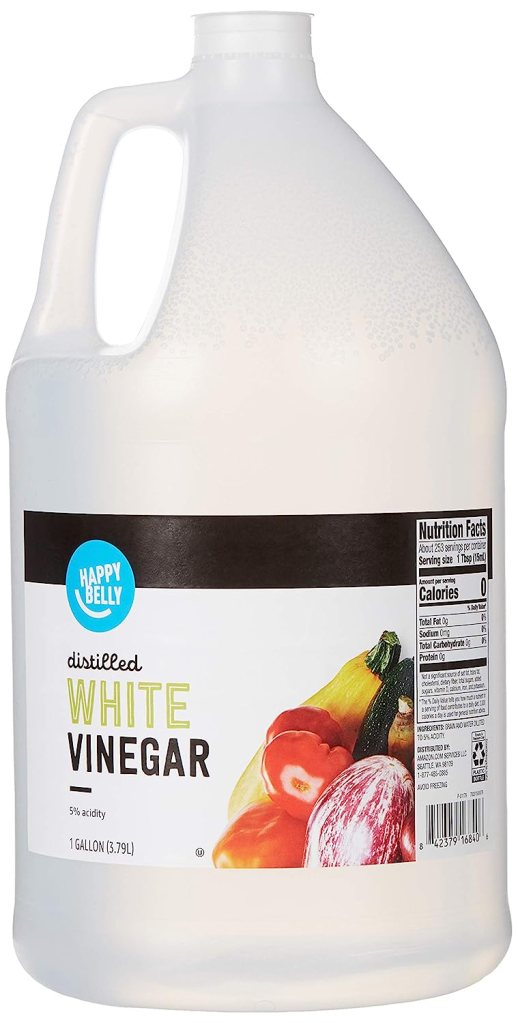
Vinegar, particularly distilled white vinegar, has long been recognized for its cleaning and sanitizing properties. Its acetic acid content makes it effective in breaking down and removing dirt, pesticides, and potentially harmful bacteria from the surface of fruits and vegetables.
What You’ll Need:
- Distilled white vinegar
- Water
- A large bowl or basin
- A colander or strainer
- A clean towel or paper towels
The Cleaning Process:
- Create the Solution: Mix a solution of 1 part distilled white vinegar and 3 parts water. For example, if you’re using 1 cup of vinegar, combine it with 3 cups of water.
- Prepare Your Produce: Remove any visible dirt or debris from your fruits and vegetables by gently rinsing them under cold water.
- Soak the Produce: Place the produce in a large bowl or basin. Ensure that the container is big enough to comfortably hold the amount of produce you’re cleaning.
- Add the Vinegar Solution: Pour the vinegar-water solution over the produce, making sure they are completely submerged.
- Gently Agitate: Gently stir the produce in the solution, allowing the vinegar to reach all parts of the surface. Be cautious not to bruise or damage delicate fruits or vegetables.
- Soak Time: Allow the produce to soak in the vinegar solution for approximately 5 to 10 minutes. This allows the vinegar to effectively break down contaminants.
- Rinse Thoroughly: After soaking, remove the produce from the vinegar solution and rinse it thoroughly under cold running water. Ensure that all traces of vinegar are washed away.
- Air Dry: Place the cleaned produce on a clean towel or paper towels to air dry. Alternatively, pat them dry with a clean cloth.
Tips and Considerations:
- Delicate fruits and vegetables like berries may not tolerate prolonged soaking. In such cases, consider using a gentle spray of the vinegar solution followed by thorough rinsing.
- Organic produce may still contain dirt and bacteria, so cleaning is recommended even if you choose organic options.
- The vinegar solution can help remove some pesticide residues, but it might not eliminate all traces. Opting for organic produce whenever possible can further reduce exposure to pesticides.
By incorporating this simple and natural vinegar cleaning method into your routine, you can take a proactive step towards ensuring that the fruits and vegetables you consume are as clean and safe as possible. With vinegar’s powerful yet gentle cleaning properties, you can savor your produce with peace of mind, knowing you’ve taken a proactive approach to your health.
 GOODIE LIVING