
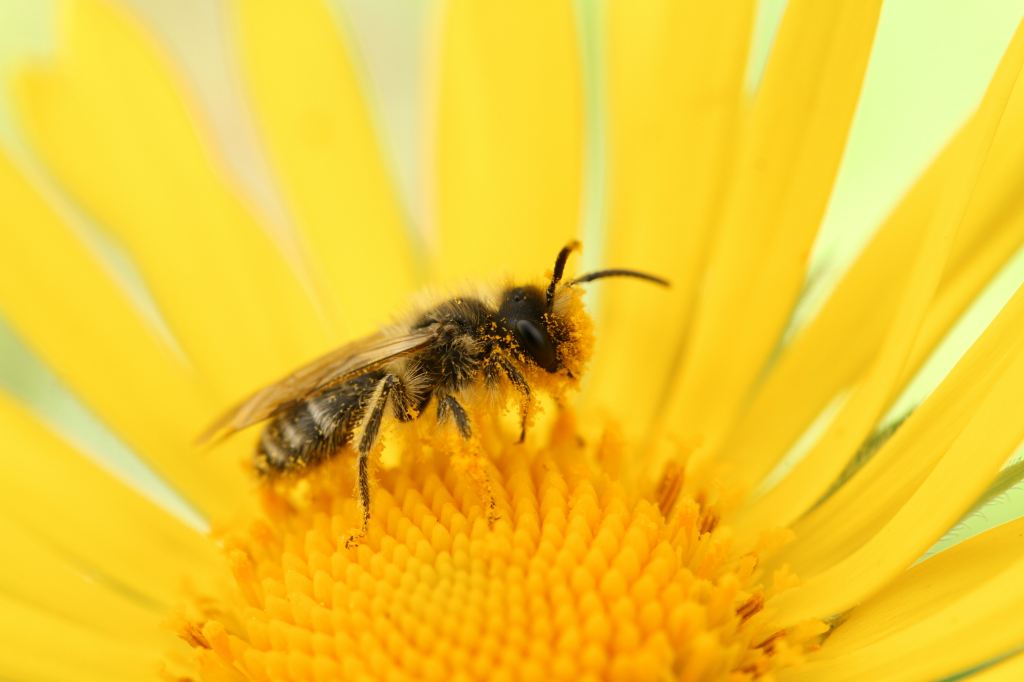
The warm embrace of outdoor activities often brings us into close contact with nature’s creatures, including the industrious honeybee. While these pollinators play a vital role in the ecosystem, a chance encounter can sometimes result in a bee sting. Whether it’s a curious child exploring a garden or an adult enjoying a picnic, knowing how to respond to a bee sting can alleviate discomfort and promote a swift recovery. In this essay, we explore the immediate actions and effective remedies to employ when stung by a bee.
Immediate Actions:
Upon being stung by a bee, the first priority is to minimize pain and prevent further complications. Here are the immediate steps to take:
1. Remove the Stinger: If the stinger is still embedded in the skin, it should be removed as quickly as possible. Use a fingernail or a flat, straight-edged object to gently scrape it out. Avoid using tweezers, as squeezing the stinger may release more venom.
2. Wash the Area: Clean the affected area with mild soap and water to reduce the risk of infection. Pat the area dry using a clean cloth.
3. Apply Cold Compress: To alleviate pain and swelling, apply a cold compress or ice wrapped in a cloth to the sting site. This can also help reduce inflammation and numb the area.
4. Elevate the Area: If the sting is on an extremity, elevating it slightly can help reduce swelling.
Effective Remedies:
Beyond the immediate actions, there are several effective home remedies and over-the-counter solutions that can provide relief and promote healing:
1. Baking Soda Paste: Mix baking soda with water to create a paste and apply it to the sting site. Baking soda’s alkaline nature can help neutralize the acidic venom.
2. Honey: Applying a small amount of honey to the bee sting can help soothe the pain and reduce inflammation due to its natural antibacterial properties.
3. Aloe Vera Gel: Aloe vera gel is known for its cooling and soothing properties. Applying it to the sting area can provide relief from itching and discomfort.
4. Calamine Lotion: Calamine lotion can help alleviate itching and irritation caused by the bee sting. Apply a thin layer to the affected area.
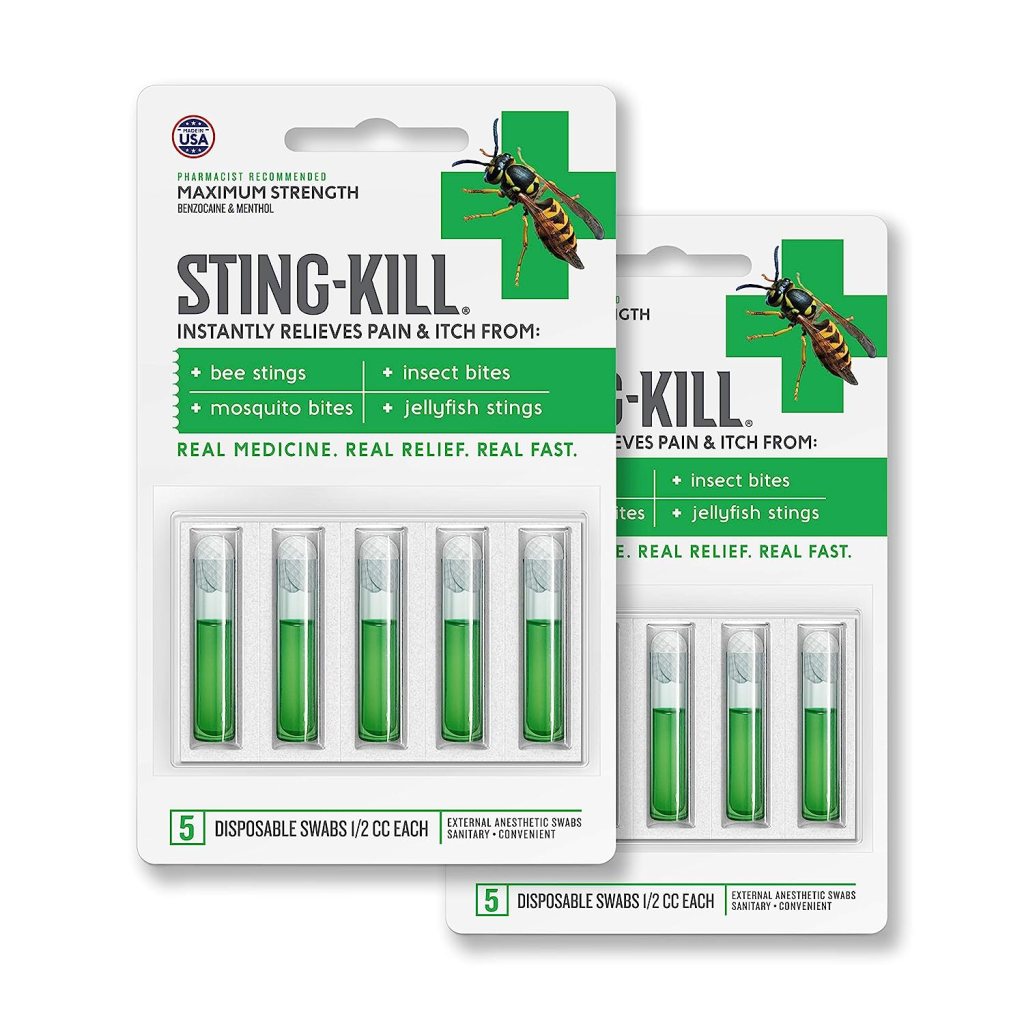
5. Over-the-Counter Pain Relievers: Non-prescription pain relievers such as ibuprofen or acetaminophen can help reduce pain and discomfort. Use hydrocortisone for itch relief.
6. Antihistamines: If there is an allergic reaction or significant swelling, over-the-counter antihistamines, like Benadryl, can help alleviate symptoms. However, severe allergic reactions require immediate medical attention.
When to Seek Medical Attention:
While most bee stings result in minor discomfort, some individuals may have severe allergic reactions known as anaphylaxis. Seek medical attention if any of the following symptoms are observed:
- Difficulty breathing or wheezing
- Swelling of the face, lips, or throat
- Rapid heartbeat
- Dizziness or fainting
- Nausea and vomiting
RELATED ARTICLE: Neem Oil: Nature’s Solution for Healthier Houseplants
Conclusion: Preparedness and Response Matter:
Being stung by a bee can be distressing, but knowing how to respond effectively can make a significant difference in alleviating pain and ensuring a smooth recovery. Immediate actions such as stinger removal, cleansing the area, and applying cold compresses can help minimize discomfort. Utilizing remedies like baking soda, honey, and aloe vera can further promote healing and soothe the sting site. If allergic reactions are observed, prompt medical attention is crucial. By understanding these steps and remedies, we can navigate encounters with bees with confidence, ensuring our enjoyment of the great outdoors remains as sweet as the honey they produce.
 GOODIE LIVING