
For centuries, various cultures around the world have turned to bath salts as a remedy for numerous ailments and as a means of rejuvenation. From the ancient Egyptians to modern-day spa enthusiasts, the allure of salt-infused waters seems timeless. But what is it about salt baths that make them so beneficial? Let’s dive in.
- Detoxification:
- Muscle Relaxation:
- Stress Reduction:
- Improved Sleep:
- Skin Nourishment:
- Enhanced Circulation:
- Respiratory Benefits:
- Joint Health:
- A Natural Exfoliant:
- Spiritual and Emotional Release:
- Types of Salt for a Home Salt Bath
- General Guidelines:
- Tingling after a salt bath can be attributed to several reasons:
- Conclusion:
Detoxification:
Salt baths, particularly those with Epsom salts (magnesium sulfate), can facilitate the process of detoxification. When dissolved in warm water, these bath salts are believed to help draw out toxins from the body, leaving you feeling refreshed and purified.
The idea that salt baths “draw out toxins” from the body is a common belief, but the process is not entirely understood or scientifically proven in the way it’s often described. Here’s a breakdown of what we do know:
- Osmosis: One theory is based on the principle of osmosis. When there’s a concentration gradient (like a salt-rich bath compared to the salt levels on your skin), water moves from areas of low concentration to areas of high concentration. This process could potentially help pull impurities from the skin.
- Sweating and Detoxification: Soaking in a warm bath, salted or not, can induce sweating, which is one of the body’s natural mechanisms for eliminating certain toxins. While sweating can help rid the body of substances like heavy metals and bisphenol A (BPA), attributing this detoxification solely to the salt would be misleading.
- Magnesium Sulfate: Epsom salt baths are rich in magnesium sulfate. Magnesium can be absorbed through the skin, potentially aiding in various bodily functions, though this doesn’t directly equate to “drawing out toxins.”
- Skin Cleansing: Salt has exfoliating properties that can help remove dead skin cells and unclog pores. This cleansing can make the skin feel smoother and appear brighter, but it’s not the same as removing internal toxins from the body.
- Placebo Effect and Relaxation: The psychological effects of a salt bath shouldn’t be underestimated. The belief that you’re detoxifying can lead to a placebo effect, where you genuinely feel better and rejuvenated. Additionally, the relaxation and stress-relief from a warm bath can contribute to overall well-being, which can be mistaken as a “detoxifying” effect.
Parasympathetic Activation: Warm baths can stimulate the body’s parasympathetic nervous system, which is responsible for the “rest and digest” state, as opposed to the “fight or flight” state governed by the sympathetic nervous system.
Muscle Relaxation:
Magnesium, a primary component of Epsom salts, is known to help with muscle function. Soaking in a salt bath can alleviate muscle cramps, reduce inflammation, and help soothe aches and pains. This makes it especially beneficial for athletes or those with physically demanding routines.
Stress Reduction:
Magnesium also plays a role in regulating the body’s stress-response system. A deficiency can exacerbate stress and anxiety. Immersing oneself in a salt bath can provide a calming effect, helping reduce anxiety and promoting relaxation.
Improved Sleep:
Thanks to its relaxation properties, a salt bath before bedtime might improve sleep quality. The calming effect on the mind and muscles can pave the way for a deeper, more restful sleep.
Salt baths, especially those with Epsom salt (magnesium sulfate), can have a relaxing effect on many people, which might lead to feelings of tiredness or sleepiness afterward. Here’s why:
- Magnesium Absorption: Some believe that magnesium from Epsom salt can be absorbed through the skin. Magnesium plays a role in muscle function and relaxation. A deficiency in magnesium might lead to muscle cramps or tension, so replenishing it can result in relaxation.
- Warm Water: The warm water of a bath can help relax muscles and promote a sense of calm, leading to feelings of drowsiness.
- Relaxation: The act of taking time to relax, unwind, and focus on self-care can be a departure from the usual stresses and stimulations of daily life. This shift into a relaxed state can make one feel tired or sleepy.
- Parasympathetic Activation: Warm baths can stimulate the body’s parasympathetic nervous system, which is responsible for the “rest and digest” state, as opposed to the “fight or flight” state governed by the sympathetic nervous system.
However, not everyone will feel tired after a salt bath. Some may feel invigorated or refreshed instead. It’s essential to listen to your body and ensure you are well-hydrated, as baths can be dehydrating. If you plan to take a bath before bed, this sleepiness might be a beneficial side effect, helping you drift into sleep more easily.
Skin Nourishment:
Sea salt baths can exfoliate the skin, removing dead skin cells and leaving it feeling soft and rejuvenated. The minerals present in sea salt, such as magnesium, potassium, and calcium, can nourish the skin and address conditions like psoriasis or eczema.
Enhanced Circulation:
Warm salt baths can stimulate blood circulation, ensuring that nutrients reach our skin and extremities more effectively. Improved circulation can assist in cellular regeneration and overall body function.
Respiratory Benefits:
Inhalation of steam from a warm salt bath can benefit the respiratory system, especially if the salt is rich in minerals. It can help moisturize mucous membranes, reducing inflammation and thinning mucus.
Joint Health:
People with joint conditions like arthritis may find relief from salt baths. The minerals can decrease inflammation, and the buoyancy of water relieves the pressure on joints, allowing for a soothing experience.
A Natural Exfoliant:
While soaking, the granular texture of salts can serve as an exfoliant, scrubbing away dead skin cells and promoting skin health.
Spiritual and Emotional Release:
Many cultures believe in the spiritual cleansing properties of salt. A salt bath can serve as a ritual, allowing for emotional release, grounding, and mental clarity.
RELATED ARTICLE: The Benefits of Massage: Healing and Relaxation at Your Fingertips
Types of Salt for a Home Salt Bath
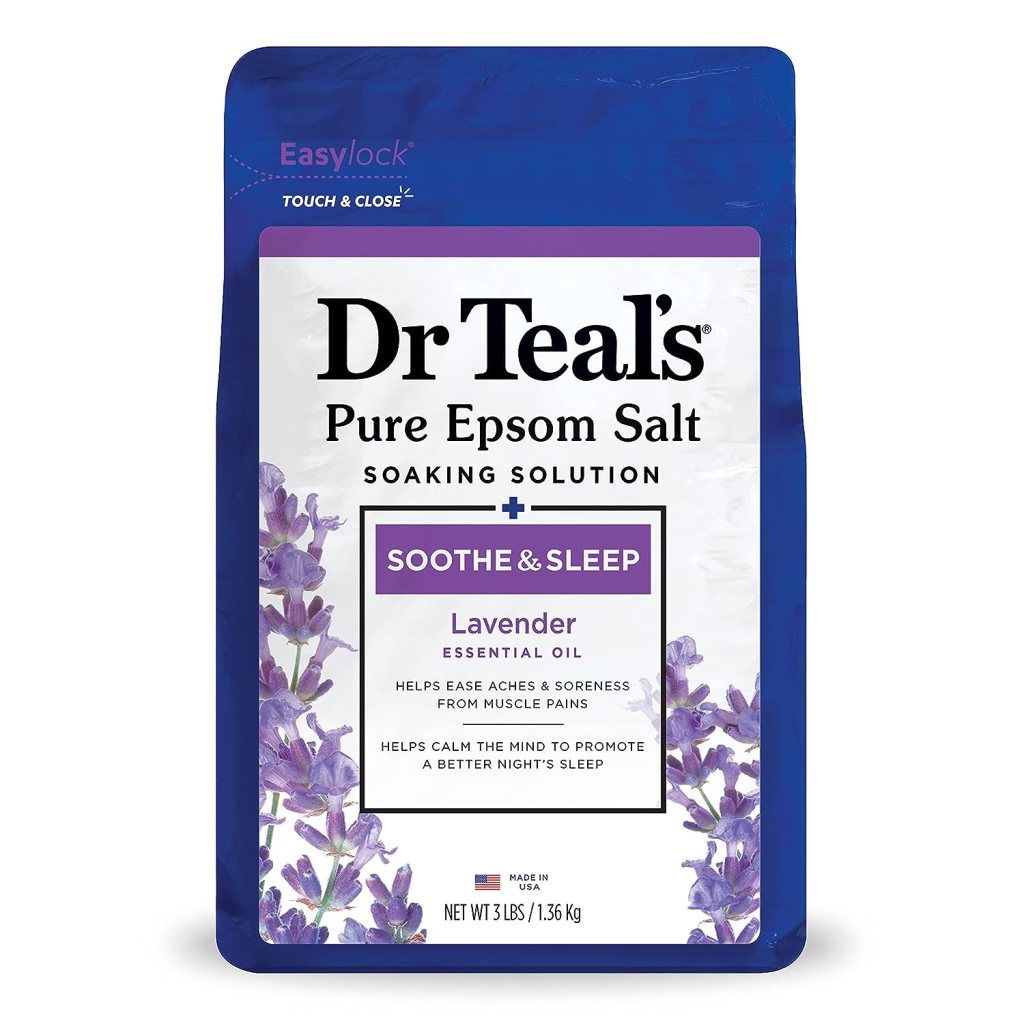
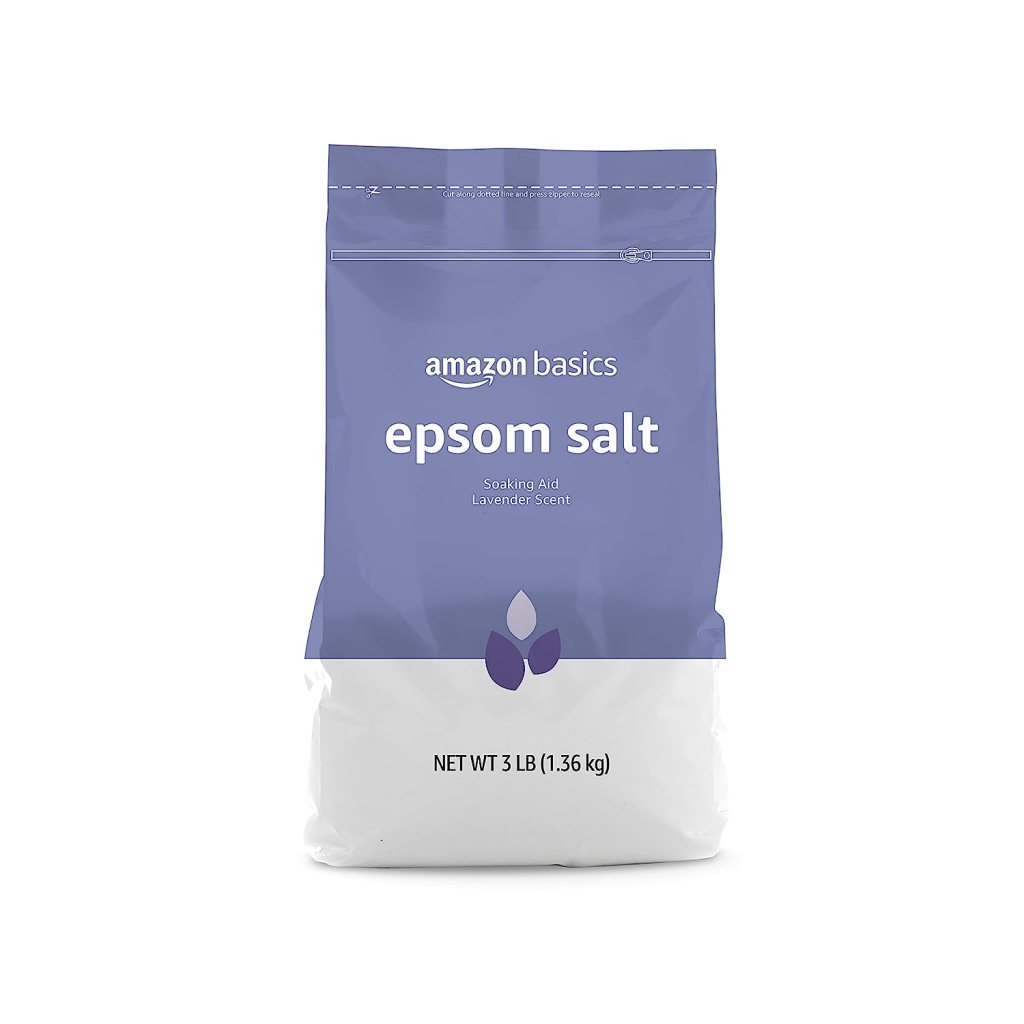
- Epsom Salt (Magnesium Sulfate)
- Purpose: Epsom salt is famed for its potential to soothe sore muscles, reduce inflammation, and provide relaxation. It’s not technically a salt but a naturally occurring mineral compound of magnesium and sulfate.
- Amount: For a standard-sized bathtub, you can use 1 to 2 cups of Epsom salt. If you have a larger tub or want a more concentrated bath, you can use up to 4 cups.
- Sea Salt
- Purpose: Sea salt can be used for skin exfoliation and rejuvenation. It contains a range of trace minerals, which can benefit the skin.
- Amount: For a standard-sized bathtub, 1 to 2 cups should suffice.
- Dead Sea Salt
- Purpose: Originating from the Dead Sea, this salt is rich in minerals like magnesium, calcium, and potassium. It’s often used for skincare purposes, as it can help with conditions like psoriasis and eczema.
- Amount: Use 1 to 2 cups for a standard bathtub.
- Himalayan Pink Salt
- Purpose: This salt is believed to offer detoxifying effects and is rich in minerals. Its unique pink hue also adds a visually calming effect to bathwater.
- Amount: Use 1 to 2 cups for a regular bath.
- Table Salt (Sodium Chloride)
- Purpose: While not as mineral-rich as some other options, table salt can still be used for a basic salt bath, especially for its exfoliating properties.
- Amount: Use 1 to 2 cups for a standard-sized bathtub.
General Guidelines:
- Temperature: The water should be comfortably warm, typically between 92°F to 100°F (33°C to 38°C). This ensures the salt dissolves effectively and provides a relaxing experience.
- Duration: Soak for at least 12-20 minutes to get the full benefits. You can soak longer if desired, but listen to your body and get out if you start to feel light-headed or overly hot.
- Hydration: Warm baths can be dehydrating. Ensure you drink water before and after to stay hydrated.
- Skin Sensitivity: If you have sensitive skin, start with a smaller amount of salt and test your skin’s reaction. If there’s no irritation, you can gradually increase the amount in subsequent baths.
- Consultation: If you have any health concerns, it’s a good idea to consult with a healthcare professional before taking regular salt baths.
Tingling after a salt bath can be attributed to several reasons:
- Magnesium Absorption: Epsom salts, which are magnesium sulfate, can potentially be absorbed through the skin. Magnesium plays several roles in neuromuscular transmission and can sometimes lead to a tingling sensation. This is especially pronounced if someone has been deficient in magnesium.
- Increased Blood Flow: The warm water of the bath can cause vasodilation, or the widening of blood vessels. This increased blood flow to the skin’s surface can lead to a tingling sensation in some individuals.
- Skin Reaction: Some individuals might have sensitive skin or a reaction to the specific salt or additives in the bath product. This can result in various sensations, including tingling.
- Dehydration: Bathing in warm water for extended periods can lead to mild dehydration. This might result in tingling sensations in some individuals.
- Temperature Fluctuation: Moving from a warm bath to a cooler room environment can lead to tingling sensations on the skin due to the abrupt change in temperature.
If the tingling is mild and temporary, it might not be a cause for concern. However, if the sensation persists, is accompanied by other symptoms, or is bothersome, it might be good to consult a healthcare professional to ensure there isn’t an underlying issue. Always pay attention to how your body responds to different treatments and adjust accordingly.
Conclusion:
For centuries, cultures from the ancient Egyptians to modern spa enthusiasts have turned to bath salts for healing and rejuvenation, vouching for the enduring appeal of salt-infused waters. Immersing oneself in these therapeutic waters can lead to feeling refreshed and revitalized. However, it’s important to note that while salt baths offer benefits for relaxation and skin health, they should not be viewed as a panacea but rather as an adjunct to broader health and wellness practices.
NOTE: While salt baths offer numerous potential benefits, they are not a substitute for medical treatment and should not be used to diagnose or treat any health conditions. Always consult with a healthcare professional before beginning any new therapeutic regimen, including regular salt baths, especially if you have existing health concerns or conditions.
 GOODIE LIVING