

Neem oil has a rich history that spans thousands of years. Extracted from the seeds of the neem tree (Azadirachta indica), this potent oil has been an integral part of traditional medicine, agriculture, and cosmetics in various cultures, especially in India. Its myriad of benefits, particularly for plants, make it a staple in many modern organic gardening and farming practices. But what exactly is neem oil, and why is it considered so beneficial for plants?
A Brief History of Neem Oil
The neem tree is native to the Indian subcontinent, where it has been revered for its medicinal and agricultural significance for over 4,000 years. Ancient Indian scriptures, including the Vedas, mention the neem tree and its properties, highlighting its importance in early Ayurvedic medicine. While the tree itself was used for its timber and to provide shade, every part of it – leaves, bark, and seeds – was recognized for its medicinal properties.
RELATED ARTICLE: Ayurveda: The Ancient Science of Holistic Healing
Neem oil, derived mainly from the seeds, has been traditionally used in remedies for various ailments, including skin diseases, inflammation, and fever. Its insecticidal properties were also recognized, and the oil was often applied to stored grains to keep pests at bay.
What is Neem Oil?
Neem oil is a vegetable oil pressed from the fruits and seeds of the neem tree. It is yellow to brown, has a bitter taste, and a garlic/sulfur smell. Its composition includes various compounds, but two of the most studied and beneficial are azadirachtin and nimbin.
Azadirachtin acts as a potent insect repellent, deterring a wide variety of pests. It is also a powerful insect growth regulator, disrupting the life cycle of pests and preventing them from maturing or reproducing. Nimbin, on the other hand, possesses anti-inflammatory, antifungal, and antibacterial properties.
Why is Neem Oil Good for Plants?
The oil has been used for hundreds of years for various medicinal and agricultural purposes. It is a versatile organic product that benefits a wide array of houseplants by acting as a natural insecticide, miticide, and fungicide. Many common pests and diseases that afflict houseplants can be managed using neem oil.
- Broad-spectrum insecticide: Neem oil acts as a deterrent against a wide variety of pests, such as aphids, mites, scale, whiteflies, caterpillars, beetles, and moths. When ingested by these pests, the azadirachtin component in the oil interferes with their hormonal system, making it hard for them to grow and lay eggs.
- Fungicidal properties: Neem oil can protect plants from fungi that cause diseases like rust, black spot, and powdery mildew.
- Biodegradable: Unlike many chemical pesticides and fungicides, neem oil is biodegradable. This means it won’t contribute to long-term pollution of the environment.
- Safe for beneficial insects: While neem oil affects many pests, it’s generally safe for beneficial insects like bees, butterflies, and ladybugs when used properly. This is crucial for the maintenance of the garden ecosystem.
- Mitigate Spider Mites: Neem oil can help deter spider mites, which can be a significant problem for many indoor and outdoor plants.
- Anti-feedant properties: Neem oil acts as an anti-feedant, which means pests are less likely to feed on plants sprayed with it.
- Repellent: Neem oil acts as a repellent, driving many pests away from plants.
- Growth disruption: As previously mentioned, the compounds in neem oil can interrupt the life cycle of pests. This not only reduces their current population but can also reduce their numbers in the following generations.
How to Apply to Plants
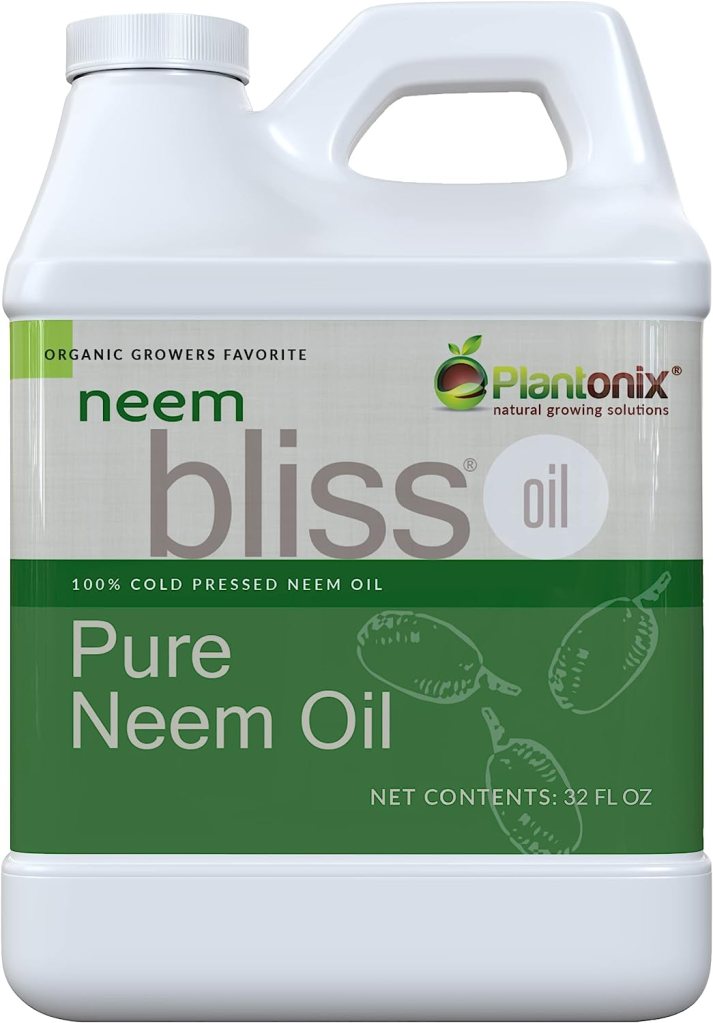
Cold-pressed neem oil is potent and requires dilution before application. Use a one-quart spray bottle for minor tasks or a one-gallon pump sprayer for extensive ones. Always adhere to the product label’s mixing guidelines. Combine with water and a dash of horticultural soap or plant-friendly liquid soap, like castile liquid soap, as an emulsifier to enhance blending.
First, blend the water and soap. Use a teaspoon of soap for a gallon of water or ¼ teaspoon for a quart bottle. Next, introduce the neem oil: one to two tablespoons for every gallon or one to two teaspoons per quart.
It’s crucial to follow the recommended concentrations and to apply during cooler times of the day (early morning or late evening) to prevent potential phytotoxicity (plant damage).
RELATED: Tackling Weeds in Your Lawn: Effective Strategies for Summertime Weed Control
Conclusion:
Neem oil’s rich history and multifaceted benefits make it a remarkable tool for gardeners and farmers alike. As the world leans towards sustainable and organic farming practices, neem oil stands out as a natural solution to many of the challenges faced in plant care and protection.
NOTE: While neem oil is a natural remedy for many plant pests and diseases, it can potentially cause leaf burn if applied during intense sunlight or heat. Always conduct a patch test on a small portion of the plant before full application to ensure there are no adverse reactions.
 GOODIE LIVING