
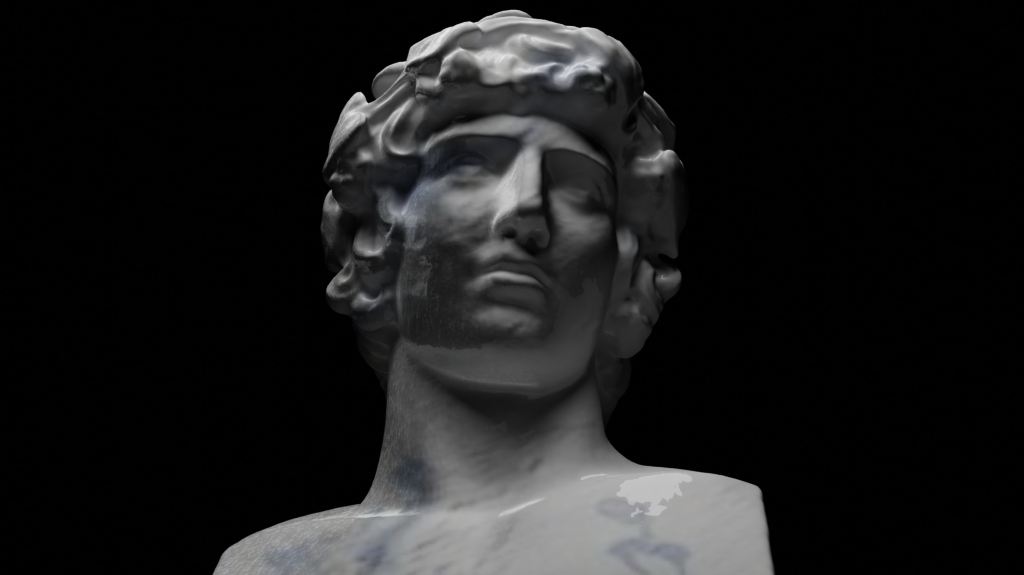
Dionysus, often recognized as the god of wine, revelry, and theater in ancient Greek mythology, had a life filled with intrigue and divine drama. Born to Zeus, the king of the gods, and Semele, a mortal princess, his birth was tainted by Hera’s jealousy, which led to Semele’s death. However, Dionysus was miraculously saved by Zeus, who sewed the unborn deity into his thigh until he was ready for birth. As he grew, Dionysus became synonymous with wine and its transformative powers, ranging from joyous intoxication to chaotic frenzy. He was often depicted with symbols like the grapevine and thyrsus, and his retinue included wild creatures and ecstatic followers known as maenads and satyrs. His festivals, filled with dance, song, and theatrical competitions, not only celebrated his divine essence but also laid the foundations for Greek theater.
Dionysus is a prominent deity in ancient Greek mythology, often referred to as the god of wine, festivity, theater, and ecstasy. Here are some key aspects about him:
Background
- Birth and Parentage: Dionysus is the son of Zeus, the king of the gods, and Semele, a mortal princess. His birth is unique; after Hera, the jealous wife of Zeus, tricked Semele into asking Zeus to reveal his true form, the resulting divine radiance consumed Semele. However, Zeus saved the unborn Dionysus by sewing him into his thigh until it was time for his birth.
- Dual Nature: Dionysus is often depicted as representing both the civilized and the wild. While he brought the joys of wine and festivity, he also embodied the chaos and madness that could come from overindulgence.
- Symbols: Common symbols associated with Dionysus include the grapevine, the thyrsus (a staff topped with a pine cone), and various wild animals like the panther and lion.
- Maenads and Satyrs: Dionysus was often accompanied by maenads (wild, ecstatic female followers) and satyrs (half-man, half-goat beings), both of which played significant roles in the myths and legends surrounding him.
- Cult and Worship: The worship of Dionysus often involved frenzied dances, music, and the consumption of wine. The rites of Dionysus could be ecstatic and wild, allowing worshippers to break free from societal norms.
- Bacchus: In Roman mythology, Dionysus was identified with Bacchus, and many of the myths and attributes associated with Dionysus were integrated into the Roman Bacchic worship.
- Theater: Dionysus had a significant connection with the theater. In Athens, dramatic competitions were held as part of the festivals celebrating him, laying the foundation for Greek tragedy and comedy.
His enduring legacy as a deity who blurs the lines between joy and sorrow, civilization and nature, life and death, makes Dionysus one of the most fascinating gods in Greek mythology.
This association [to wine] made him a god of not just intoxication but also the cycles of life and death, as the vine must be pruned back strongly to bear fruit
Birth and Early Years: c. 5th Century BC Records:
Divine Heritage Dionysus, often known as Bacchus in Roman mythology, was the son of Zeus, the king of the gods, and Semele, a mortal princess of Thebes. This dual lineage – both divine and mortal – positioned him uniquely among the Greek gods.
Troubled Infancy His birth was marred by intrigue. Hera, Zeus’ wife, jealously plotted against Semele, leading to her untimely demise. Dionysus, still unborn, was saved by Zeus who sewed him into his thigh until he was ready to be born.
Symbols and Offerings: Representations in Ancient Art
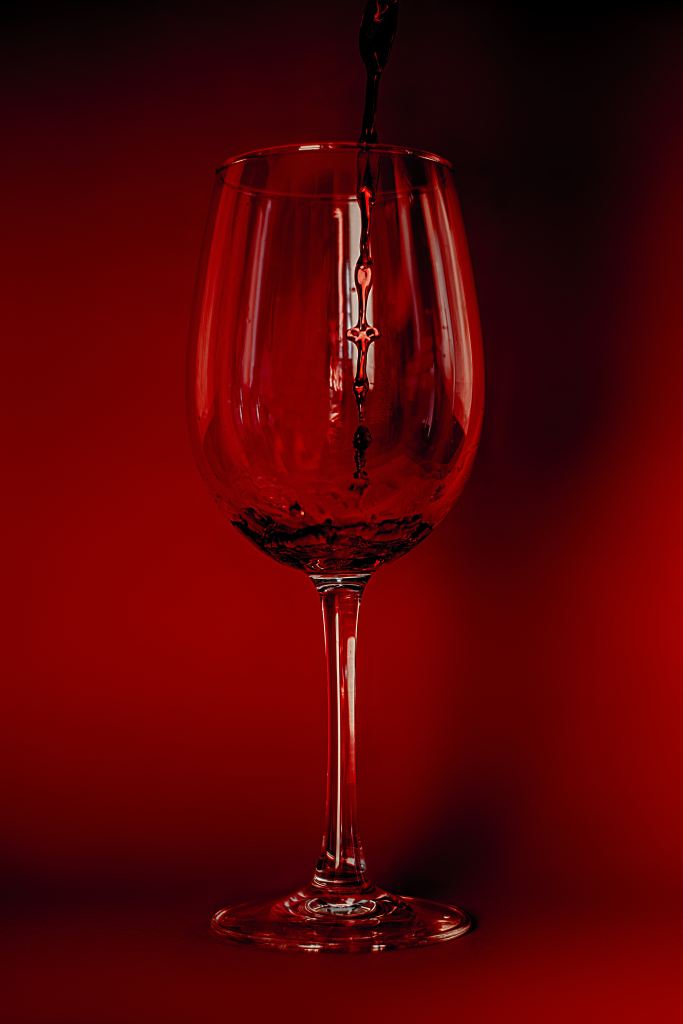
Grapevine and Wine Wine, and by extension the grapevine, is the most well-known symbol of Dionysus. This association made him a god of not just intoxication but also the cycles of life and death, as the vine must be pruned back strongly to bear fruit.
Thyrsus Often depicted holding a thyrsus – a rod topped with a pinecone – it symbolized fertility and prosperity. It was also a nod to his dominion over the primal forces of nature.
Wild Animals He was frequently accompanied by a retinue of wild creatures, particularly lions, panthers, and goats. These animals not only represented the uninhibited spirit of nature but also the untamed essence of humanity.
Celebrations and Cults: From Delight to Delirium
Bacchanalia: Periodic Festivals Originally a secret ritual for initiates, the Bacchanalia were wild, wine-fueled celebrations dedicated to Dionysus. Participants, known as maenads and satyrs, would dance, sing, and often enter states of ecstatic frenzy.
Theater: c. 5th Century BC Athens Dionysus had a profound impact on Greek theater. In Athens, the Dionysia was a significant festival where dramatic competitions took place in his honor. It laid the foundation for tragedies and comedies, giving birth to playwrights like Sophocles and Aristophanes.
Legacy and Influence: Beyond Ancient Greece
Roman Adaptation: Bacchus and the Bacchanalia As with many Greek gods, Dionysus was adopted into the Roman pantheon. Known as Bacchus, his festivals, too, transitioned but with increased scrutiny. The Roman Senate, fearing the Bacchanalia’s chaotic nature, heavily regulated these festivities in 186 BC.
Modern Interpretations Today, Dionysus is not just a historical deity but a symbol. He embodies the human need for celebration, the oscillation between structure and chaos, and the transformative power of art and theater.
Conclusion: The Eternal Allure of Dionysus
Dionysus’ enduring charm lies in his multifaceted nature. Beyond his celestial lineage, he embodies a bridge between the divine and mortal realms due to his unique birth from Zeus and a mortal mother. He is not just the god of wine but also represents the dualities of human existence – joy and sorrow, life and death, restraint and excess. This duality, a reflection of humanity’s own complexities, makes him one of the most relatable figures in mythology. Thousands of years later, in every toast raised and curtain drawn on a stage, echoes of Dionysus’ legacy live on.
 GOODIE LIVING