
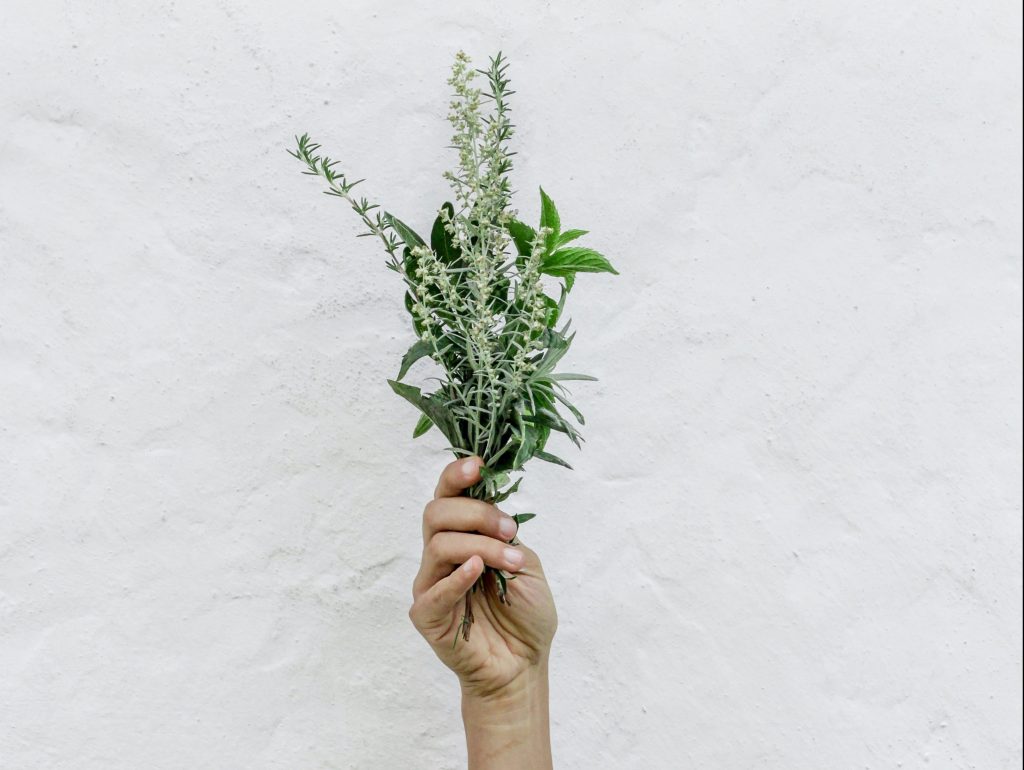
A central concept in Ayurveda is that of “Rasayana.” In the age-old wisdom of Ayurveda, the revered Indian system of medicine, Rasayana encompasses therapies and practices dedicated to the rejuvenation of the body, mind, and spirit. Deriving its name from the Sanskrit words “Rasa,” meaning essence, and “Ayana,” signifying path, the term “Rasayana” can be understood as the “path of essence” or “path of rejuvenation.” This concept not only pertains to certain healing practices but also to specific nourishing foods and herbs. These Rasayana foods, such as ghee, amla, and ashwagandha, are believed to promote longevity, enhance cognitive functions, and bolster immunity. Consuming them regularly as part of a balanced diet can help in restoring and maintaining vitality, ensuring holistic well-being in alignment with nature’s rhythms.
Rasayanas are believed to promote longevity, slow the aging process, boost immunity, improve the functioning of various body systems, enhance mental clarity, and improve overall vitality.
- Two Main Types of Rasayanas:
- Ghee: Clarified Butter
- Amla: Indian Gooseberry
- Tulsi: Holy Basil
- Ashwagandha: The Root of Strength
- Turmeric: Anti-inflammatory Spice
- Brahmi: The Brain Booster
- Shatavari: Nature’s Gift for Women
- Conclusion: Embracing the Path of Essence
Two Main Types of Rasayanas:
- Dravya Rasayana: This refers to rejuvenative substances or materials. These could be single herbs, fruits, minerals, or complex herbal formulations. Examples include ghee, amla (Indian gooseberry), ashwagandha, and shatavari. They can be consumed as part of a daily regimen or used therapeutically for specific conditions.
- Achara Rasayana: This refers to conduct or behaviors that promote health and rejuvenation. Living according to ethical principles, maintaining a regular routine, practicing meditation, and engaging in self-study are examples of Achara Rasayana.
The practice of Rasayana therapy aims to enhance the quality and longevity of life. It’s not just about taking herbs or supplements; it’s a comprehensive approach that often involves diet, lifestyle changes, and spiritual practices to bring about holistic well-being.
Ghee: Clarified Butter
First on our list, and arguably the most popular, is Ghee. This clarified butter is believed to promote digestion, maintain the balance of bile, and nurture the mind and brain. Additionally, when combined with other herbs, its rejuvenating properties are enhanced, making it a staple in many Ayurvedic treatments. Ghee has a high smoke point and can be used to replace oil or butter in recipes.

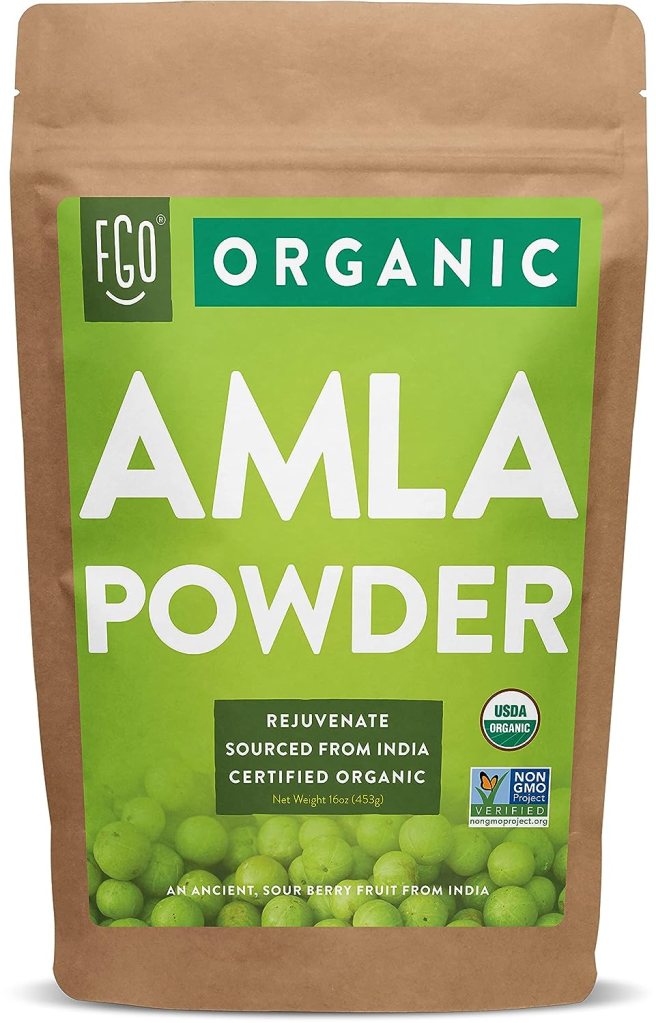
Amla: Indian Gooseberry
Often known as Indian gooseberry, Amla is a potent natural source of Vitamin C. Beyond its rejuvenating qualities, it’s known to promote healthier skin, support liver function, and improve blood circulation. Moreover, its antioxidant-rich composition is believed to strengthen the immune system and enhance overall vitality. Amla powder can be effortlessly blended into fruit smoothies, providing a nutritious boost with its rejuvenating Ayurvedic properties.
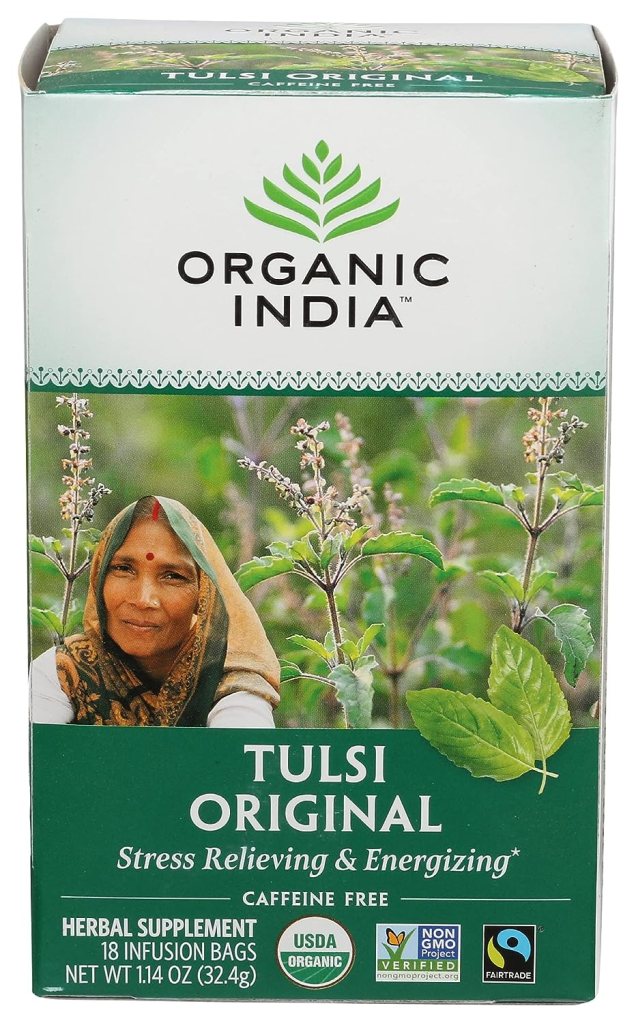
Tulsi: Holy Basil
Venturing further, we encounter Tulsi, commonly referred to as the Holy Basil. While it holds significant religious value in Indian traditions, its health benefits are equally revered. Regular consumption can aid in maintaining respiratory health, reduce stress, and offer anti-aging benefits. Tulsi, revered for its therapeutic properties, makes an excellent and soothing tea that promotes overall well-being.
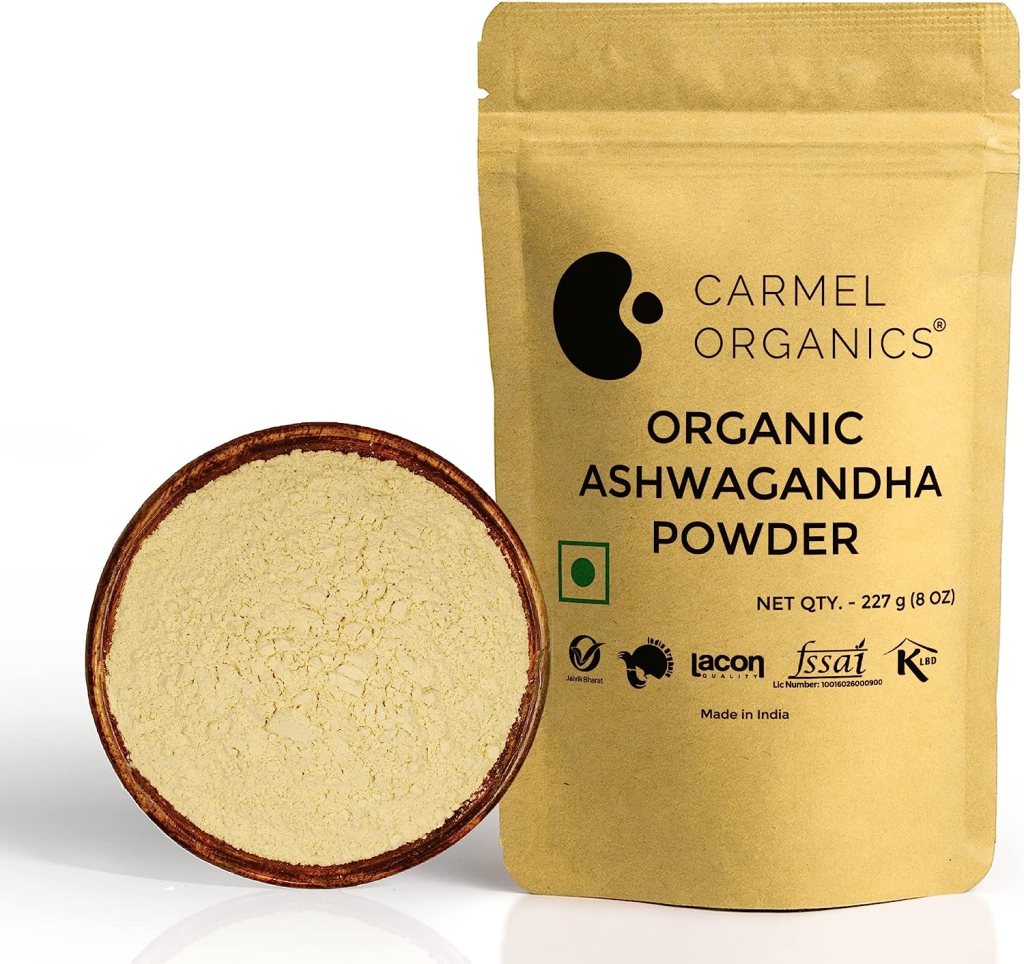
Ashwagandha: The Root of Strength
Ashwagandha (Withania somnifera) is a plant, and its roots and berries are primarily used to make medicines. The herb belongs to the Solanaceae or nightshade family. Recognized for its stress-reducing properties, this powerful herb is often considered a cornerstone in Ayurvedic treatments. Its adaptogenic qualities help the body adapt to stress, combat fatigue, and improve energy levels. *It is not related to fungi or mushrooms. The powder below can be mixed with coffee or warm milk.
Turmeric: Anti-inflammatory Spice
Turmeric isn’t just a spice to add color and flavor to dishes. It’s a powerful Rasayana, lauded for its anti-inflammatory and antioxidant properties. Regular consumption can lead to improved brain function, reduced risk of heart diseases, and even benefits against depression. You can make golden milk by simmering turmeric with milk and adding a pinch of black pepper for enhanced absorption.

Brahmi: The Brain Booster
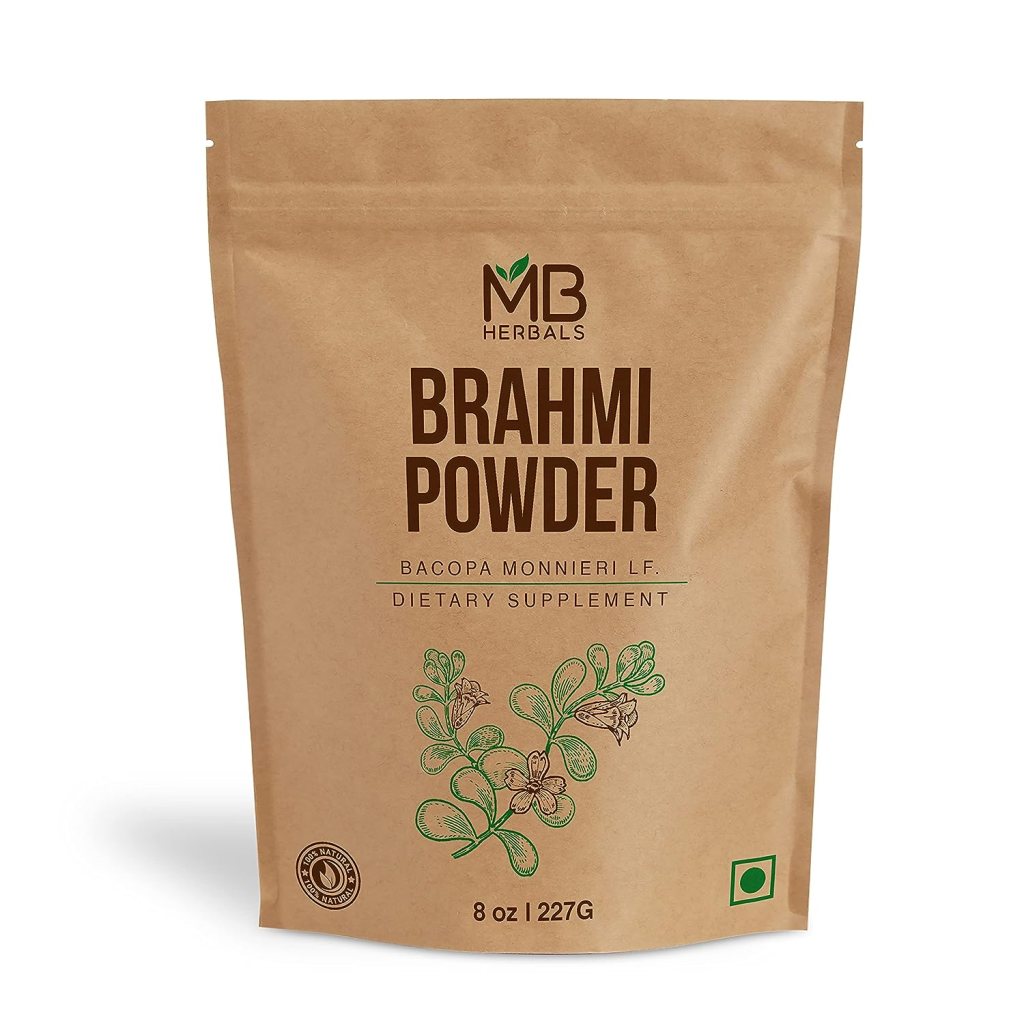
Diving deeper, Brahmi emerges as another potent Rasayana. Often consumed to boost brain function, it’s known to improve cognition, reduce anxiety, and offer a calming effect to the mind. Its unique composition aids memory, enhances concentration, and provides neuroprotective effects. Brahmi can be consumed with a spoonful of ghee before bedtime to promote better sleep and relaxation.
Shatavari: Nature’s Gift for Women
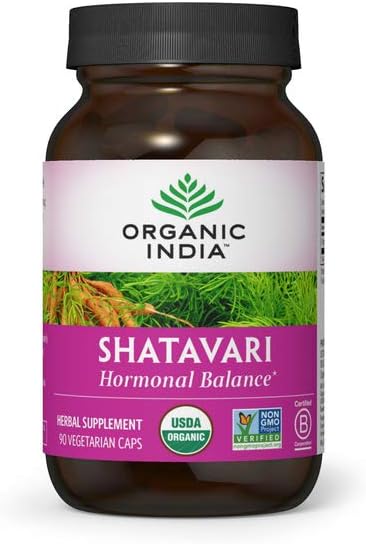
Shatavari is a revered Ayurvedic herb known for its rejuvenating properties, especially for women’s health. Shatavari, which translates to “having 100 roots” and also “that which saves,”. It nourishes the female reproductive system, aids in hormonal balance, and has been used for centuries to support various stages of a woman’s lifecycle.
RELATED ARTICLE: Ayurvedic Diet: Mindful Eating, Vitality, and Balance
Conclusion: Embracing the Path of Essence
Incorporating Rasayanas into one’s diet is more than just consuming health-boosting foods. It’s a commitment to nourishing the body, mind, and spirit. These rejuvenating substances, deeply embedded in Ayurvedic traditions, remind us of the ancient wisdom that celebrates the essence of life and vitality. By embracing these Rasayanas, we take a step closer to holistic well-being and longevity.
 GOODIE LIVING