
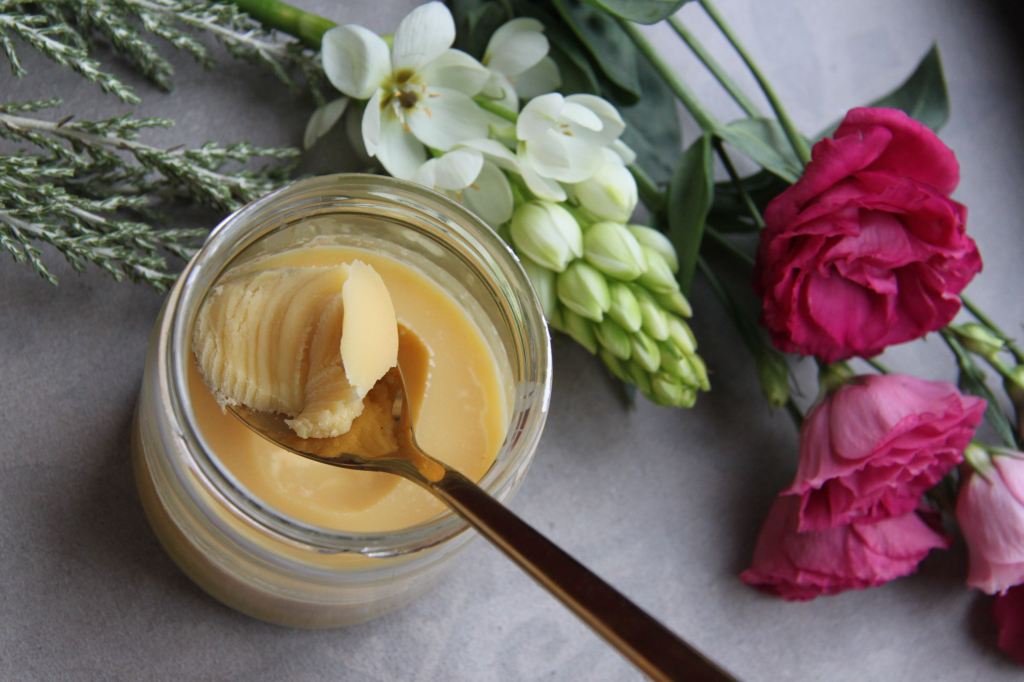
Ghee, often described as the “golden elixir” of Indian culinary traditions, is a type of clarified butter. It’s not just a cooking ingredient but has been celebrated for its myriad health benefits for centuries, especially in Ayurveda. This article delves into the world of ghee, exploring its origins, how it’s made, and the potential benefits it brings to the table.
- Origins of Ghee
- Making of Ghee: A Process of Purity
- Nutritional Profile
- The Health Benefits of Ghee
- Ghee in Ayurveda
- Conclusion: The Liquid Gold in Your Kitchen
Origins of Ghee
Ghee has been a staple in Indian cooking for millennia. Its origins trace back to the ancient Vedic civilization, where it was revered not just as a food source but also for its medicinal and spiritual significance. The Vedic period, also known as the Vedic age, refers to a significant era in the history of the Indian subcontinent, during which the Vedas, the oldest sacred texts of Hinduism, were composed. This period extended roughly from 1500 BCE to 500 BCE.
Making of Ghee: A Process of Purity
The process to make clarified butter is relatively simple but requires careful attention:
- Butter (usually from cow’s milk) is heated in a pot.
- As the butter melts, it begins to separate into different components.
- The water content evaporates, milk solids settle at the bottom, and what remains is a clear, golden liquid – the ghee.
- This liquid is then strained to remove any remaining milk solids, resulting in pure ghee.
Nutritional Profile
Ghee is rich in:
- Fats, primarily saturated fats.
- Vitamins A, E, and K.
- Conjugated linoleic acid (CLA) and Butyrate, both of which have been linked to numerous health benefits.
RELATED ARTICLE: Ayurvedic Diet: Mindful Eating, Vitality, and Balance
The Health Benefits of Ghee
- Digestive Health:
- Clarified butter contains butyrate, a short-chain fatty acid that plays a key role in gut health. Butyrate can help reduce inflammation and improve the overall health of the digestive tract.
- Rich in Vitamins:
- Ghee is an excellent source of fat-soluble vitamins A, E, and K, essential for vision, skin health, and blood clotting, respectively.
- Lactose-Friendly:
- Since the milk solids are removed, ghee has minimal lactose, making it a better option for those who are lactose intolerant.
- Promotes Heart Health:
- Clarified butter contains omega-3 fatty acids which can be beneficial for heart health when consumed in moderation.
- Anti-Inflammatory Properties:
- Clarified butter possesses anti-inflammatory properties which can help reduce inflammation in the body.
- High Smoke Point:
- Clarified butter has a high smoke point (about 485°F or 250°C), meaning it doesn’t break down into free radicals like many other oils when cooked at high temperatures.
Ghee in Ayurveda
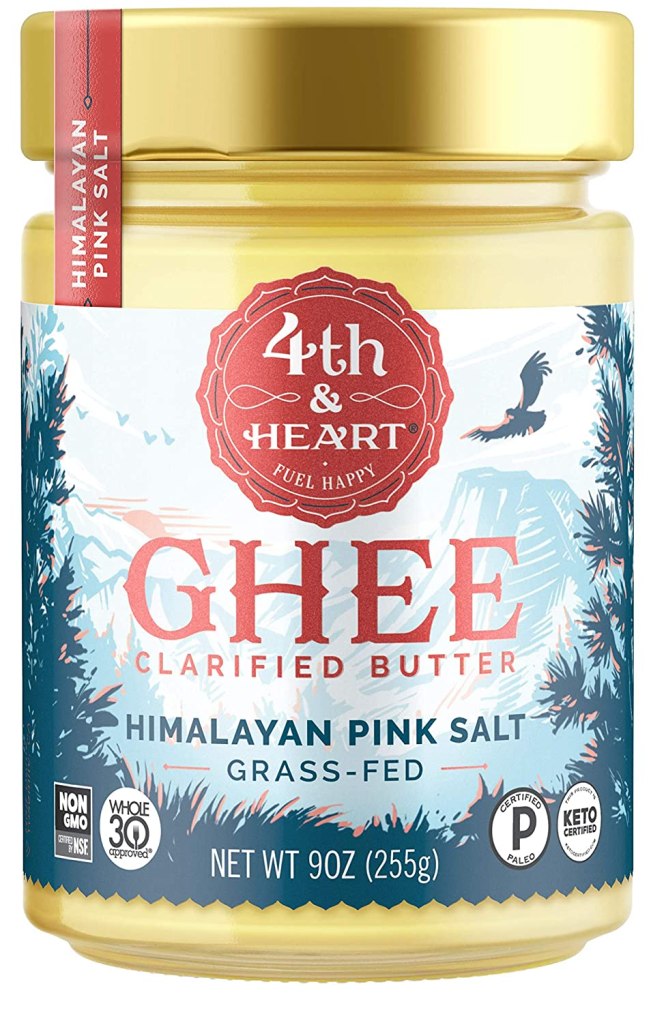
In Ayurveda, this clarified butter is often considered a Rasayana, which translates to a rejuvenating substance. It is believed to:
- Promote longevity.
- Improve mental clarity and focus.
- Enhance digestion.
- Boost immunity.
RELATED ARTICLE: From Ghee to Ashwagandha: Ayurveda’s Rasayana for Rejuvenation
Conclusion: The Liquid Gold in Your Kitchen
While ghee has been cherished in traditional systems of medicine like Ayurveda, it’s gaining international attention as a superfood. Its rich flavor, combined with its impressive health benefits, makes it a valuable addition to many diets. However, like all fats, it’s essential to consume Clarified butter in moderation and as part of a balanced diet.
 GOODIE LIVING