

Ayurveda, the ancient holistic healing system, recognizes three doshas – Vata, Pitta, and Kapha – as the primary forces that govern the body and mind. Each dosha represents a unique combination of the five elements (earth, water, fire, air, and space) and plays a distinct role in maintaining balance and overall well-being. Understanding the characteristics and imbalances of Vata, Pitta, and Kapha is vital for tailoring personalized health practices in Ayurveda.
RELATED ARTICLE: Ayurveda: The Ancient Science of Holistic Healing
The role of a dosha can be summarized as follows:
Vata Dosha:


Vata is one of the three doshas in Ayurveda, composed of air and space elements. It governs movement, creativity, and bodily functions, but an imbalance can lead to anxiety and digestive issues.
- Elements: Air and space.
- Characteristics: Vata is responsible for movement, creativity, and enthusiasm. It governs bodily functions like breathing, circulation, and nerve impulses.
- Imbalance: Excess Vata can lead to anxiety, restlessness, digestive issues, and sleep disturbances.
Pitta Dosha:


Pitta is one of the three doshas in Ayurveda, representing the elements of fire and water. It governs metabolism, digestion, and transformation and is associated with qualities like ambition and courage.
- Elements: Fire and water.
- Characteristics: Pitta controls metabolism, digestion, and transformation. It is associated with intelligence, ambition, and courage.
- Imbalance: Excess Pitta can manifest as irritability, inflammation, acidity, and skin problems.
Kapha Dosha:
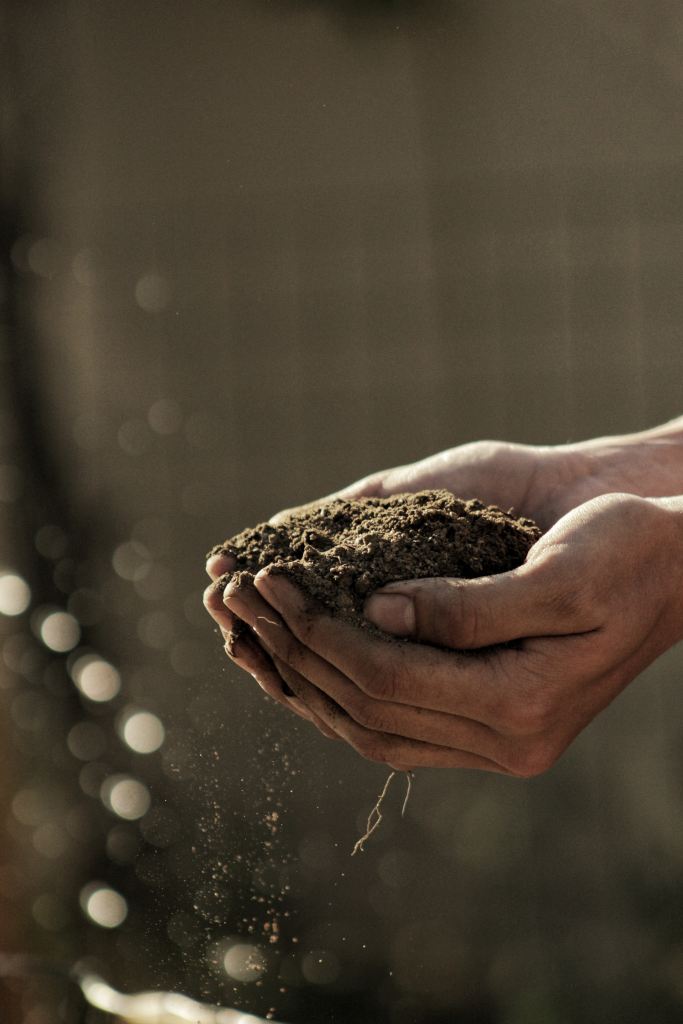
Kapha is one of the three doshas in Ayurveda, representing the combination of earth and water elements. It governs stability, strength, immunity, and emotional calmness. When balanced, it promotes vitality, but excess Kapha can lead to lethargy and congestion.
- Elements: Earth and water.
- Characteristics: Kapha provides structure, stability, and lubrication. It supports immunity, strength, and emotional calmness.
- Imbalance: Excess Kapha may lead to lethargy, weight gain, congestion, and emotional attachment.
RELATED ARTICLE: The Ancient Practice of Dry Brushing: Benefits and Cultural Traditions
Dosha Combinations:
Each person is believed to have all three doshas—Vata, Pitta, and Kapha—present in their constitution. However, the proportion of each dosha varies from person to person, resulting in different dosha combinations and dominant doshas for individuals. There are seven possible combinations of doshas, depending on their dominance:
- Tridoshic (Vata-Pitta-Kapha): In a rare scenario, a person may have a nearly equal balance of all three doshas. Such individuals are known as tridoshic, and their constitution is considered to be well-balanced.
- Bipartite Dominance: Some people may have a dominant combination of two doshas, with one dosha being less prominent.
- Vata-Pitta: When Vata and Pitta are dominant, the individual may exhibit characteristics of both doshas.
- Pitta-Kapha: When Pitta and Kapha are dominant, the person may have qualities of both doshas.
- Vata-Kapha: When Vata and Kapha are dominant, the individual may display traits of both doshas.
- Single Dosha Dominance: Others may have a dominant single dosha with the remaining two doshas being less prominent.
- Vata Dominance: When Vata is the most dominant, the individual may have a Vata constitution.
- Pitta Dominance: When Pitta is the most dominant, the individual may have a Pitta constitution.
- Kapha Dominance: When Kapha is the most dominant, the individual may have a Kapha constitution.
Ayurveda recognizes that each dosha plays a vital role in maintaining specific physiological and psychological functions in the body. A person’s unique dosha constitution (Prakriti) is believed to influence their physical characteristics, mental tendencies, and susceptibility to certain imbalances or health conditions. Understanding one’s Prakriti is crucial in Ayurveda to design personalized health regimens, including dietary choices, lifestyle adjustments, and appropriate therapeutic interventions, to support overall well-being and prevent imbalances.
In a balanced state, the doshas work harmoniously to maintain health and vitality. However, various factors, such as diet, lifestyle, stress, and environmental influences, can disturb the doshic balance, leading to imbalances and potential health issues.
Understanding the role of each dosha is essential in Ayurveda to tailor personalized health practices, including diet, lifestyle, and treatments, to restore harmony and prevent or address imbalances. Ayurvedic practitioners assess an individual’s dosha constitution (Prakriti) and identify any current imbalances (Vikriti) to create a comprehensive plan for promoting well-being and maintaining optimal health.
 GOODIE LIVING