
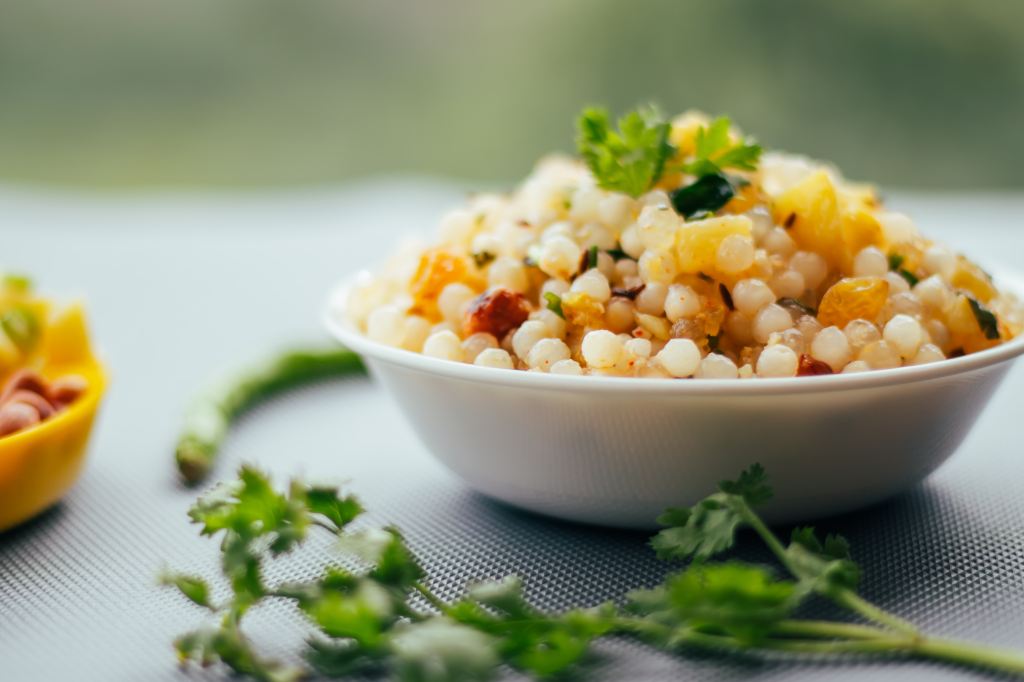
In Ayurveda, food is considered an essential aspect of maintaining balance and overall well-being. The choice of foods, preparation methods, and meal timings are influenced by an individual’s dosha constitution (Vata, Pitta, or Kapha) and the prevailing season. Here are some general guidelines for an Ayurvedic diet for breakfast, lunch, dinner, snacks, and drinks:
- Ayurvedic Food Principles:
- Doshas: Vata, Pitta, and Kapha
- Balancing Your Doshas through Ayurvedic Diet
- Breakfast:
- Lunch
- Dinner:
- Snacks:
- Drinks:
- Avoid These Mistakes: Ayurveda’s Eating Advice
RELATED ARTICLE: Ayurveda: The Ancient Science of Holistic Healing
Ayurvedic Food Principles:
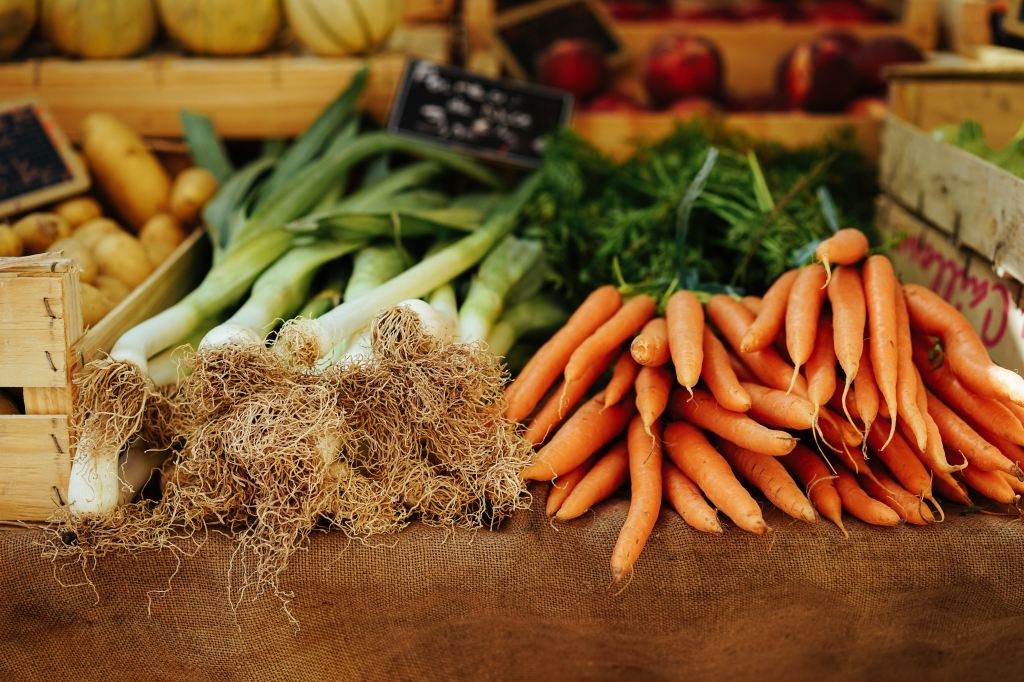
- Seasonal and Local: Ayurveda recommends consuming fresh, seasonal, and locally sourced foods as they align with the body’s needs and nature’s cycles.
- Balanced Doshas: An Ayurvedic diet aims to balance one’s doshas (Vata, Pitta, or Kapha) through appropriate food choices and mindful eating.
- Six Tastes: Ayurvedic foods encompass six tastes: sweet, sour, salty, bitter, pungent, and astringent. Including all tastes in meals helps maintain balance.
- Mindful Eating: Ayurveda encourages eating in a calm environment, savoring each bite, and avoiding overeating.
Doshas: Vata, Pitta, and Kapha
Vata, Pitta, and Kapha are the three doshas in Ayurveda, and they represent different physiological and psychological characteristics in the human body. Understanding one’s dominant dosha, as well as any imbalances, is crucial in Ayurveda as it helps guide lifestyle choices, including food selection, to maintain balance and promote overall well-being.

- Vata: Vata is associated with air and space. It governs movements in the body, including circulation, breathing, and nerve impulses. Vata individuals tend to be creative, energetic, and quick-thinking when balanced, but they may experience anxiety, digestive issues, and dryness when imbalanced. Foods that are warm, nourishing, and grounding help balance Vata. They should avoid cold, raw, and dry foods.
When Vata is imbalanced, you may experience symptoms such as:- Anxiety, fear, and restlessness
- Difficulty sleeping
- Dry skin and hair
- Constipation
- Difficulty focusing
- Feeling cold
- Weight loss
- Irregular menstrual cycles
- Pitta: Pitta is associated with the elements of fire and water. It governs digestion, metabolism, and body temperature regulation. Pitta individuals are often passionate, focused, and goal-oriented when balanced, but they may experience irritability, inflammation, and digestive problems when imbalanced. Foods that are cooling and soothing help balance Pitta. They should avoid spicy, oily, and acidic foods.
When Pitta is imbalanced, you may experience symptoms such as:- Skin rashes, acne, or inflammation
- Heartburn, acid reflux, or ulcers
- Overheating and excessive sweating
- Irritability, anger, or frustration
- Loose stool or diarrhea
- Premature graying or hair loss
- Kapha: Kapha is associated with the elements of earth and water. It governs stability, structure, and lubrication in the body. Kapha individuals are usually calm, nurturing, and strong when balanced, but they may experience lethargy, weight gain, and congestion when imbalanced. Foods that are light, warming, and stimulating help balance Kapha. They should avoid heavy, oily, and sweet foods.
When Kapha is imbalanced, you may experience symptoms such as:- Weight gain
- Feeling tired or lethargic
- Congestion or allergies
- Difficulty waking up in the morning
- Depression or lack of motivation
- Oily skin
- Slow digestion and feeling heavy after meals
If you’re experiencing symptoms that suggest a dosha imbalance, it’s best to consult with an Ayurvedic practitioner who can provide a detailed examination, assess your symptoms, and help you bring your doshas back into balance with diet, lifestyle changes, and perhaps herbal remedies.
Please remember that while Ayurveda can complement conventional medical treatment, it’s not a substitute for it. Always consult a healthcare professional before beginning any new treatment or therapy.
Balancing Your Doshas through Ayurvedic Diet
In Ayurveda, the concept of “like increases like, and opposites balance” is applied to dietary choices. This means that an individual with a dominant Vata dosha will benefit from foods that have qualities opposite to Vata, such as warmth and grounding. Similarly, a Pitta-dominant person will benefit from foods that are cooling and soothing to balance their fiery nature, while a Kapha-dominant individual will benefit from foods that are light and stimulating to counteract their tendency towards heaviness.
Ayurvedic Diet works best by selecting foods that align with one’s dosha and making appropriate dietary adjustments based on the seasons and personal imbalances, Ayurveda aims to support digestion, promote vitality, and maintain overall health and harmony in the body and mind.
Breakfast:
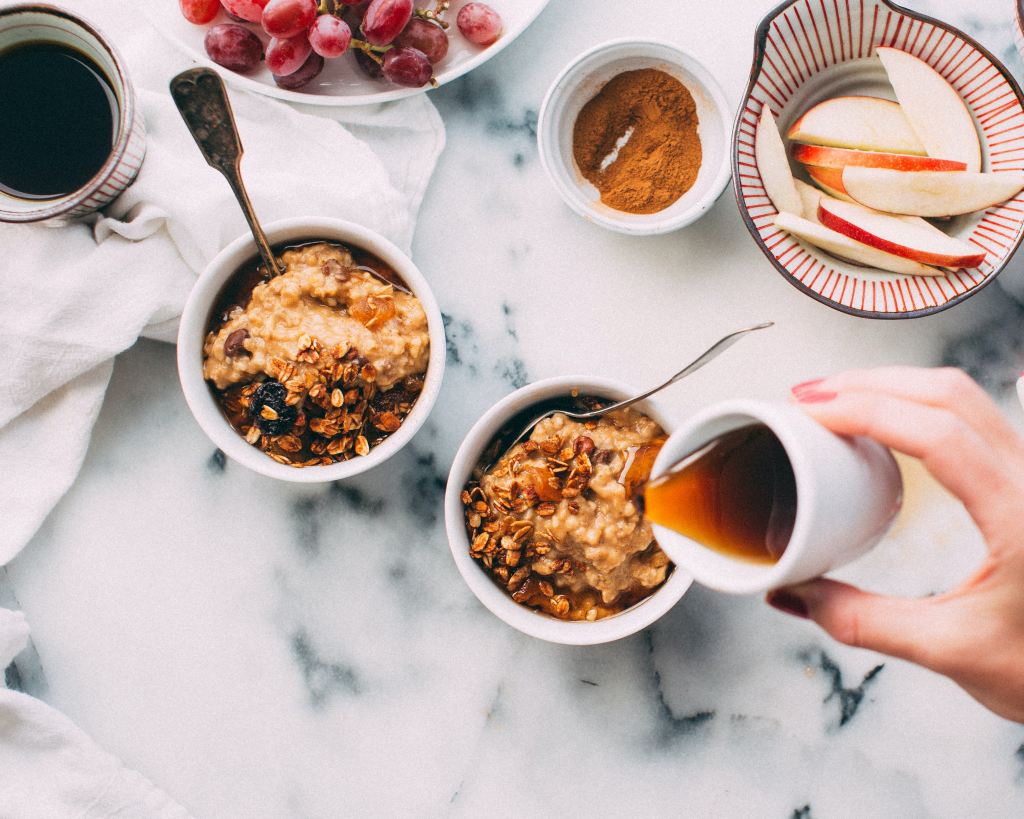
Warm, cooked breakfast is preferable to kickstart digestion and provide nourishment.
- Vata: Oatmeal with cooked fruits or warm quinoa porridge.
- Pitta: Rice pudding (kheer) with cardamom and saffron or coconut chia seed pudding.
- Kapha: Warm spiced millet or barley porridge with ginger and cinnamon.
Herbal Teas: Sip on herbal teas like ginger or tulsi tea, which aid digestion and provide warmth.
By incorporating the principles of Ayurvedic food into our daily eating habits, we can experience improved digestion, enhanced vitality, and a deeper connection to nature’s wisdom
Lunch
The main meal of the day, consumed when the digestive fire (agni) is strongest, around noon. A balanced meal with all six tastes (sweet, sour, salty, bitter, pungent, and astringent).
- Vata: Basmati rice with vegetables, dal (lentil soup), and warm spiced yogurt.
- Pitta: Quinoa or barley salad with cooling vegetables, tofu or tempeh, and a lime-cilantro dressing.
- Kapha: Lightly cooked or stir-fried vegetables with lentils and a sprinkle of warming spices.
Dinner:
Ayurveda recommends a light and early dinner to support digestion and allow the body to detoxify during sleep.
- Vata: Warm vegetable soup with whole-grain bread or chapati.
- Pitta: Steamed vegetables with couscous or quinoa and a cooling cucumber raita.
- Kapha: Mung bean soup with lightly cooked greens and a dash of digestive spices.
Herbal Decoctions: Consume herbal decoctions like cumin-coriander-fennel tea after dinner to aid digestion.
Snacks:
Snacks should be light and consumed in moderation between meals to avoid overeating.
- Vata: Nuts and Seeds: Roasted pumpkin seeds or almond-date energy balls.
- Pitta: Fresh fruit salad with cooling fruits like melons and berries.
- Kapha: Sliced apple or pear with a sprinkle of cinnamon.
Drinks:
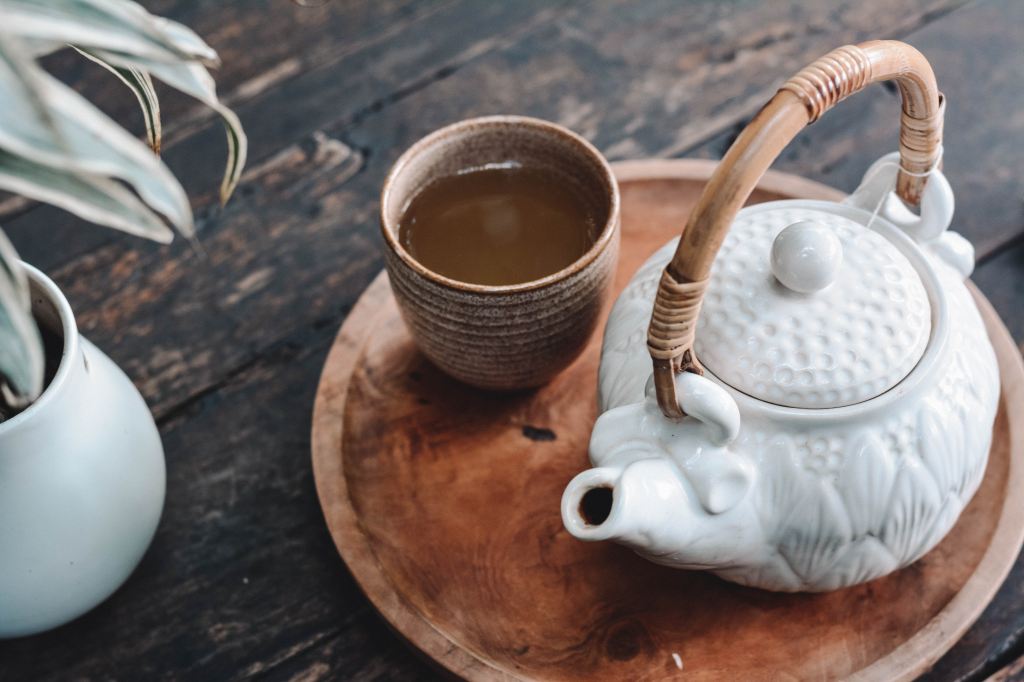
Hydration is crucial, and warm or room temperature drinks are preferred over cold ones. Herbal teas with ginger, tulsi, or fennel aid digestion and balance doshas
- Vata: Golden Milk: Warm spiced milk with nutmeg, turmeric latte, and other healing spices supports immunity and relaxation.
- Pitta: Fresh coconut water or aloe vera juice is a hydrating and cooling beverage, especially during warmer months.
- Kapha: Herbal Infusions: Warm water with lemon and honey or herbal infusions like ginger-cinnamon tea. Peppermint, chamomile, or hibiscus tea offer soothing benefits and hydration.
Avoid These Mistakes: Ayurveda’s Eating Advice
In Ayurveda, how you eat is just as important as what you eat. Here are some of the things Ayurveda advises against when it comes to food and eating:
- Avoid Overeating: Ayurveda recommends eating until you are about two-thirds full. Overeating can overload the digestive system and create an imbalance in the doshas.
- Avoid Under-eating: Conversely, not eating enough can also be harmful. It’s important to nourish your body with the right amount of wholesome foods to maintain balance and vitality.
- Don’t Eat Before the Previous Meal Is Digested: Ayurveda suggests waiting at least three hours between meals, or until the previous meal is fully digested before eating again. Eating too soon can hinder the digestion process.
- Avoid Incompatible Food Combinations: Certain combinations, such as milk and fish or fruit and dairy, are believed to create toxins in the body.
- Don’t Eat In A Rush: Eating should be a mindful process. Eating quickly or while distracted (like watching TV) can disrupt digestion and lead to overeating.
- Avoid Ice Cold Drinks During Meals: Very cold drinks can dampen the “digestive fire”, slowing down digestion. Room temperature or warm drinks are preferable.
- Avoid Highly Processed, Artificial Foods: These are considered “tamasic,” which means they can make you feel sluggish, dull, or lethargic.
- Don’t Suppress Natural Urges: If you need to burp, pass gas, yawn, sneeze, urinate, or have a bowel movement, don’t hold it in. These are all natural ways the body releases toxins and maintains balance.
- Avoid Eating Late at Night: Ideally, dinner should be eaten before sunset or at least a few hours before going to bed to ensure proper digestion.
- Avoid Eating When You’re Not Hungry or When You’re Upset: Emotional eating or eating out of boredom can lead to overeating and imbalances.
It’s essential to listen to your body and adapt Ayurvedic food choices according to your unique constitution and specific health needs. Additionally, considering seasonal produce and local ingredients can further enhance the benefits of Ayurvedic nutrition. Consulting with an Ayurvedic practitioner can provide personalized guidance on creating a balanced and nourishing diet that aligns with your dosha and promotes overall well-being.
An Ayurvedic diet emphasizes nourishing the body with wholesome, seasonal, and balanced meals that align with one’s dosha and promote overall well-being. By incorporating the principles of Ayurvedic food into our daily eating habits, we can experience improved digestion, enhanced vitality, and a deeper connection to nature’s wisdom. Remember to practice mindful eating, appreciate the six tastes, and make conscious choices to support a harmonious and healthful lifestyle through Ayurvedic nutrition.
 GOODIE LIVING