
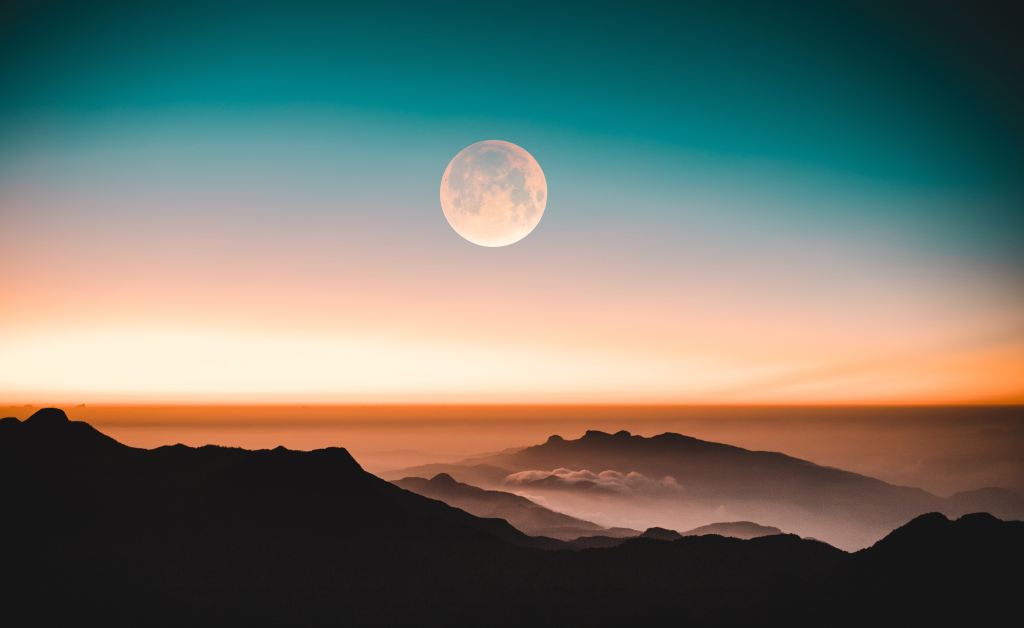
This August, skywatchers are in for a treat as two spectacular supermoons grace the night sky. Tuesday, August 1, a sturgeon supermoon will make its appearance, offering a dazzling display of an extra-large and bright moon. Later in the month, on August 30, a rare blue supermoon will enchant observers, a sight that won’t recur until 2032. These two events mark two of the four supermoons scheduled for 2023, making it a remarkable lunar double feature not to be missed.
The night sky has always been a source of wonder and fascination for humanity. Among the many celestial phenomena, two captivating events stand out: the supermoon and the blue moon. Both phenomena involve our closest celestial neighbor, the moon, and have captured the imagination of stargazers and sky enthusiasts worldwide. In this essay, we will delve into the enchanting world of supermoons and blue moons, exploring their origins, characteristics, cultural significance, and the awe they inspire in our collective consciousness.
The phrase “once in a blue moon” is often used colloquially to describe rare or infrequent events, reflecting the relative rarity of blue moons in the lunar calendar.
Supermoon
A supermoon refers to a full moon that appears larger and brighter in the sky than an average full moon. This phenomenon occurs when the moon is at its closest point to Earth in its orbit, known as the perigee. The moon’s elliptical orbit causes variations in its distance from Earth, and when it aligns with the perigee during a full moon, it creates a supermoon.
Characteristics of a Supermoon:
- Larger Apparent Size: The supermoon can appear up to 14% larger in diameter than an average full moon.
- Brighter Appearance: The moon’s increased proximity to Earth makes it appear approximately 30% brighter than usual full moons.
- Occurrence: Supermoons occur periodically and can happen several times a year.
Blue Moon:
A blue moon is a rare event where two full moons occur within the same calendar month. This phenomenon occurs because a lunar month (the time between successive full moons) is about 29.5 days long, slightly shorter than the average calendar month, which is typically 30 or 31 days. As a result, occasionally, two full moons can happen in one calendar month.
Characteristics of a Blue Moon:
- Infrequent Occurrence: Blue moons are relatively rare and typically happen once every 2 to 3 years.
- No Actual Blue Color: Despite the name, a blue moon does not refer to the moon’s color. The moon’s appearance during a blue moon is the same as any other full moon.
It is important to note that the terms “supermoon” and “blue moon” are not scientific designations but rather popular terms used to describe specific occurrences of full moons. These events add to the wonder and fascination of observing the night sky, offering opportunities for stargazers and sky enthusiasts to witness the moon’s captivating beauty in unique ways.
Supermoons and Blue Moons in Cultural Context
Throughout history, various cultures have attached spiritual, symbolic, and mythological meanings to the moon. Supermoons and blue moons have been interpreted differently across different civilizations. Many cultures have named the full moons based on natural events or seasonal occurrences. For instance, Native American tribes named full moons to mark changes in weather, animal behavior, or agricultural activities. Supermoons and blue moons have been associated with superstitions and beliefs, ranging from enhanced fertility and good luck to foretelling calamities or significant events.
Don’t miss the two spectacular supermoons this August. Supermoons and blue moons have a captivating presence in the night sky, reminding us of the beauty and mysteries of the cosmos. They offer moments of reflection and inspiration, emphasizing the connection between humanity and the vastness of space. Gazing upon these celestial marvels reminds us of our place in the universe and our interconnectedness on Earth.
 GOODIE LIVING