

While academic education plays a vital role in a child’s development, there are certain life skills for kids that are not always taught in schools but are equally crucial for their future success and well-being. These skills go beyond traditional subjects and empower children to navigate the complexities of life with confidence and resilience. Some of these skills include emotional intelligence, critical thinking, and financial literacy, which are instrumental for their personal and professional lives. Not only do these skills prepare children for real-world challenges, but they also enhance their interpersonal relationships and decision-making abilities. Through practical guidance and consistent reinforcement, parents and caregivers can equip children with these valuable tools for a successful future. In this article, we will explore these five essential life skills that kids need and provide insights on how parents and caregivers can foster their development.
- Emotional Intelligence:
- Critical Thinking:
- Financial Literacy:
- Time Management:
- Resilience and Adaptability:
- How to Nurture These Skills:
- Conclusion:
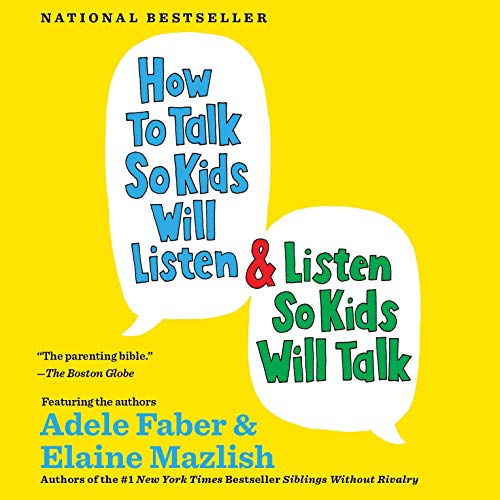
- Parenting Books:
Emotional Intelligence:
Emotional intelligence is an important life skill for kids that encompasses the ability to recognize, understand, and manage emotions in oneself and others. Teaching kids to identify and express their feelings, empathize with others, and handle conflicts constructively promotes healthy emotional development, self-awareness, and effective communication. Further, children equipped with emotional intelligence have the tools to navigate social interactions, understand different perspectives, and build strong relationships. They are more likely to demonstrate empathy, which fosters a supportive and respectful environment. In the long run, these skills contribute to mental well-being, personal growth, and success in various life domains, from academia to the workplace.
RELATED ARTICLE: Nuturing Emotional Intelligence in Kids
Critical Thinking:
Critical thinking equips children with the ability to analyze information, question assumptions, and make informed decisions. Encouraging curiosity, fostering independent thinking, and exposing children to diverse perspectives enable them to think critically, solve problems creatively, and adapt to new situations. Moreover, these skills help children to evaluate arguments objectively, making them less susceptible to manipulation and enhancing their negotiation capabilities. It encourages them to question the world around them, promoting lifelong learning and curiosity. Ultimately, nurturing critical thinking from a young age can lead to a greater sense of self-awareness, improved decision-making abilities, and the confidence to express their thoughts and ideas effectively.
Financial Literacy:
Understanding the value of money, budgeting, and financial responsibility are essential life skills. Teaching kids about saving, budgeting, and the importance of delayed gratification cultivates financial literacy and instills responsible financial habits that will serve them throughout their lives. Moreover, financial education aids in developing a healthy attitude towards money, encouraging children to differentiate between wants and needs. It also lays a strong foundation for them to make informed financial decisions in the future, preventing potential debt issues. Over time, these early lessons in financial literacy can lead to more significant financial independence and economic stability in adulthood.
Time Management:
Effective time management helps children prioritize tasks, meet deadlines, and balance their commitments. Teaching them skills like setting goals, creating schedules, and managing distractions fosters discipline, organization, and the ability to make the most of their time. Furthermore, learning to manage time effectively from an early age can reduce feelings of stress and anxiety often associated with overwhelming tasks. It encourages self-regulation and enhances their confidence in their abilities to accomplish tasks efficiently. Over time, these skills not only improve academic performance but also contribute significantly to personal development and success in later life.
Resilience and Adaptability:
Life is full of ups and downs, and equipping children with resilience and adaptability helps them navigate challenges and bounce back from setbacks. Encouraging a growth mindset, teaching problem-solving skills, and promoting a positive outlook in the face of adversity build resilience and foster adaptability. Moreover, these skills enable children to view obstacles not as roadblocks, but as opportunities for growth and learning. They also nurture emotional strength and a sense of optimism, which are pivotal in handling life’s uncertainties and changes. With resilience and adaptability, children are better prepared to face life’s difficulties, shaping them into confident, self-reliant, and well-adjusted adults.
RELATED ARTICLE: The Importance of Chores for Kids: Building Responsibility and Life Skills
How to Nurture These Skills:
Parents and caregivers play a crucial role in nurturing these life skills in children. These strategies not only provide practical steps but also encourage a supportive environment where children feel safe to learn and grow. Remember, the journey of developing these skills is a marathon, not a sprint, and consistent encouragement and patience can make a significant difference in a child’s learning process. Here are some strategies to help develop these skills:
- Lead by Example: Model the desired behaviors and skills in your own actions and attitudes.
- Encourage Open Communication: Create a safe and supportive environment where children feel comfortable expressing themselves and discussing their emotions, thoughts, and concerns.
- Provide Opportunities for Decision-Making: Allow children to make choices and experience the consequences, providing guidance and support along the way.
- Engage in Real-Life Scenarios: Incorporate practical situations in daily life where children can practice problem-solving, decision-making, and financial management skills.
- Celebrate Mistakes and Learning: Emphasize that mistakes are part of the learning process and encourage children to reflect, learn, and grow from them.
- Foster Independence: Encourage children to take on age-appropriate responsibilities, such as managing personal tasks or completing chores, to foster independence and accountability.
By intentionally focusing on developing these life skills, parents and caregivers empower children with the tools they need to navigate various aspects of life successfully. Remember that these skills are developed over time, so patience, consistency, and ongoing support are essential. Furthermore, these efforts can create a safe environment where children feel encouraged to explore, learn, and make mistakes. By setting the groundwork for these critical life skills, parents and caregivers are essentially investing in their child’s future – building self-confidence, enhancing their problem-solving abilities, and setting them up for success in their adult life.
Conclusion:
Equipping children with essential life skills is as crucial as imparting academic knowledge. Skills like emotional intelligence, critical thinking, financial literacy, time management, resilience, and adaptability, go beyond classroom learning but are instrumental in navigating life’s complexities. These skills foster empathy, logical reasoning, prudent financial decisions, productivity, stress management, and resilience against adversities. As parents and caregivers, creating an environment that encourages these life skills can help children thrive personally and professionally. Actively nurturing these skills provides children with a foundation for personal growth and well-being. Guiding children towards these life skills prepares them for future opportunities and challenges.
Learn More:
Parenting books on amazon




 GOODIE LIVING