
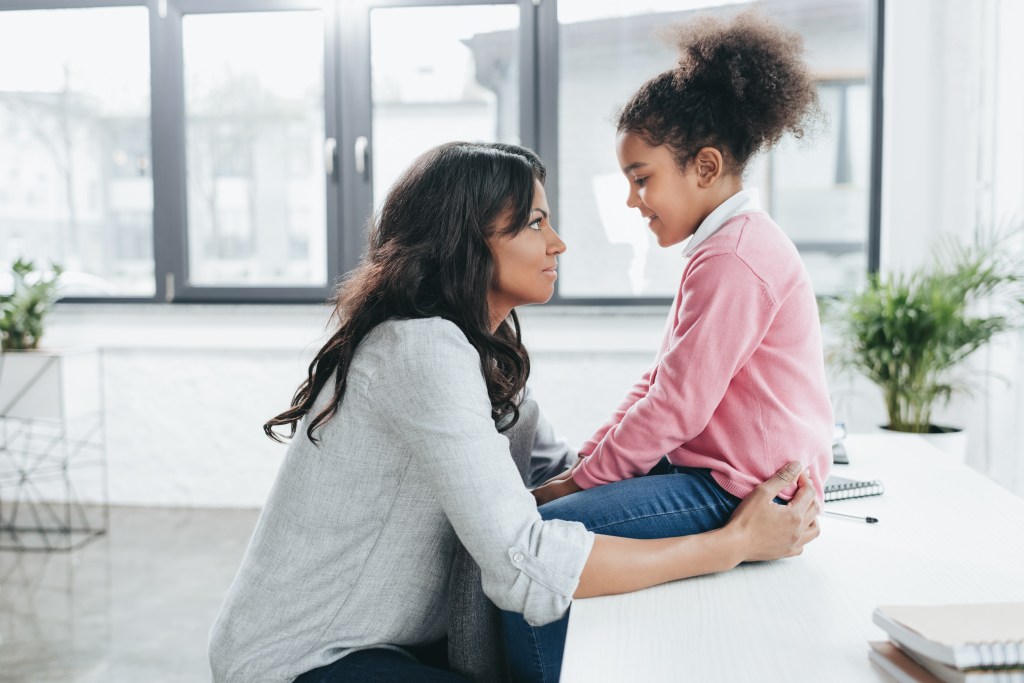
Effective communication is a cornerstone of healthy relationships and a crucial skill for children to develop. Active listening, in particular, plays a vital role in effective communication, fostering understanding, empathy, and strong connections with others. By teaching children how to be active listeners, we equip them with a powerful tool that enhances their communication skills and promotes positive interactions. In this article, we will explore strategies and techniques for teaching children the art of active listening.
- Understanding Active Listening:
- Benefits of Active Listening for Children:
- Strategies for Teaching Children Active Listening:
- Lead by Example:
- Teach Listening Skills:
- Practice Reflective Listening:
- Mindful Listening Activities:
- Engaged Listening Games:
- Use Visual Aids:
- Empathy Building:
- Provide Constructive Feedback:
- Encourage Turn-Taking:
- Real-Life Application:
- Conclusion:
- Parenting Books on Amazon
Understanding Active Listening:
Active listening involves fully focusing on and comprehending the speaker’s message, both verbally and non-verbally. It requires attentiveness, empathy, and a genuine desire to understand the other person’s perspective. Active listeners engage with the speaker, validate their emotions, and respond thoughtfully, fostering effective communication and building trust.
RELATED: Essential Life Skills for Kids: Beyond the Classroom Curriculum
Benefits of Active Listening for Children:
- Improved Communication Skills: Active listening enhances children’s ability to express themselves effectively and understand others’ viewpoints, leading to clearer and more meaningful communication.
- Strengthened Relationships: Attentive listening promotes trust, empathy, and mutual respect, fostering stronger and healthier relationships with family, friends, and peers.
- Enhanced Empathy and Understanding: By actively listening to others, children develop empathy and gain a deeper understanding of different perspectives and experiences.
- Conflict Resolution: Active listening is a vital component of resolving conflicts peacefully and constructively. Children who actively listen are better equipped to manage conflicts, express their own needs, and find mutually beneficial solutions.
Strategies for Teaching Children Active Listening:
Lead by Example:
Model active listening behaviors by demonstrating focused attention, maintaining eye contact, and responding with interest and empathy when your child speaks. Be fully present in conversations and avoid interrupting or multitasking.
Teach Listening Skills:
Explain the importance of active listening to your child, emphasizing the value of understanding others’ thoughts and feelings. Teach them to give their undivided attention, maintain good body language, and ask questions to show interest.
Practice Reflective Listening:
Guide your child in reflecting back what they hear to ensure comprehension and validate the speaker’s message. Encourage them to paraphrase or summarize what the speaker has said to demonstrate understanding.
Mindful Listening Activities:
Engage children in mindfulness exercises that promote attentive listening. For example, play a game where they have to repeat a series of instructions or ask them to identify different sounds in their environment.
Engaged Listening Games:
Make learning fun by playing games that enhance listening skills. Simon Says, Storytelling Relay, or Guess the Sound are interactive activities that encourage focused listening and understanding.
Use Visual Aids:
Visual aids, such as pictures, drawings, or cue cards, can assist children in understanding and remembering what they hear. These aids help reinforce active listening skills and provide additional support.
Empathy Building:
Teach children to put themselves in others’ shoes by discussing different perspectives and emotions. Encourage them to imagine how someone else might feel in a given situation, fostering empathy and mindful listening.
Provide Constructive Feedback:
Offer feedback to your child on their listening skills, highlighting their successes and areas for improvement. Reinforce positive behaviors, such as maintaining eye contact, asking relevant questions, and responding empathetically.
Encourage Turn-Taking:
Emphasize the importance of taking turns in conversations, allowing each person to express their thoughts and feelings without interruptions. Teach your child to be patient and attentive while waiting for their turn to speak.
Real-Life Application:
Encourage your child to practice mindful listening in real-life scenarios. This can include conversations with family members, friends, teachers, or community members. Prompt them to reflect on their experiences and discuss any challenges or successes they encounter.
Conclusion:
Teaching children the art of active listening equips them with a powerful skill that enhances their communication, empathy, and relationships. By modeling attentive listening, teaching listening techniques, and engaging in interactive activities, we can nurture this essential skill in children. Mindful listening fosters effective communication, empathy, and understanding, allowing children to connect with others, resolve conflicts, and express themselves more confidently. Embrace the opportunity to teach active listening and watch your child’s communication abilities flourish, fostering stronger and more meaningful connections in their personal and professional lives.
Learn More:
Parenting books on amazon



 GOODIE LIVING