

Maintaining a lush, green lawn during the summer months can be challenging, especially when weeds start to take hold. Weeds not only detract from the beauty of your lawn but also compete with desirable grass for essential nutrients and water. To keep your lawn healthy and weed-free, it’s crucial to implement effective weed control strategies tailored to the unique challenges of the summer season. In this article, we will explore various methods and techniques to help you get rid of weeds and restore the vitality of your lawn.
Identify and Understand Common Lawn Weeds:
Before diving into weed control, it’s essential to identify the types of weeds present in your lawn. Common summer weeds include crabgrass, dandelions, clover, and plantain. Understanding their growth habits and lifecycles will enable you to select the most appropriate control methods.
RELATED: Best Gardening Tools for Your Lawn and Garden
Maintain Healthy Lawn Care Practices:
A healthy, well-maintained lawn is more resilient against weed infestations. Regular mowing, appropriate watering, and proper fertilization help promote dense grass growth, which in turn minimizes opportunities for weed establishment. Set your lawnmower at the correct height to avoid stressing the grass and allowing sunlight to reach weed seeds.
Hand-Pulling and Spot Treatment:
For small weed patches, hand-pulling is an effective and chemical-free method. Ensure that you remove the entire weed, including the root system. Alternatively, spot treatment with a selective herbicide can be used to target specific weeds while minimizing damage to surrounding grass.
Pre-emergent Herbicides:
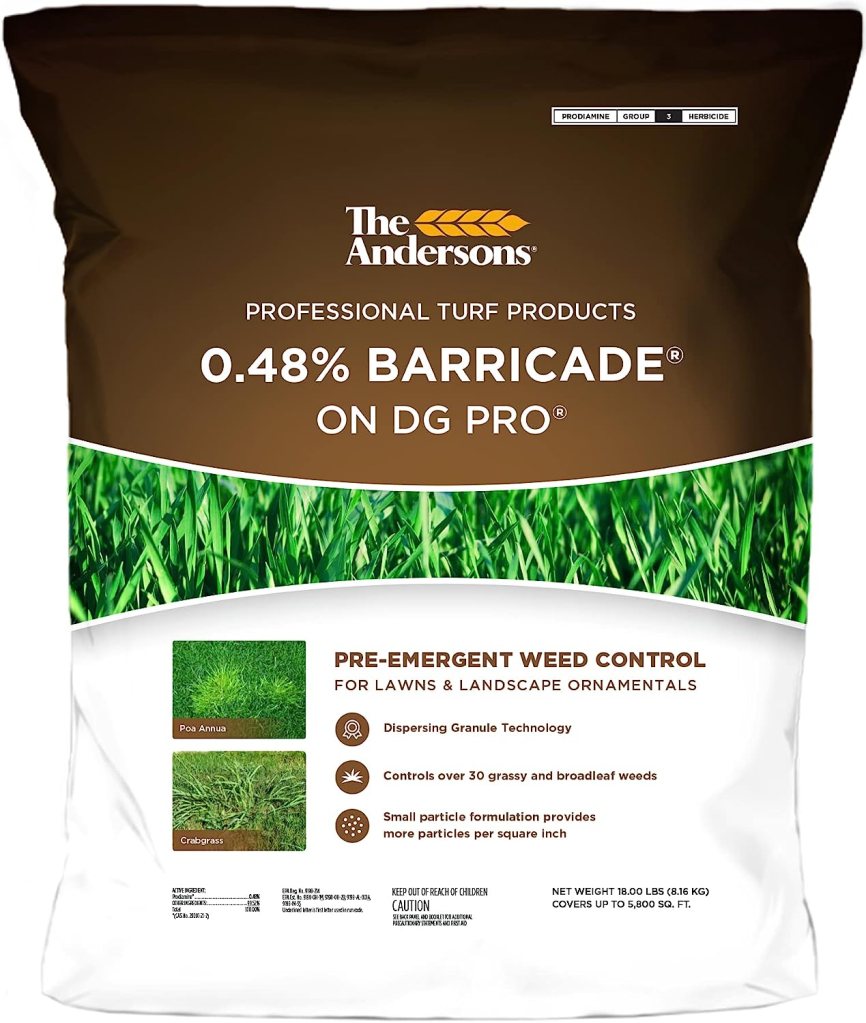
Prevention is key when it comes to weed control. Apply pre-emergent herbicides before weed seeds germinate to create a barrier that prevents their growth. Timing is critical, as these herbicides need to be applied before weed seeds have a chance to sprout.
Post-emergent Herbicides:
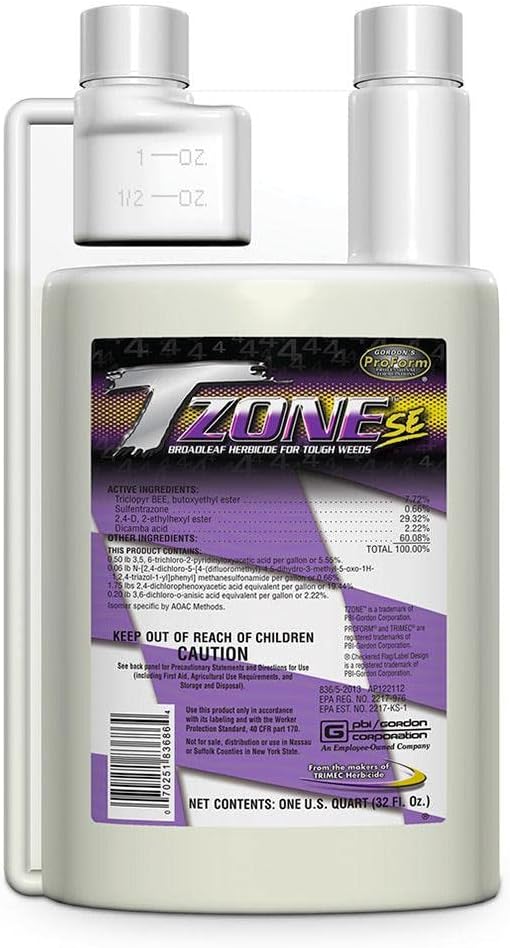
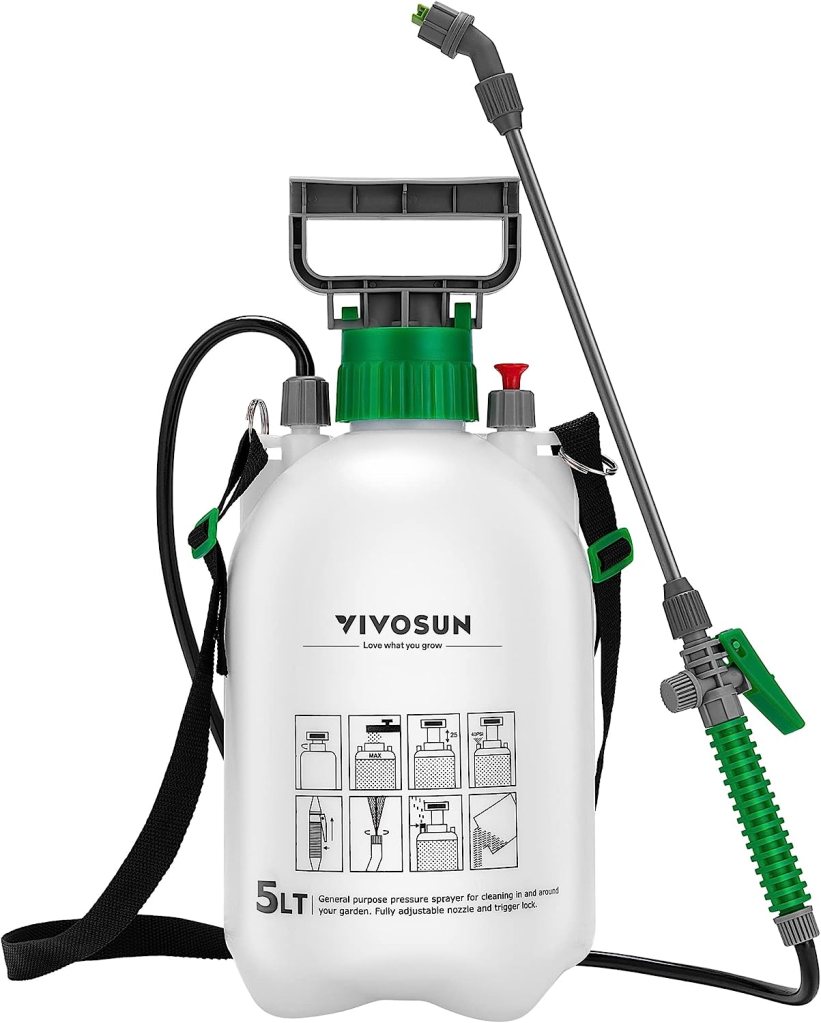
When weeds are already established in your lawn, post-emergent herbicides can be effective in targeting and eliminating them. Selective herbicides target specific types of weeds while sparing the surrounding grass. Read and follow the instructions carefully to ensure proper application and avoid damaging your lawn.
Proper Watering:
Weeds thrive in drought-stressed lawns, so proper watering is crucial. Water deeply and infrequently to encourage deep root growth in your grass. This helps establish a robust lawn that can better compete with weeds for resources.
Aeration and Overseeding:
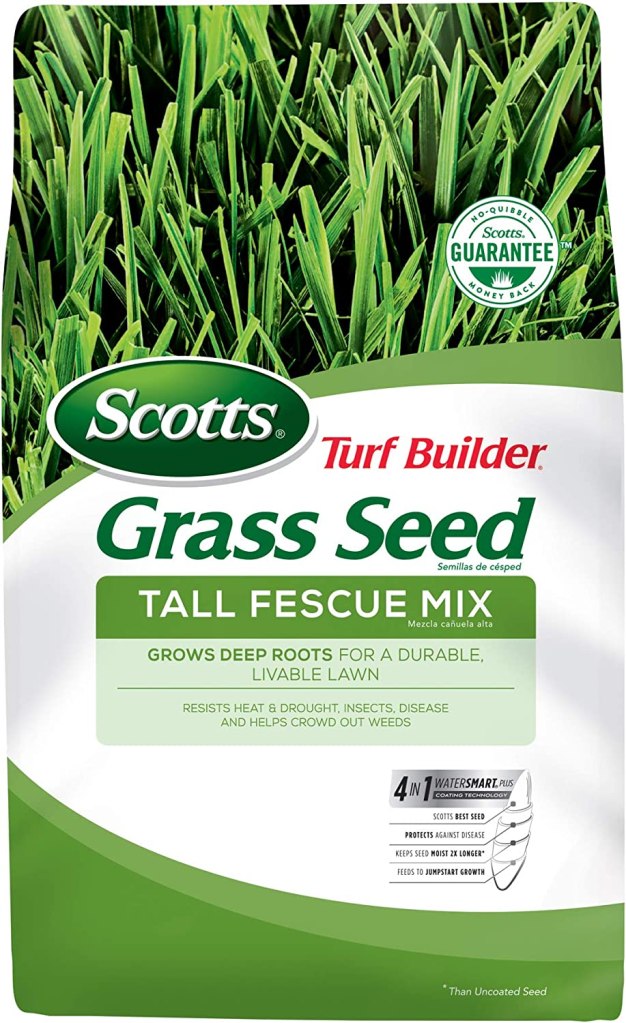
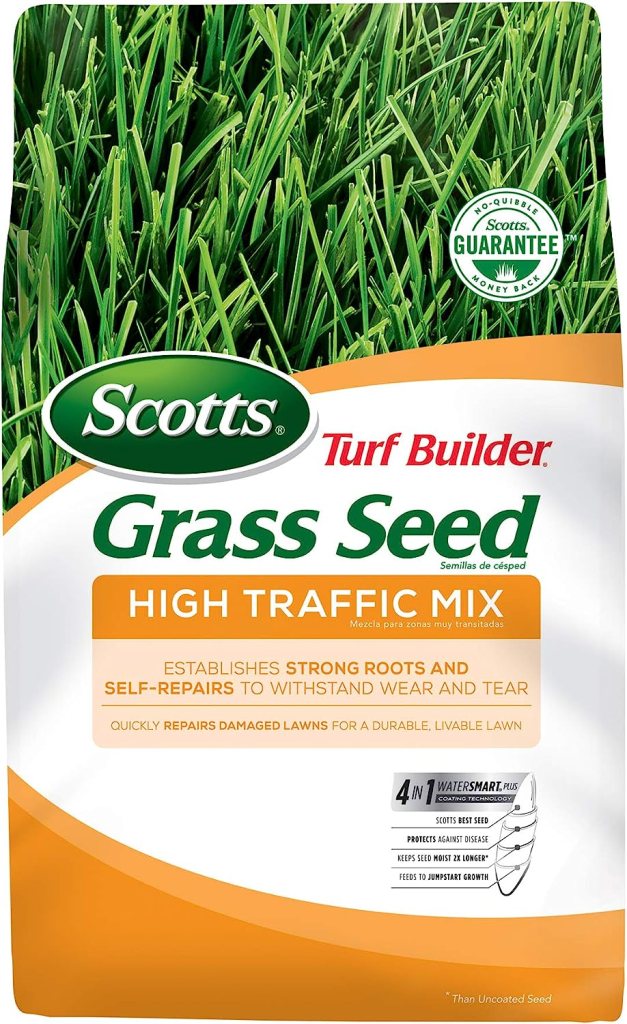
Regular aeration and overseeding can help improve the density of your lawn, reducing the opportunity for weed establishment. Aeration relieves soil compaction and improves the flow of water and nutrients to grass roots, while overseeding introduces new grass varieties that outcompete weeds. Research what type of grass you already have to make sure the new grass will match, make sure it’s the correct grass for your zone, and consider the amount of sun or shade it receives.

Mulching and Landscape Fabric:
In garden beds and areas where grass is not present, using mulch or landscape fabric can help suppress weed growth. These materials act as physical barriers, preventing sunlight from reaching weed seeds and inhibiting their germination.
Proper Lawn Fertilization:
Applying the right type and amount of fertilizer to your lawn at the appropriate times is crucial. Over-fertilization can promote excessive weed growth. Follow a regular fertilization schedule based on your grass type and consult with a professional if needed.
Regular Maintenance and Vigilance:
Consistency is key in weed control. Regularly inspect your lawn for any signs of weed growth, and promptly take action to address them. Stay vigilant, and tackle weeds as soon as they appear to prevent them from spreading and establishing deeper roots.
Conclusion:
Maintaining a weed-free lawn during the summer months requires a combination of proper lawn care practices, targeted weed control methods, and a proactive approach to prevent weed infestations. By implementing the strategies outlined in this article, including identifying and understanding weeds, practicing healthy lawn care, and utilizing selective herbicides, you can effectively combat weeds and restore the health and beauty of your lawn. Remember that consistency and regular maintenance are vital in achieving long-term weed control success. With dedication and a well-executed weed control plan, you can enjoy a thriving, lush lawn throughout the summer season and beyond.
 GOODIE LIVING