
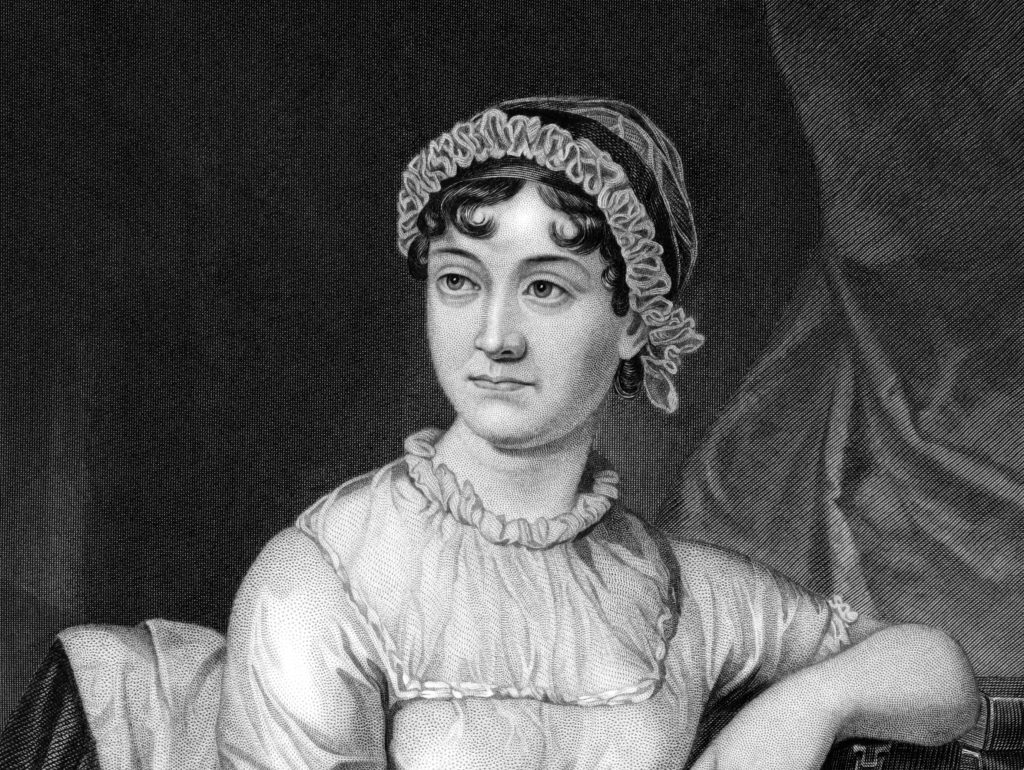
Jane Austen, a celebrated English novelist of the 19th century, left an indelible mark on the literary world through her insightful observations, wit, and keen social commentary. This essay explores the life of Jane Austen, delves into her influential factors, analyzes her unique writing style, and highlights the writers with whom she has been compared.
Early Life and Influences (1775-1800):
Childhood and Family Background:
Jane Austen was born on December 16, 1775, in Steventon, Hampshire, England. She was the seventh child in a family of eight, and her father, Reverend George Austen, was a respected Anglican clergyman. Growing up in a literate and intellectually stimulating environment, Austen was exposed to literature and writing from an early age.
Education and Literary Beginnings:
Austen received a comprehensive education that included reading and discussing a wide range of literature. Her brothers, especially James and Henry, played a significant role in her intellectual development. Austen’s early works, such as “Love and Freindship” and “The History of England,” showcased her wit and comedic style.
“In vain have I struggled. It will not do. My feelings will not be repressed. You must allow me to tell you how ardently I admire and love you.”
JANE AUSTEN, Pride And Prejudice
Austen’s Writing Style (1800-1817):
Literary Realism and Social Commentary:
Austen’s writing style epitomizes literary realism, focusing on everyday life and social dynamics. Her novels dissect the intricacies of society, particularly the lives of the English gentry. Through her sharp wit, irony, and keen observations, Austen offers incisive social commentary on themes such as love, marriage, class, and societal expectations.
Free Indirect Discourse:
Austen employs the narrative technique of free indirect discourse, skillfully blending third-person narration with the internal thoughts and feelings of her characters. This technique enhances the reader’s understanding of the characters’ motivations and emotions, fostering a deeper connection with the story.
Satire and Humor:
Austen’s works are renowned for their satirical elements, targeting societal norms and conventions. Her clever use of irony and humor serves as a vehicle for critiquing the rigid class structure, hypocrisy, and superficiality prevalent in Regency society.
Comparison to Other Writers (1800-1817):
Fanny Burney:
A contemporary writer, Frances Burney, was admired by Austen and exerted some influence on her work. Burney’s novels, such as “Evelina” and “Cecilia,” delved into social criticism and the position of women, topics that resonated with Austen’s own writing.
Samuel Richardson:
Austen’s narrative technique and character development have been compared to those of Samuel Richardson, a prominent 18th-century writer. Richardson’s novel “Pamela” is known for its epistolary form and psychological realism, elements that Austen skillfully incorporated into her own works.
Henry Fielding:
While Austen’s style differs from that of Henry Fielding, his influence can be discerned in her use of comic irony and social satire. Fielding’s novel “Tom Jones” is a classic example of the picaresque tradition, which inspired Austen’s exploration of the foibles of the upper classes.
Legacy and Posthumous Recognition (1817-Present):
Limited Recognition during Austen’s Lifetime:
Austen’s novels, including “Pride and Prejudice,” “Sense and Sensibility,” and “Emma,” garnered moderate success during her lifetime. However, her authorship remained anonymous, and only a select few were aware of her literary talent.
Rising Popularity and Critical Acclaim:
Following Austen’s death in 1817, her novels gained increasing recognition. The publication of her unfinished work “Persuasion” and the reveal of her authorship led to a surge in popularity. In the 20th century, Austen’s works experienced a remarkable resurgence, leading to widespread acclaim and cementing her status as one of the greatest English novelists.
Conclusion
Jane Austen’s life and works exemplify her exceptional literary talent and perceptive understanding of society. Her unique writing style, characterized by realism, social commentary, and astute characterizations, sets her apart as a luminary of the Regency era. Austen’s enduring legacy and comparisons to other writers further highlight her contributions to English literature, making her a cherished figure in literary history.
Books by Jane Austen
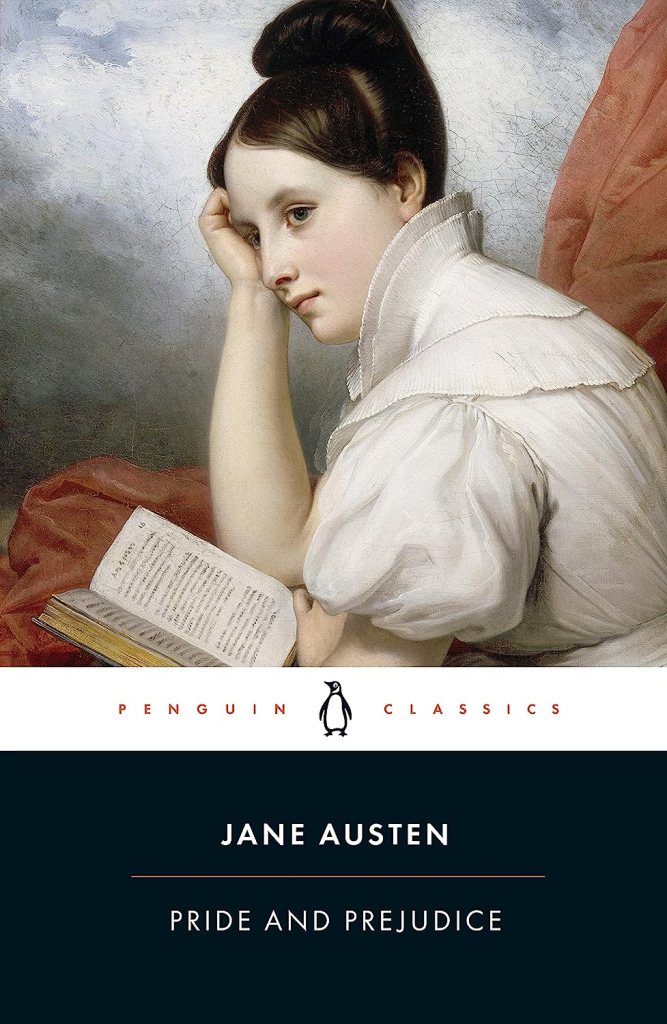
Pride and Prejudice
“Pride and Prejudice” by Jane Austen is a classic 19th-century novel set in rural England during the Regency era. The story revolves around the Bennet family, particularly the headstrong and witty Elizabeth Bennet. As the plot unfolds, readers are immersed in the intricacies of love, marriage, social status, and personal growth.
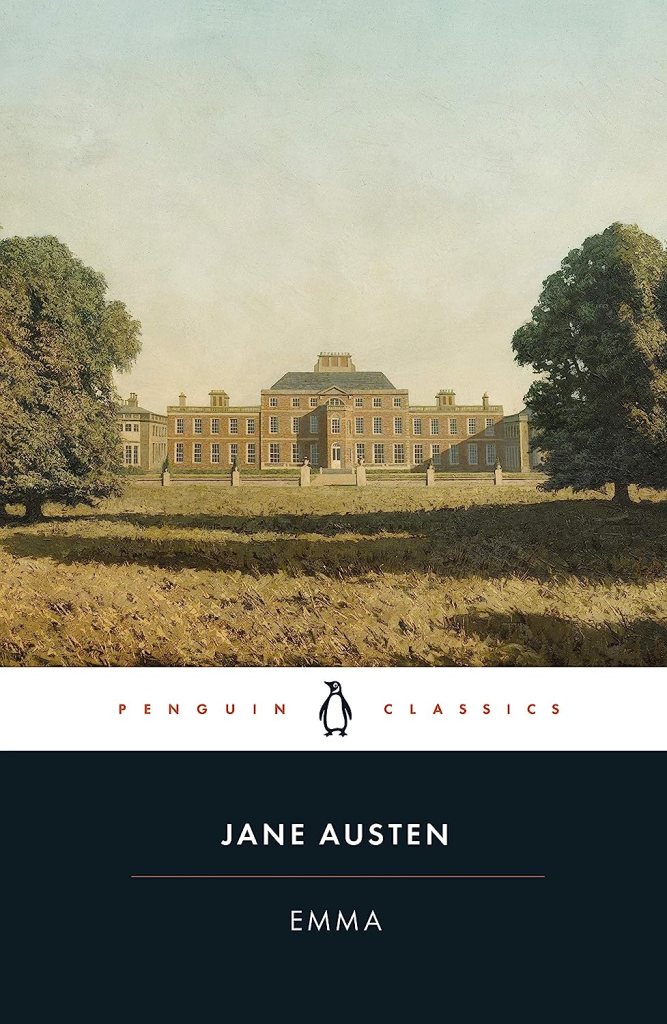
Emma
“Emma” by Jane Austen is a charming and witty novel that follows the misadventures of Emma Woodhouse, a well-meaning but misguided matchmaker in 19th-century England. Through humorous misunderstandings and heartfelt self-discovery, Emma learns valuable lessons about love, friendship, and the consequences of meddling in others’ lives.
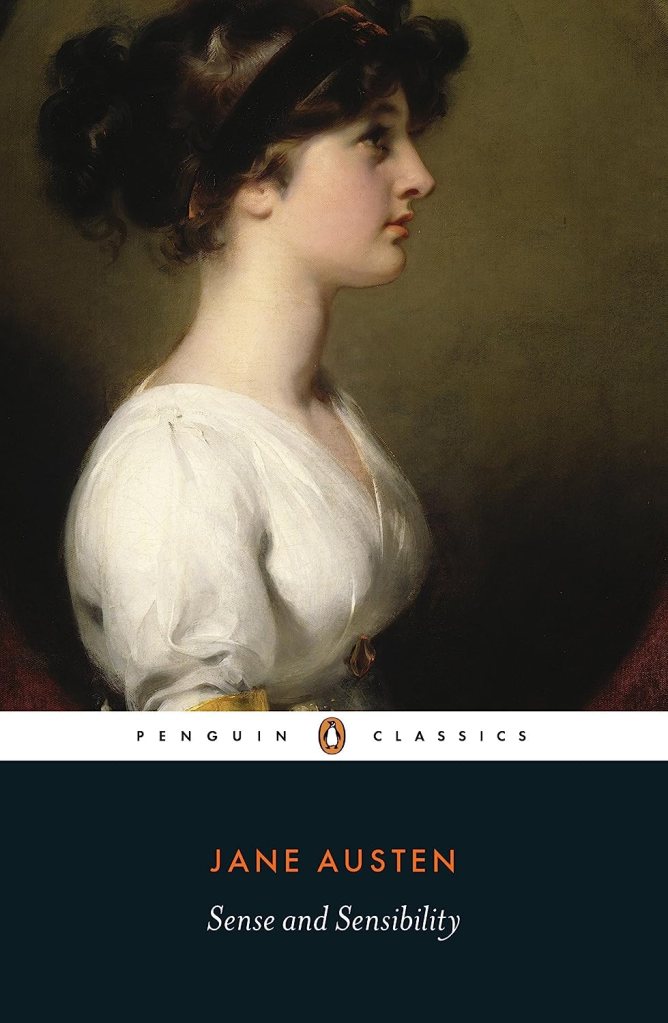
“Sense and Sensibility” by Jane Austen is a captivating novel that explores the lives of two sisters, Elinor and Marianne Dashwood. The story follows their romantic trials and tribulations, contrasting Elinor’s rationality with Marianne’s passionate nature. Through wit and insight, Austen offers a delightful portrayal of love, societal expectations, and the pursuit of happiness.
 GOODIE LIVING