
The American Revolutionary War was a pivotal moment in history, and while it is often associated with the brave efforts of the American colonists, it is important to acknowledge the significant support they received from France. In the late 18th century, France played a vital role in assisting the American colonies in their fight for independence from British rule. This article delves into the ways in which France provided support and contributed to the success of the American Revolution.
Key Figures
- King Louis XVI: As the ruler of France during the American Revolution, Louis XVI authorized and provided significant financial and military support to the American colonies. His decision to support the American cause was influenced by his desire to weaken Britain, France’s long-standing rival.
- Charles Gravier, Comte de Vergennes: Vergennes was the French Minister of Foreign Affairs during the American Revolution. He played a pivotal role in securing France’s support for the American colonies, including negotiating the Treaty of Alliance and providing financial aid.
- Marquis de Lafayette: Lafayette was a French aristocrat who volunteered to fight for the American cause. He became a trusted aide to General George Washington and played a vital role in various battles, including the Battle of Yorktown. Lafayette’s military expertise and strategic advice significantly contributed to the American victory.
- Admiral de Grasse: François Joseph Paul de Grasse was a French naval commander who played a critical role in the American Revolution. He commanded the French fleet that engaged British forces, particularly in the decisive Battle of Yorktown, which led to British General Cornwallis’ surrender.
- Benjamin Franklin: Franklin, an American statesman and diplomat, played a crucial role in securing French support for the American Revolution. As a diplomat in France, he used his wit, charm, and negotiating skills to foster diplomatic alliances and garner French aid.
- Jacques Necker: Necker served as the finance minister of France during the American Revolution. He implemented financial reforms and managed France’s economic resources to provide substantial financial support to the American colonies.
Military Assistance:
One of the most prominent forms of support that France extended to the American colonies was military aid. In 1778, France signed the Treaty of Alliance with the United States, officially recognizing their independence and pledging military support. This alliance brought significant advantages to the American forces, as the French navy was one of the most formidable in the world at the time. French naval fleets, led by skilled commanders such as Admiral de Grasse, engaged British forces in crucial battles, including the decisive Battle of Yorktown in 1781, where British General Cornwallis surrendered, effectively ending the war. France’s naval supremacy and military expertise were instrumental in turning the tide in favor of the American revolutionaries.
May 2, 1778, Treaty of Alliance: France and the United States sign the Treaty of Alliance, officially recognizing American independence and pledging military support.
September 28, 1781, Battle of Yorktown: French naval fleets, commanded by Admiral de Grasse, engage British forces in decisive battles, including the Battle of Yorktown in 1781.
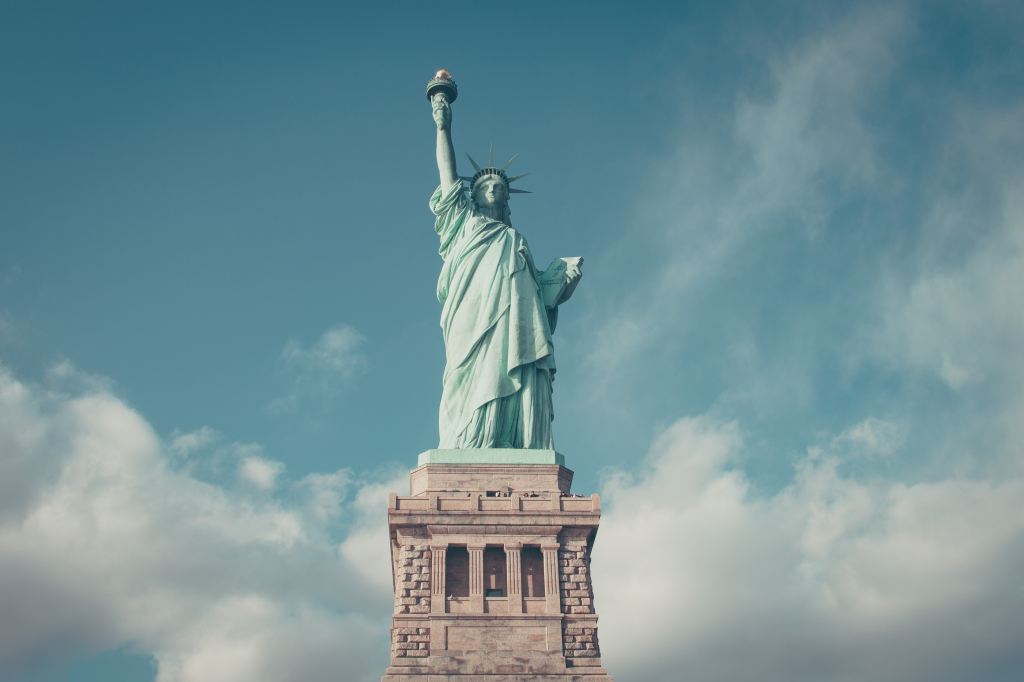
October 28, 1886, France gifted the Statue of Liberty to America. The statue, representing liberty and freedom, was completed in France in 1884 and disassembled for shipment to the United States. It arrived in New York Harbor in June 1885 and was reassembled on Bedloe’s Island (now Liberty Island) in New York City.
Military Assistance:
One of the most prominent forms of support that France extended to the American colonies was military aid. In 1778, France signed the Treaty of Alliance with the United States, officially recognizing their independence and pledging military support. This alliance brought significant advantages to the American forces, as the French navy was one of the most formidable in the world at the time. French naval fleets, led by skilled commanders such as Admiral de Grasse, engaged British forces in crucial battles, including the decisive Battle of Yorktown in 1781, where British General Cornwallis surrendered, effectively ending the war. France’s naval supremacy and military expertise were instrumental in turning the tide in favor of the American revolutionaries.
Financial Support:
- France provides significant financial assistance to the American colonies, helping to sustain their war effort.
- French diplomat Charles Gravier, the Comte de Vergennes, plays a key role in securing financial aid from France.
France also provided substantial financial assistance to the American cause. The cost of waging a war against the powerful British Empire was a daunting challenge for the fledgling American nation. Recognizing this, the French monarchy, under King Louis XVI, generously provided funds, loans, and supplies to the Americans. Notably, French diplomat and statesman, Charles Gravier, the Comte de Vergennes, played a key role in securing financial aid from France. The financial support from France not only helped sustain the American troops but also enabled the Continental Congress to maintain diplomatic relations, procure essential supplies, and keep their war effort alive.
Strategic Collaboration:
- French military experts, including the Marquis de Lafayette, volunteer their services to the American army, providing leadership and expertise.
- Lafayette becomes a trusted advisor to General George Washington.
In addition to military and financial assistance, France engaged in strategic collaboration with the American revolutionaries. French military experts, including the Marquis de Lafayette, volunteered their services to the American army, bringing valuable expertise and leadership to the cause. Lafayette played a pivotal role in various battles and became a trusted advisor to General George Washington, further strengthening the ties between France and America. The strategic collaboration between the two nations extended beyond military affairs, as French diplomats, such as Benjamin Franklin, skillfully negotiated political alliances and diplomatic support for the American cause in European courts.
Inspiration and Ideological Influence:
- The ideals of the American Revolution inspire French intellectuals and serve as a catalyst for the French Revolution in 1789.
The ideals of the American Revolution resonated deeply with the Enlightenment philosophies that were flourishing in France during the 18th century. The ideas of liberty, equality, and individual rights championed by the American revolutionaries served as inspiration for French intellectuals, who sought similar reforms in their own country. The success of the American Revolution thus fueled the flames of revolution in France, ultimately leading to the French Revolution in 1789.
The American Revolutionary War would not have achieved its success without the invaluable support provided by France. Through military aid, financial assistance, strategic collaboration, and ideological inspiration, France played a crucial role in ensuring the American colonies’ victory over the British Empire. The alliance between France and America during this period not only impacted the outcome of the American Revolution but also had far-reaching consequences for global history, inspiring future movements and revolutions. The bond forged between France and America during this time remains an enduring symbol of international cooperation and the pursuit of freedom.
France gifted the Statue of Liberty to America on October 28, 1886
The story behind France gifting the Statue of Liberty to America dates back to the late 19th century. The statue, officially titled “Liberty Enlightening the World,” was designed by French sculptor Frédéric Auguste Bartholdi and its framework was engineered by Gustave Eiffel.
The idea for the statue was conceived as a symbol of friendship between France and the United States, commemorating America’s centennial of independence. The French people funded the statue’s construction, while the Americans were responsible for building the pedestal on which it stands.
The statue, representing liberty and freedom, was completed in France in 1884 and disassembled for shipment to the United States. It arrived in New York Harbor in June 1885 and was reassembled on Bedloe’s Island (now Liberty Island) in New York City.
On October 28, 1886, the Statue of Liberty was officially unveiled in a grand ceremony attended by dignitaries from both France and the United States. The event celebrated the enduring values of liberty, democracy, and the bond between the two nations.
Since then, the Statue of Liberty has become an iconic symbol of America, welcoming immigrants and standing as a beacon of hope and freedom for people from around the world. It serves as a testament to the longstanding friendship and shared values between France and the United States.
Read more about France’s Independence Day, Bastille Day.
If you enjoy all things French, check out our curated Francophile Gift Guide.
 GOODIE LIVING