

Bastille Day, also known as French National Day, is a significant holiday celebrated in France and around the world on July 14th each year. This day commemorates the historic event known as the Storming of the Bastille, which occurred on July 14, 1789. It marks a pivotal moment in the French Revolution and symbolizes the fight for liberty, equality, and fraternity. In this essay, we will delve into the history, significance, and traditions associated with Bastille Day.
The French Revolution: Seeds of Change (1789-1799)
The French Revolution (1789-1799) was fueled by political, social, and economic factors. The monarchy’s unpopularity and failure to address grievances, along with social inequality between the nobility and commoners, caused widespread discontent. France’s faltering economy, massive debt, poverty, and food shortages heightened tensions. Influenced by Enlightenment ideas, the revolution questioned authority and fought for rights and equality. It brought profound social and political changes, ending the monarchy and inspiring global movements for change.
1778
May 2: France and the United States sign the Treaty of Alliance, solidifying French support for the American Revolution against Britain.
June 16: Louis XVI convenes the Assembly of Notables, a group of nobles and clergy, to discuss financial reforms and tax restructuring.
July 4: Voltaire, one of the Enlightenment’s leading philosophers, dies in Paris.
July 6: France declares war on Britain, officially entering the American Revolutionary War.
1779
February 13: The Treaty of Paris is signed, formally ending the American Revolutionary War.
May 2: The Estates General is convened at Versailles, marking a major step toward political change in France.
June 8: The Third Estate, representing the commoners, declares itself the National Assembly.
June 20: Members of the Third Estate take the Tennis Court Oath, pledging not to disband until a new constitution is established.
July 11: Necker, the finance minister, is dismissed, leading to public outrage and protests in Paris.
July 14: The Storming of the Bastille takes place, a symbolic act of rebellion against the monarchy.
July 17: The National Assembly establishes the National Guard to maintain order and protect the revolution.
August 4: The National Assembly abolishes feudalism, granting equal rights to all citizens.
October 1: The National Assembly adopts the Declaration of the Rights of Man and of the Citizen, outlining fundamental rights and liberties.
December 19: Louis XVI summons troops to Versailles, triggering fears among the people that the monarchy plans to suppress the revolution.
Social Inequality
One of the main catalysts was widespread discontent among the French population due to social inequality and the oppressive rule of the monarchy. The majority of the population, including the bourgeoisie and the peasantry, faced heavy taxation, food shortages, and economic hardship while the nobility and clergy enjoyed privileges and exemptions. This stark social divide fueled resentment and a desire for change.
Financial Crisis in France
Another significant factor was the financial crisis faced by the French government. Years of wars, extravagant court spending, and a flawed taxation system had left the state treasury depleted. Attempts to introduce fiscal reforms led to resistance from the privileged classes, further exacerbating the crisis and creating a sense of urgency for change.
Enlightenment Era
Intellectual and philosophical movements of the Enlightenment era also played a role in shaping the revolutionary sentiment. Ideas of liberty, equality, and individual rights spread throughout French society, challenging traditional notions of absolute monarchy and feudalism.
Representative Assembly
The immediate trigger for the revolution was the convening of the Estates-General in 1789, a representative assembly meant to address the financial crisis. However, disagreements between the estates (the clergy, nobility, and commoners) over voting rights and the call for a constitutional monarchy instead of absolute rule led to the formation of the National Assembly. This marked a shift in power away from the monarchy and towards the people.
Key Moments
As the revolution unfolded, political factions emerged, including the radical Jacobins who gained influence during the Reign of Terror. The revolution witnessed significant events such as the storming of the Bastille, the adoption of the Declaration of the Rights of Man and of the Citizen, the execution of King Louis XVI and Queen Marie Antoinette, and the rise of Maximilien Robespierre.
Ultimately, the French Revolution led to profound political and social transformations, ending the monarchy and establishing the First French Republic. It had far-reaching consequences not only within France but also across Europe, shaping the course of history and inspiring future revolutionary movements.
Key Figures
The Storming of the Bastille was driven by a collective effort of many individuals rather than a few specific heroes. However, there are several key figures who played notable roles and are often remembered in connection with the event:
- The Revolutionary Crowd: The general populace of Paris who took part in the storming of the Bastille are collectively recognized for their bravery and determination. They were motivated by their grievances against the monarchy and their desire for political change.
- Camille Desmoulins: A journalist and revolutionary, Desmoulins delivered a passionate speech at the Palais-Royal that helped mobilize the crowds and sparked the initial unrest that led to the storming of the Bastille.
- Marquis de Launay: As the commander of the Bastille, de Launay found himself in a difficult position when confronted by the revolutionary crowd. Despite being offered safe passage, he eventually surrendered but was killed by the crowd in the aftermath of the storming.
- Bernard-René de Launay: The brother of Marquis de Launay, Bernard-René also played a role in the defense of the Bastille. He was captured by the crowd and executed.
- Georges Jacques Danton: A prominent figure in the French Revolution, Danton was not present during the storming of the Bastille but was later involved in the revolutionary government. He became known for his oratory skills and played a significant role in the early stages of the revolution.
Marie Antoinette
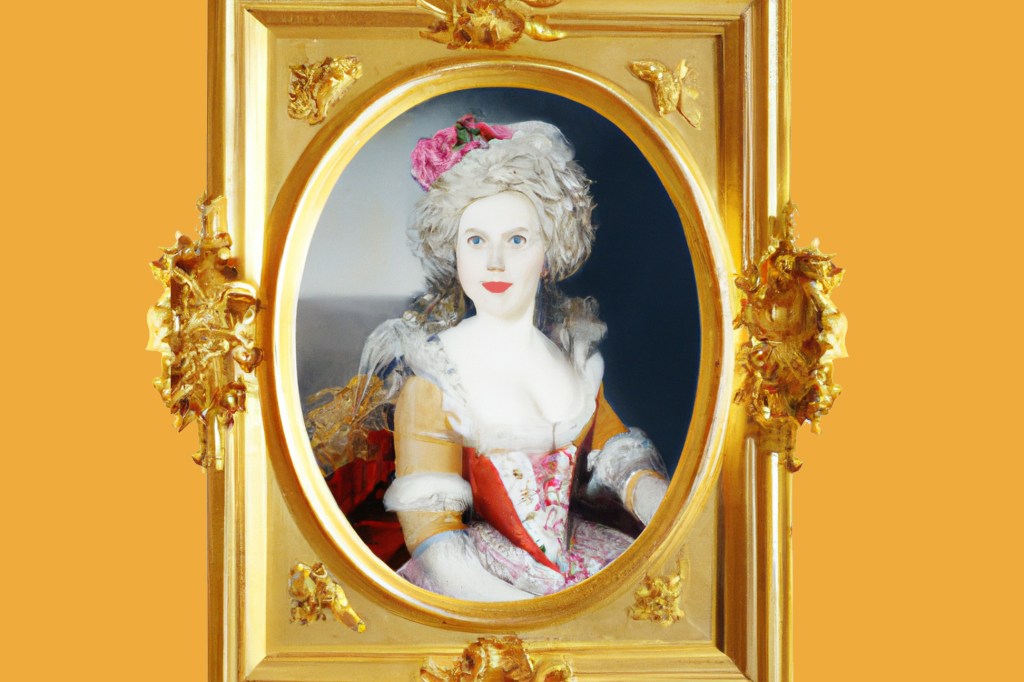
Marie Antoinette, the Queen of France at the time, was not directly involved in the events of Bastille Day. The Storming of the Bastille occurred on July 14, 1789, during the early stages of the French Revolution. Marie Antoinette, being a member of the royal family and residing in the Palace of Versailles, was not present in Paris during the uprising.
However, Marie Antoinette’s actions and perceived extravagance played a significant role in shaping public opinion against the monarchy. She became a symbol of the perceived excesses and disregard for the suffering of the French people, which contributed to the growing discontent and revolutionary sentiments. Her famous quote “Let them eat cake” (although often attributed to her, its actual origin is unclear) became a symbol of the detachment and perceived callousness of the ruling elite.
Ultimately, Marie Antoinette’s association with the monarchy and her lifestyle contributed to the resentment felt by the revolutionaries. While she was not directly involved in the events of Bastille Day, her influence and reputation were intertwined with the broader context of the French Revolution.
The Birth of “Bastille Day”
The storming of the Bastille on July 14, 1789, not only freed political prisoners but also ignited a spirit of revolution throughout France. Today, Bastille Day has evolved into a grand celebration of French culture, unity, and national pride. Festivities include military parades, spectacular fireworks displays, music concerts, and vibrant street parties throughout the country. It serves as a reminder of France’s commitment to liberty, equality, and fraternity, while also reflecting the country’s cultural diversity and artistic heritage. Bastille Day is a vibrant and joyous occasion that embraces the spirit of modern France.
Bastille Day Beyond France
Bastille Day is celebrated in numerous locations around the world, showcasing the global reach of French culture and its significance. Some of the prominent cities where Bastille Day is commemorated outside of France include New York City, London, Montreal, Sydney, Buenos Aires, and Johannesburg.
To mark the occasion, various activities and events are organized. These may include grand parades featuring French-inspired floats, marching bands, and traditional costumes. Spectators line the streets, waving French flags and cheering along with the procession. Cultural festivals are held, offering a taste of French cuisine, music, dance, and art. Fireworks displays illuminate the night sky, creating a mesmerizing spectacle. Additionally, educational exhibitions and lectures may be organized to explore the historical and cultural significance of the French Revolution and its impact on modern society.
Bastille Day is a vibrant and significant celebration that embodies the spirit of the French Revolution and the values it brought forth. It serves as a reminder of the enduring principles of liberty, equality, and fraternity, and the ongoing pursuit of these ideals. Whether in France or around the world, Bastille Day represents a shared commitment to freedom and unity, showcasing the power of a historical event that continues to inspire and resonate with people today.
Join in the festivities of Bastille Day this year and explore our curated Francophile Gift Guide.
 GOODIE LIVING