
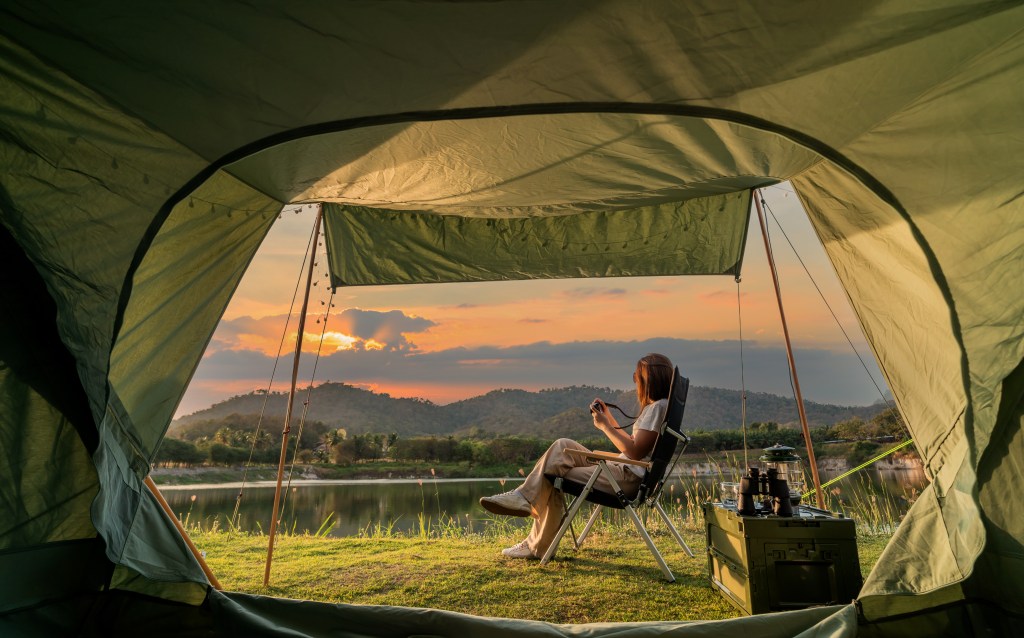
Camping offers a wonderful opportunity to disconnect from the daily grind and reconnect with nature. Whether you’re a novice or an experienced camper, a well-planned trip is essential for a successful and enjoyable outdoor adventure. In this comprehensive guide, we will walk you through the steps of how to go camping, from choosing a campground to packing essential gear. So, grab your tent, let’s dive into the world of camping!
- Step 1: Choosing a Campground
- Step 2: Essential Gear
- Step 3: Meal Planning and Food
- Step 4: Setting Up Camp
- Step 5: Safety and Leave No Trace Principles
- Step 6: Enjoying Outdoor Activities
- Conclusion:
Step 1: Choosing a Campground
The first step in planning your camping trip is to choose a suitable campground. Research options based on location, facilities, and amenities that match your preferences. National parks, state parks, and private campgrounds are popular choices. Consider factors like accessibility, available activities (hiking, fishing, etc.), and the level of solitude you desire. Check for any reservation requirements and make sure to book your campsite in advance, especially during peak seasons.
Step 2: Essential Gear
Having the right gear is crucial for a successful camping experience. Start with the basics, including a tent, sleeping bags, camping stove, cooking utensils, and a cooler. Don’t forget to pack lighting sources such as lanterns and flashlights. Bring appropriate clothing for varying weather conditions, sturdy footwear, and insect repellent. If you plan to hike, invest in a comfortable backpack and navigation tools like a map and compass. It’s essential to have a first aid kit and some basic tools for emergencies. Make a checklist to ensure you have all the necessary gear before heading out. See our Camping Gear Essentials.
Step 3: Meal Planning and Food
Meal planning is an integral part of camping. Consider easy-to-prepare and nutritious meals that require minimal cooking. Pack non-perishable items like canned foods, granola bars, and trail mix. Fresh fruits and vegetables can be stored in a cooler. Opt for pre-made meals or prepare ingredients ahead of time to save cooking time at the campsite. Don’t forget to bring water or a water filtration system to ensure a safe drinking supply. Make sure to pack enough food for the duration of your trip.
Step 4: Setting Up Camp
Once you arrive at the campground, find a suitable spot to set up your tent. Look for level ground, away from hazards like dead trees or low-lying areas prone to flooding. Clear the area of any rocks or debris. Follow the instructions provided with your tent to set it up properly. Place a tarp or groundsheet under the tent to protect it from moisture. Organize your camping area, setting up a cooking station and a designated area for relaxation. Be mindful of any specific campground rules and regulations.
Step 5: Safety and Leave No Trace Principles
Safety should always be a priority when camping. Familiarize yourself with the local wildlife and any potential hazards. Keep a safe distance from wild animals and store food properly to prevent encounters. Follow Leave No Trace principles, which include leaving the campsite as you found it, disposing of waste properly, and respecting wildlife and vegetation. Minimize your impact on the environment and respect other campers’ peace and privacy.
Step 6: Enjoying Outdoor Activities
Camping offers an array of outdoor activities to enjoy. Take advantage of hiking trails, swimming spots, fishing areas, or simply relaxing in nature. Research and plan activities in advance to make the most of your time. Carry necessary equipment for each activity, such as fishing gear, swimsuits, and hiking boots. Be aware of any safety guidelines or restrictions for specific activities.
Conclusion:
Camping is a fantastic way to immerse yourself in the beauty of nature and create lasting memories. By following these guidelines on how to go camping, you can ensure a well-prepared and enjoyable outdoor experience. So pack your gear, embrace the wilderness, and embark on an adventure to remember. Happy camping!
Check out our camping shopping guide with all the tools you need for a successful camping trip.
 GOODIE LIVING