

Ernest Hemingway, one of the most renowned American writers of the 20th century, left an indelible mark on literature with his distinct prose style and exploration of themes such as war, masculinity, and existentialism. Hemingway’s concise and straightforward writing style, characterized by short sentences and precise language, revolutionized modern fiction. Works like “The Old Man and the Sea” and “A Farewell to Arms” captured the disillusionment of the post-World War I era, reflecting Hemingway’s own experiences as an ambulance driver during the war. His minimalist approach to storytelling stood in contrast to the ornate and elaborate prose prevalent in earlier literary traditions.
Ernest Hemingway’s Contemporaries: Fitzgerald, Faulkner, and Steinbeck
Hemingway’s contemporaries included F. Scott Fitzgerald, William Faulkner, and John Steinbeck, among others. While Fitzgerald’s writing showcased the excesses and decadence of the Roaring Twenties in novels like “The Great Gatsby,” Hemingway focused on the stoic endurance and resilience of his characters in the face of adversity. Faulkner, on the other hand, employed intricate narratives and experimental storytelling techniques to explore themes of Southern history and the complexities of the human condition. Steinbeck depicted the struggles of the working class and the harsh realities of the Great Depression in his works.
“But man is not made for defeat,” he said. “A man can be destroyed but not defeated.”
Ernest hemingway
Setting Hemingway Apart: The Minimalist Approach to Storytelling
Hemingway’s writing style set him apart from his contemporaries. He believed in omitting unnecessary details and focusing on the “iceberg theory,” where much of the story’s depth and meaning lies beneath the surface. His spare prose and strong use of dialogue created a sense of immediacy and emotional impact. Hemingway’s emphasis on action and his ability to convey complex emotions through simple and precise language captured the attention of readers and fellow writers alike.
Ernest Hemingway’s Influence on Literature and Future Generations
The importance of Hemingway’s work lies not only in his literary contributions but also in his influence on subsequent generations of writers. His minimalist style and focus on the human condition inspired a new wave of writers who sought to strip away excess and explore the core of human experience. Hemingway’s impact can be seen in the works of authors such as Cormac McCarthy and Raymond Carver, who adopted his stylistic approach and exploration of existential themes.
“Every day is a new day. It is better to be lucky. But I would rather be exact. Then when luck comes you are ready.”
ernest hemingway
Conclusion:
In conclusion, Ernest Hemingway’s significance as an American writer of the 20th century cannot be overstated. His unique prose style and exploration of themes of war, masculinity, and existentialism set him apart from his contemporaries. Hemingway’s influence on literature continues to resonate today, as his minimalist approach and focus on the human condition inspire and challenge writers to convey profound meaning through simplicity.
Books by Ernest Hemingway
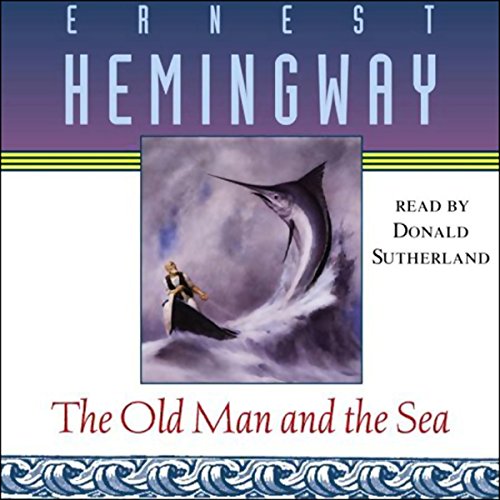
The Old Man and the Sea
“The Old Man and the Sea” is a timeless Hemingway masterpiece, depicting the Cuban fisherman’s epic struggle against a colossal marlin. Hemingway’s simple yet powerful prose showcases courage and personal triumph amidst adversity, solidifying his literary prowess and Nobel Prize win.
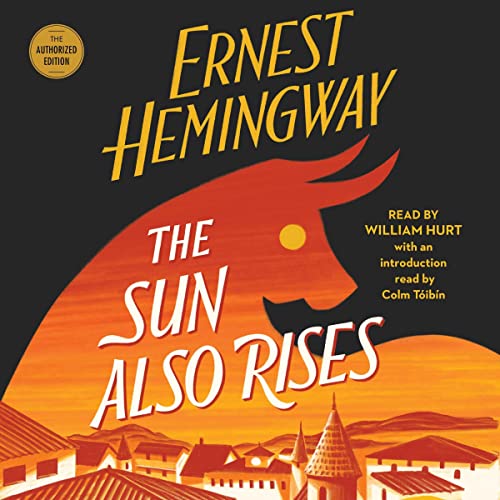
The Sun Also Rises
Ernest Hemingway’s novel depicts post-World War I disillusionment through unforgettable characters, Jake Barnes and Lady Brett Ashley. From 1920s Paris nightlife to Spain’s bullfighting arenas, their journey with expatriates explores moral bankruptcy, spiritual decay, unrequited love, and fading illusions.
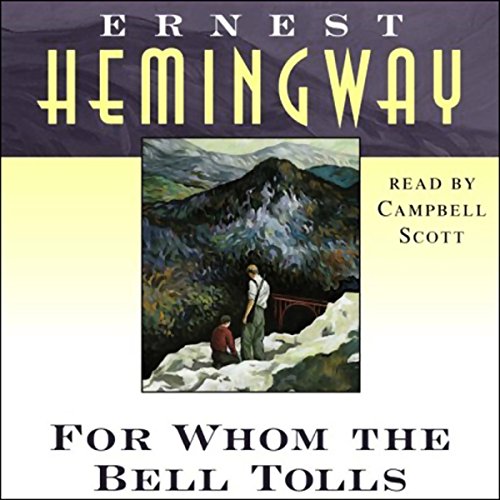
For Whom the Bell Tolls
Ernest Hemingway’s powerful masterpiece explores war, love, and loyalty in the Spanish Civil War. For Whom the Bell Tolls remains a classic of war literature, capturing the tragic death of an ideal.
 GOODIE LIVING